The increase comes as the autumn Budget approaches, with retailers reporting different levels of sales growth across the grocery market. While promotional spending has climbed, some seasonal products have become cheaper, offering limited relief to households preparing for Halloween and Christmas.
Grocery Inflation Rises As Households Spend More on Promotions
According to Worldpanel by Numerator, grocery price inflation reached 2.5% in the four weeks to 4 October, compared with 2.3% in the previous four-week period. Take-home grocery sales increased by 1.0% year on year during the same period.
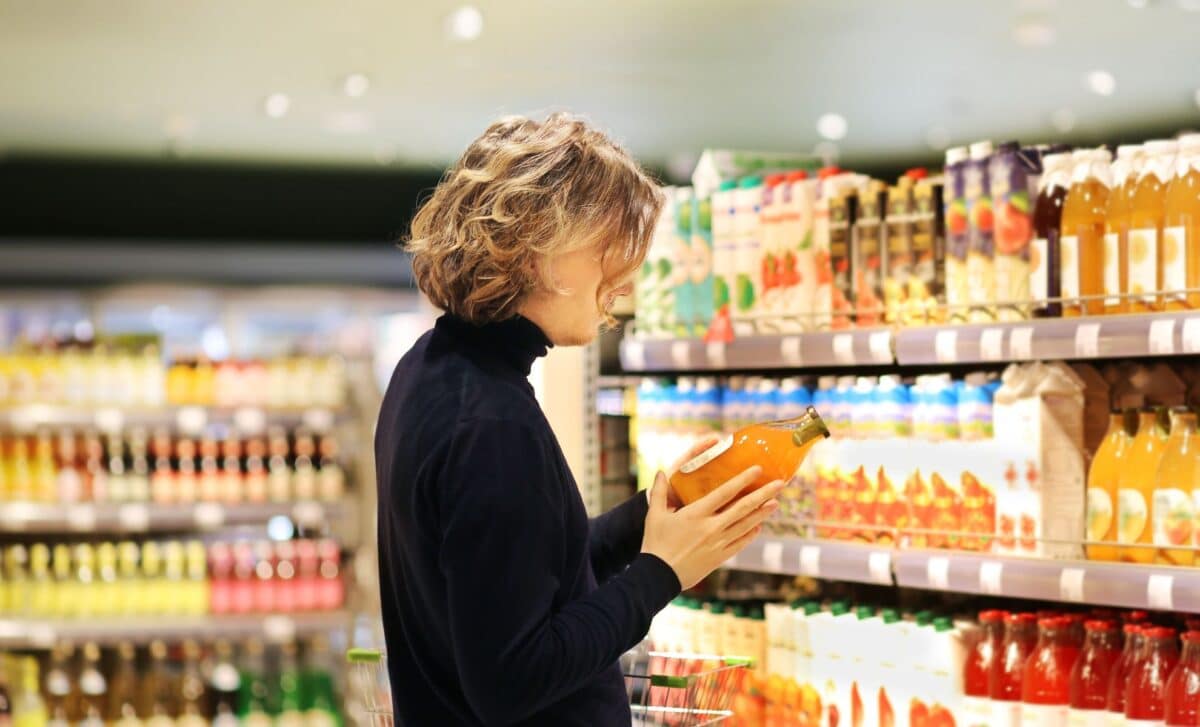
Spending on promotional offers rose by more than £250 million compared with a year earlier. Special offers remain a popular way for households to control grocery bills, while also making more expensive products and larger packs more affordable.
Fraser McKevitt, head of retail and consumer insight at Worldpanel, said the approaching autumn Budget was contributing to uncertainty among consumers already facing pressure on their finances.
“With the autumn Budget fast approaching, the cost of living continues to weigh heavily on the minds of shoppers. And the cost of filling up a car is only adding to the pressure on household budgets,” he said.
Worldpanel’s research found that more than half of consumers were very or extremely worried about petrol prices. Almost one in three said fuel costs were already having a significant effect on their finances.
McKevitt said shoppers were expected to remain cautious until the chancellor announced his plans, with promotional offers continuing to influence purchasing decisions. There was some relief in seasonal shopping. Chocolate confectionery prices were 3% lower than a year earlier, although the decline has not fully reversed the double-digit increases recorded in 2025.
Around 1.2 million households purchased pumpkins during the latest four weeks, 10% more than during the corresponding period last year. More than 250,000 households also bought pumpkin spice coffee.
Lidl Gains Market Share While Ocado and M&S Record Strong Sales
The latest supermarket figures also revealed differences in performance among Britain’s leading grocery retailers. According to The Independent, Lidl recorded the largest market share gains over the 12 weeks to 4 October, reaching 8.6%. Its sales increased by 7.1%, supported by purchases of fruit, vegetables and wine. Online retailer Ocado reported sales growth of 12.4%, comfortably exceeding the wider online grocery market’s 5.5% increase.
Tesco remained Britain’s largest supermarket, holding a 27.8% market share, while Sainsbury’s accounted for 15.2%. Their respective sales increased by 1% and 1.3%. Asda held 11.5% of the grocery market, while Aldi accounted for 10.5%, with the latter recording annual sales growth of 0.4%.
Figures reported by Alliance News showed that Morrisons’ sales increased by 1.8%, with its market share standing at 8.3%. Waitrose recorded sales growth of 2.3%, while Co-op sales rose by 1.8%. Outside the main supermarket rankings, Marks & Spencer reported a 14.9% increase in grocery sales.
Seasonal purchasing patterns were also changing. Hot chocolate purchases rose by 41% in September compared with August, while soup purchases increased by 35%, as temperatures cooled. These figures accompany a renewed rise in grocery inflation, with promotional spending remaining a prominent feature of household shopping ahead of the autumn Budget.