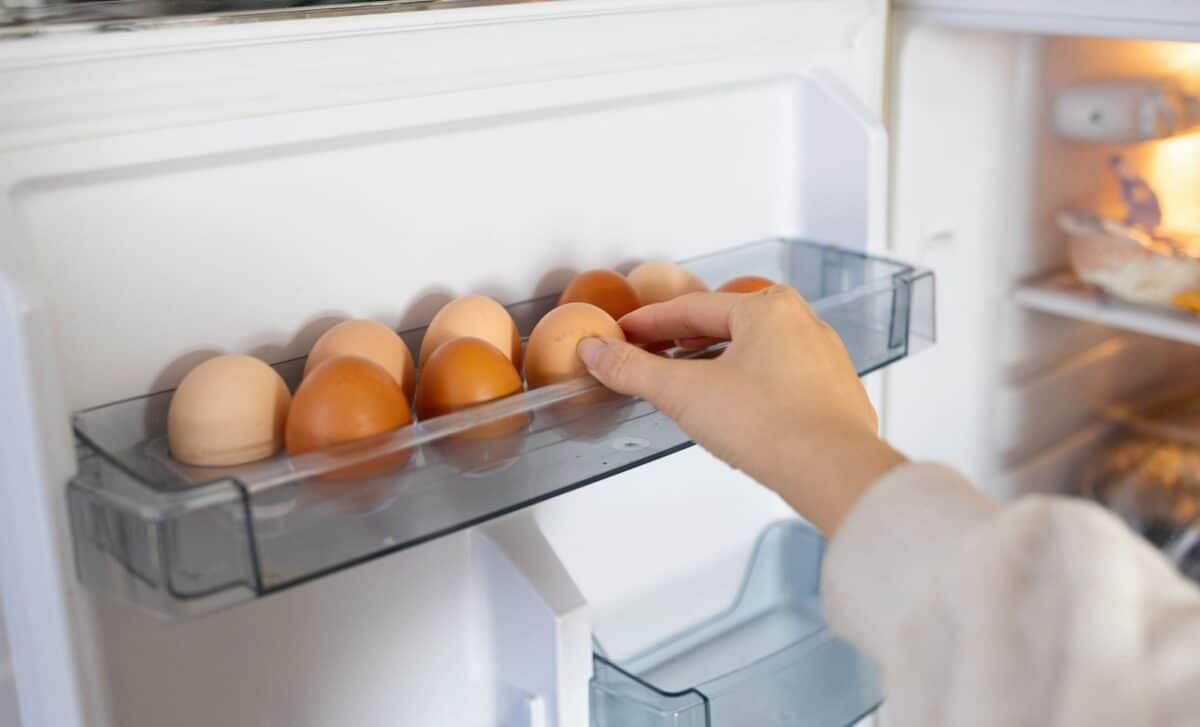
The affected eggs were supplied by Yasensvit Ltd, based in Kyiv, and may have reached catering businesses and smaller retailers across the UK. Food Standards Scotland (FSS) and the Food Standards Agency (FSA) issued the alert on 10 October 2026, advising anyone in possession of the products to dispose of them.
How To Identify the Ukrainian Eggs Affected by the Salmonella Warning
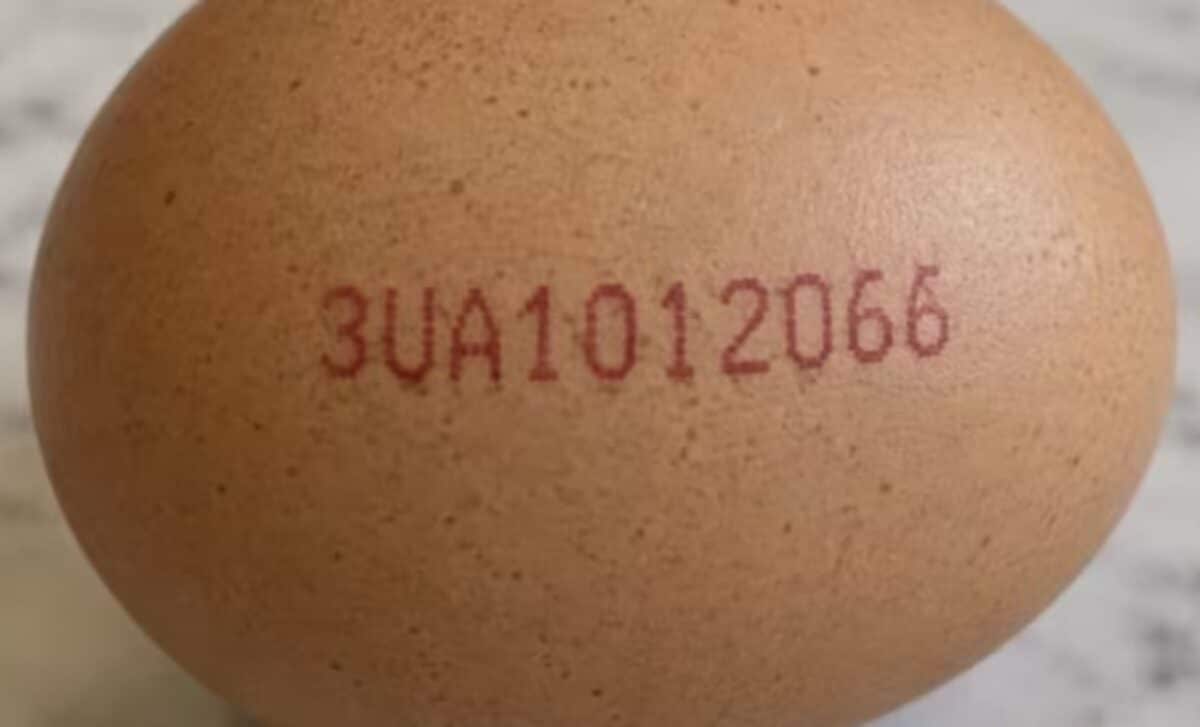
According to Food Standards Scotland, the affected eggs carry the code 3UA1012066, printed directly onto their shells. The warning applies to all pack sizes and best-before dates associated with that identification number.
The producer is Yasensvit Ltd, Kyiv, Ukraine, with the approval code a-UA-10-12-06-X-PC, PP. Consumers are advised to examine individual eggs rather than relying solely on the information displayed on cartons.
This distinction matters because some eggs may have been repacked by businesses in the UK. As a result, the outer packaging could display different company names or packing centre details, making the shell stamp the most reliable means of identification.
Most affected eggs are believed to have entered the catering supply chain, although some may also have been sold through independent retailers and convenience stores. Authorities have confirmed that the products were not distributed through major supermarket chains.
According to the British Free Range Egg Producers Association, the FSA issued a Food Alert for Action, reference FSA-FAFA-03-2026, requiring the withdrawal and recall of affected eggs.
Businesses holding eggs marked 3UA1012066 must immediately stop using or selling them and remove remaining stock from sale. Where affected products have already been sold directly to consumers, businesses must arrange a recall.
The eggs must be disposed of safely and must not be redirected into further food processing. Local enforcement authorities are working with food businesses to ensure the necessary withdrawals and recalls are carried out.
What the Salmonella Findings Mean for Consumers and Food Safety
The UK Health Security Agency (UKHSA) identified Salmonella Enteritidis in egg samples and conducted whole-genome sequencing to examine the bacterial strain. According to The Independent, the sequencing results showed that the strain did not match those associated with the Salmonella outbreaks currently under investigation.
Salmonella infection can cause fever, diarrhoea and abdominal cramps. Symptoms generally resolve without medical treatment after a few days, although infections can occasionally lead to more serious complications, including sepsis. The NHS also identifies nausea, vomiting and a general feeling of being unwell among possible symptoms of food poisoning. These can develop within hours or several days after consuming contaminated food.
Anyone experiencing symptoms is advised to remain away from work, school or nursery until they have been symptom-free for at least 48 hours, reducing the possibility of spreading infection. Food safety authorities say eggs that are thoroughly cooked and handled hygienically should not present a food safety risk. Nevertheless, the specific eggs covered by the warning must not be consumed.
Infants, young children, pregnant people and older adults should continue to eat raw or lightly cooked eggs only when they are produced in the UK under a recognised assurance scheme. FSS and the FSA are continuing to work with local authorities to remove affected products from circulation. Consumers who discover eggs bearing the code 3UA1012066 are instructed to dispose of them safely at home.