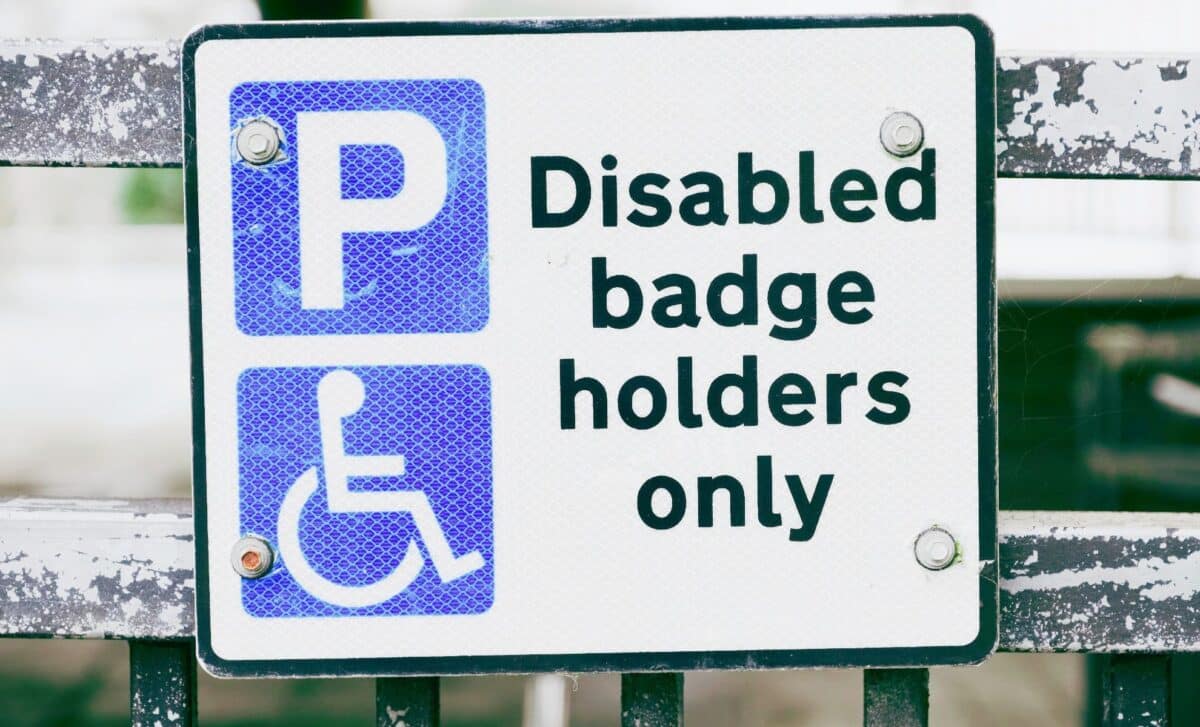
The scheme provides access to designated disabled parking bays and certain restricted parking areas, helping people whose mobility or health conditions make everyday journeys difficult. Eligibility is not limited to wheelchair users or those receiving disability benefits.
According to the Daily Mirror, applicants fall into two broad categories: those entitled to a badge automatically and those whose circumstances require further consideration. The rules also differ slightly across the UK’s four nations, particularly regarding application fees and processing times.
Six Groups Qualify Automatically Under Blue Badge Eligibility Rules
According to GOV.UK, people aged three or over automatically qualify for a Blue Badge if they meet at least one of six specified conditions. These include receiving the higher-rate mobility component of Disability Living Allowance (DLA) or scoring at least eight points under the moving around component of Personal Independence Payment (PIP), indicating an inability to walk more than 50 metres.
People registered as severely sight impaired also qualify, alongside recipients of the War Pensioners’ Mobility Supplement. Automatic eligibility extends to certain Armed Forces Compensation Scheme recipients who have received an award within tariff levels one to eight and have a certified permanent, substantial walking disability.
The sixth category covers PIP recipients awarded exactly 10 points under descriptor E of the planning and following journeys activity because travelling would cause overwhelming psychological distress.
Notably, receiving 12 points under a different descriptor does not automatically establish eligibility. Such applicants may still qualify, but their circumstances must be assessed separately.
Thirteen Additional Circumstances May Support an Application
According to Citizens Advice, people with health conditions affecting their mobility can apply even without automatic entitlement. The 13 circumstances include being unable to walk, requiring assistance or mobility aids, experiencing severe pain or breathlessness, and facing significant health or safety risks when walking. People with life-limiting illnesses and an SR1 form may also qualify.
Eligibility may extend to drivers with severe disabilities affecting both arms who cannot operate parking payment machines. Parents of children under three may apply when their child requires bulky medical equipment or immediate access to a vehicle for emergency treatment.
Other qualifying circumstances concern non-visible disabilities, including severe difficulties planning journeys, overwhelming anxiety in public spaces, impaired behavioural control and significant risks around traffic.
Applications are assessed individually, meaning a diagnosis alone does not guarantee approval. In England, badges cost up to £10, compared with £20 in Scotland, while Wales issues them free. Northern Ireland charges £10. Badges generally remain valid for three years. According to nidirect, Northern Ireland applicants should normally receive a decision within six to eight weeks, although additional evidence can extend processing.