
UK motorists are being urged to keep their vehicles roadworthy as research suggests many drivers could struggle to meet the cost of an unexpected repair. The Highway Code requires drivers to pay attention to basic vehicle condition, with some defects potentially resulting in penalty points.
According to the Mirror, research from consumer finance provider Creditspring found that an unplanned car repair costs £700 on average. Four in ten drivers surveyed said they could not afford a bill above £249 without reducing spending elsewhere, leaving a potential £450 gap between what they could manage and the average repair cost.
The warning centres on routine checks that drivers are expected to make rather than relying solely on an MOT to identify faults. Tamsin Powell, a consumer finance expert at Creditspring, said motorists should ensure their cars remain roadworthy and keep on top of maintenance because defects can create both safety concerns and financial problems.
Highway Code Sets Out Checks Drivers Should Make
The Highway Code’s Annex 6 tells motorists to take particular care to ensure that lights, brakes, steering, exhaust systems, seat belts, demisters, windscreen wipers, washers and audible warning systems are working correctly.
According to the Highway Code guidance cited by the Mirror, lights, indicators, reflectors and number plates must also remain clean and unobstructed. Windscreens and windows must be kept clean and free from anything that could restrict the driver’s view, while lights must be correctly adjusted so they do not dazzle other road users.
Drivers are also instructed to make sure exhaust emissions remain within prescribed levels. Before setting off, their seat, seat belt, head restraint and mirrors should be correctly adjusted, while luggage must be stored securely.
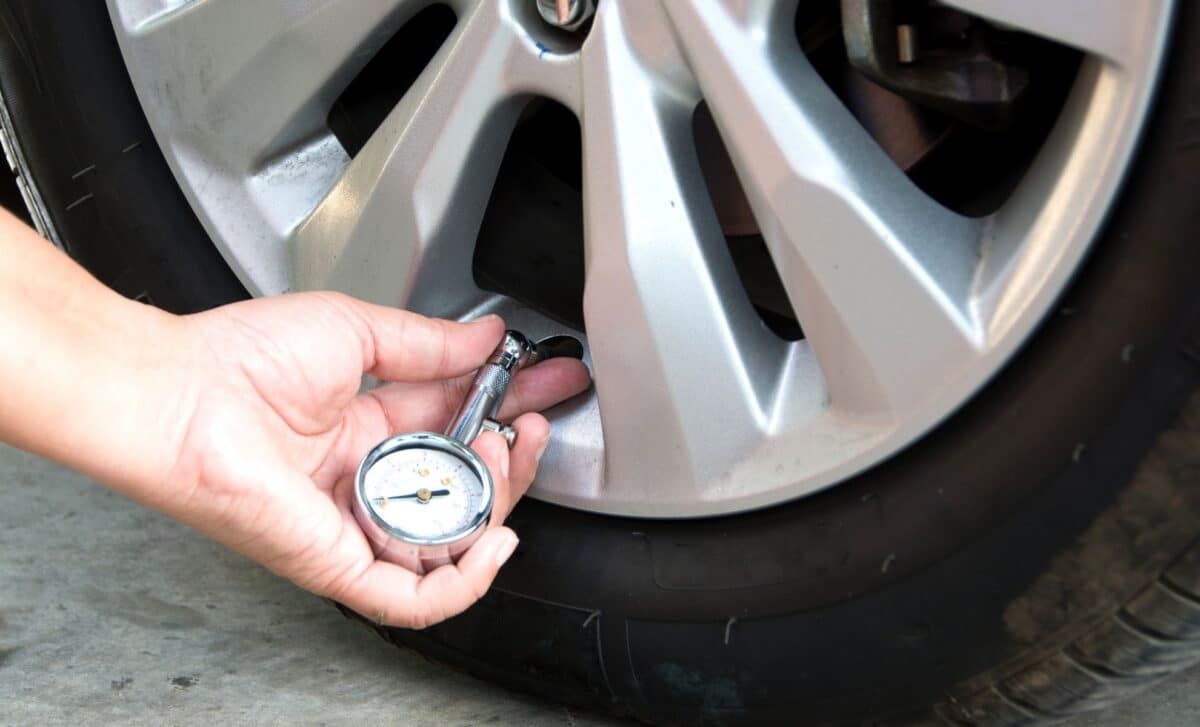
Tyres form another part of the guidance. They must be inflated to the manufacturer’s specification for the load being carried and should not have certain cuts or defects. For cars, the minimum tread depth is 1.6mm across the central three-quarters of the tyre and around its entire circumference.
Powell said drivers should check tyre pressures weekly and do so before travelling, while the tyres are cold. Checking them when hot can produce a misleading reading. Motorists are also advised to monitor fluid levels regularly and understand the warning displays shown on their dashboard.

Drivers Urged To Prepare for Unexpected Repair Costs
The financial difficulty surrounding repairs is highlighted by the difference between the £700 average unexpected bill identified in the research and the £249 maximum that four in ten drivers said they could meet without cutting other spending.
According to Creditspring’s Tamsin Powell, there is no single amount that will cover every possible repair, but drivers can build a separate fund intended specifically for unexpected vehicle costs. Those unable to put aside hundreds of pounds at once can instead begin with smaller regular contributions and allow the fund to grow over time.
She also advised motorists to budget separately for predictable expenses such as insurance, MOT costs and road tax. Keeping those known bills apart from an emergency fund means money reserved for repairs remains available when a problem occurs.
For drivers who need to borrow to cover a repair, Powell said they should understand the total amount they will repay and consider whether repayments are manageable alongside their other bills. The aim, she said, is to prevent an unexpected vehicle problem from creating further financial pressure later.