British travellers returning to the UK will soon be able to pass through some airport e-gates without scanning their passports, as Border Force introduces a facial recognition system designed to make immigration checks faster. The first “contactless border” gates are expected at Birmingham and East Midlands airports in the coming weeks, before a wider rollout early next year.
Passengers will still have to carry their passports because the documents remain necessary for airline check-in and boarding. The change applies only to the process of passing through border control after arrival, where a traveller’s face will be compared with passport photographs supplied in advance to Border Control.
How the Contactless Border System Will Work
According to The Sunday Times, airlines will transmit a gallery of passport photographs belonging to British passengers arriving that day to Border Control at each airport. The images will then be made available to the upgraded e-gates, allowing cameras to compare a passenger’s face with a much smaller group of expected arrivals.
Phil Douglas, director general of Border Force, said the approach could speed up border control by as much as 25 per cent. Existing passport checks usually take about 20 to 25 seconds, although they can take longer when travellers position documents incorrectly or when passport chips are dirty and cannot be read.
“Because we know who’s coming and can load up that gallery of who is arriving, it’s not a one in 60 million check, it’s a one in tens of thousands check,” Douglas told The Sunday Times.
If an e-gate cannot recognise a traveller, the passenger will be asked to scan their passport in the usual way. If that check also fails, they will be directed to a Border Force officer at a staffed desk.
The Independent reports that the system will initially be available to British passport holders. The intention is later to extend access to other nationalities already permitted to use UK e-gates with biometric passports. The technology was tested for three weeks at Manchester Airport in October last year. According to the Home Office, passengers generally passed through the gates more quickly and reported a better experience.
Wider Rollout Comes As Airport Passenger Numbers Rise
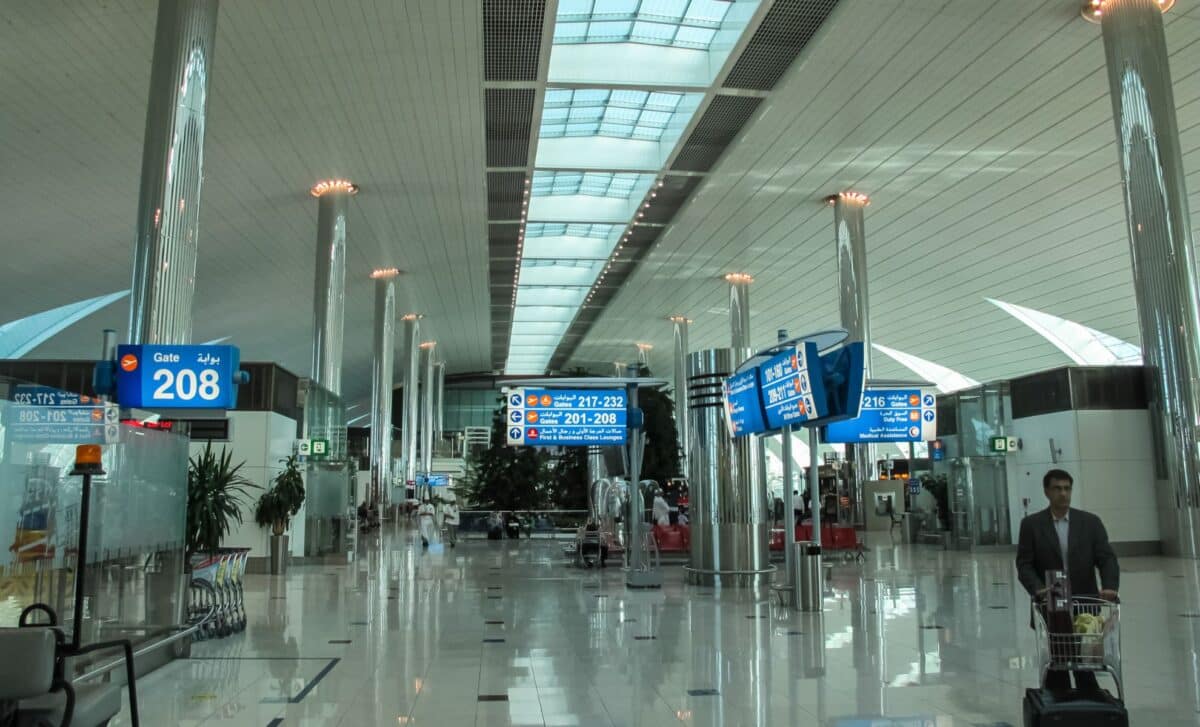
The upgraded system is expected to reach all existing UK airport e-gates by early next year. These currently operate at Birmingham, Bristol, Cardiff, East Midlands, Edinburgh, Gatwick, Glasgow, Heathrow, London City, Luton, Manchester, Newcastle and Stansted.
The rollout comes as more passengers travel through British airports. Figures from the Civil Aviation Authority, cited by The Sunday Times, show that more than 61 million passengers used UK airports during the first quarter of this year, a record for that period.
E-gates were first introduced in Britain in 2008. They were supplied by VisionBox, a biometrics and border-control company now owned by Spanish travel technology business Amadeus. Since 8 July, children aged eight and over who are at least 120cm tall have also been permitted to use the gates, and they will be eligible to use the new system.
Douglas said the technology was being introduced for border-security reasons as well as to improve passenger flow. He said moving routine immigration checks towards automated facial recognition could allow Border Force staff to focus more attention on areas including crime, safeguarding and drugs.
Facial recognition has also attracted criticism over accuracy and privacy. The Independent reports that campaigners have raised concerns about misidentification and the absence of dedicated legislation governing some uses of the technology. Under the airport system, passengers whose faces are not recognised will retain the option of a passport scan followed, if necessary, by a check with a Border Force officer.