A ban on single-use wet wipes containing plastic is set to take effect across the United Kingdom, beginning in Wales on 18 December 2026. Northern Ireland, England and Scotland will introduce their own restrictions during 2027, removing many commonly used plastic-based wipes from shops and online retailers.
The change is intended to address pollution and sewer blockages linked to wipes that do not break down when flushed. According to reports, discarded wipes can release plastic fibres into sewage systems and the wider environment, where they contribute to blockages, fatbergs and contamination of rivers and marine habitats.
Different Parts of the UK Will Introduce the Ban on Separate Dates
The timetable varies because environmental legislation is administered separately by the UK’s devolved governments. Wales will act first on 18 December 2026, followed by Northern Ireland on 18 May 2027, England on 19 May 2027 and Scotland on 11 August 2027.
Once those dates are reached, retailers will no longer be permitted to sell or supply conventional single-use wet wipes containing plastic. The restriction applies both online and in physical shops.
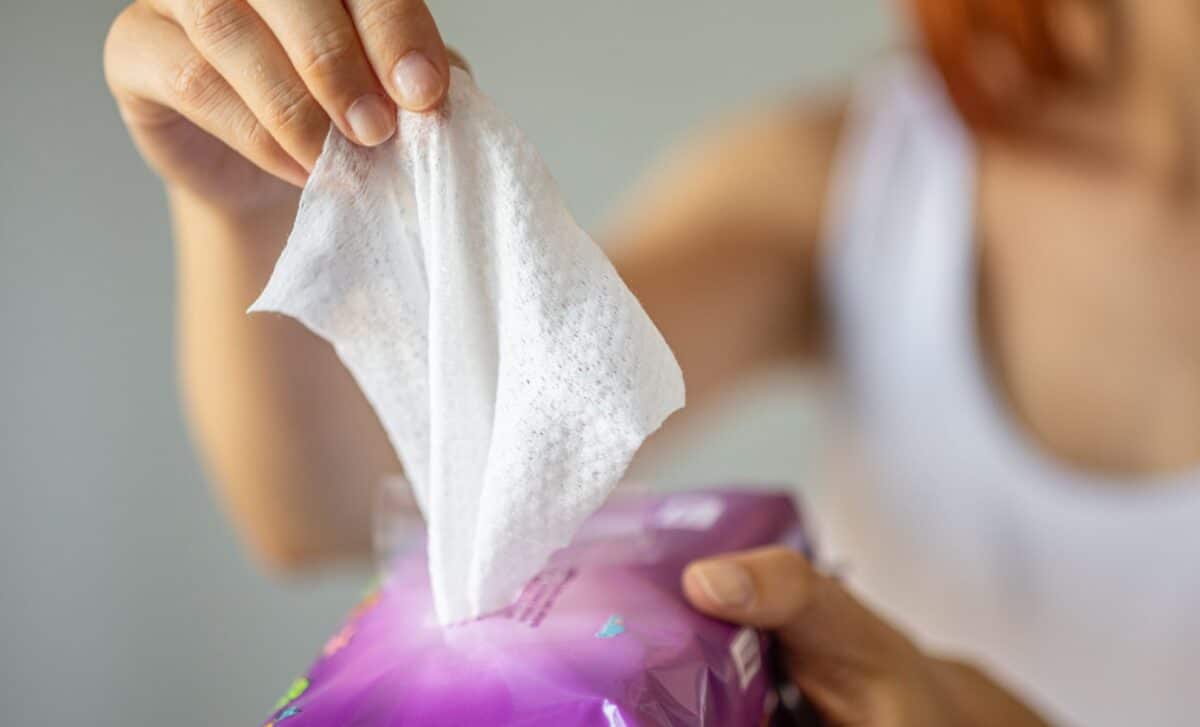
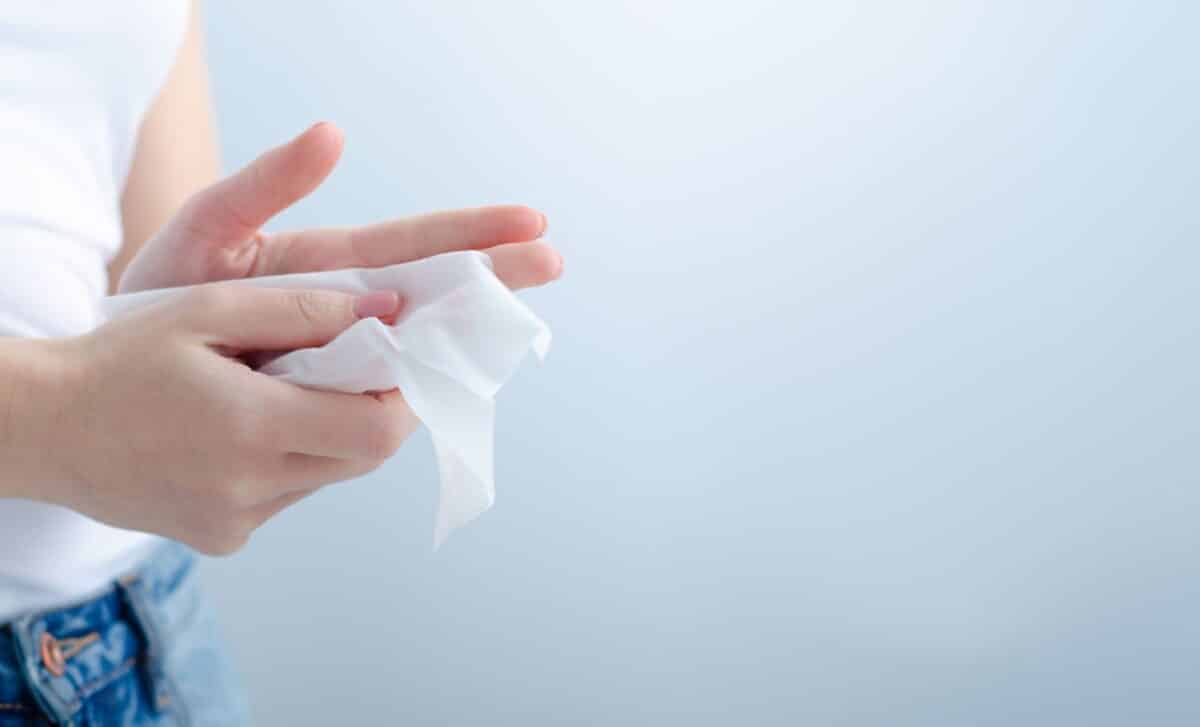
The affected products cover several everyday categories. Baby and toddler wipes containing plastic will be included, alongside make-up removal wipes, facial cleansing wipes and cosmetic sheet masks. Personal hygiene products such as moist toilet tissue, antibacterial hand wipes, body wipes and intimate hygiene wipes will also fall within the rules.
Household products are covered as well. According to the Mirror, plastic-containing surface disinfectant wipes, kitchen and bathroom cleaning wipes and pre-soaked disposable wet-mop pads are among the products that will be affected.
The ban does not mean that all wet wipes will disappear. Plastic-free single-use wipes will remain available, including products made from materials such as bamboo or other plant fibres. Reusable wet wipes are also outside the restrictions.
Government guidance cited by the same source states that shoppers should look for products labelled “plastic-free”, while reusable wipes that can be safely used multiple times are not included in the ban.
Medical and Industrial Uses Will Remain Exempt From the Restrictions
Some plastic-containing wipes will continue to be permitted where their characteristics are needed for particular purposes. The legislation allows exemptions for professional medical treatment, industrial manufacturing and laboratory use.
Registered pharmacies will also be able to supply certain plastic-containing wipes over the counter for people with specific health requirements, although ordinary high-street retailers will not be allowed to display prohibited products for general sale.
The supplied reports explain that plastic fibres can provide durability, chemical compatibility and moisture retention needed in some medical and care settings. These properties are the reason certain specialist products remain exempt.
The environmental argument behind the wider ban centres largely on what happens when wipes are flushed. According to the Mirror, plastic wet wipes are linked to 94% of UK sewer blockages, with an estimated £200 million spent each year clearing them.
Unlike toilet paper, the wipes do not readily break down. They can combine with grease in sewage systems to form fatbergs, while material that reaches rivers and coastlines can gradually break into microplastics.
Businesses are being advised to review their inventories before the relevant deadlines. After each regional ban takes effect, selling stock covered by the restrictions could lead to financial penalties.