The new organisation will operate under Great British Energy, the publicly owned green investment company established by the Labour government. According to reports from the BBC, the body will compete with existing private network companies while supporting new connections for businesses and energy projects.
A New Public Player in Britain’s Electricity Network
GB Grid will become the first publicly owned participant in electricity networks since privatisation under Margaret Thatcher’s government in 1990. The organisation will not take over existing companies but will work alongside private firms involved in managing and expanding the network.
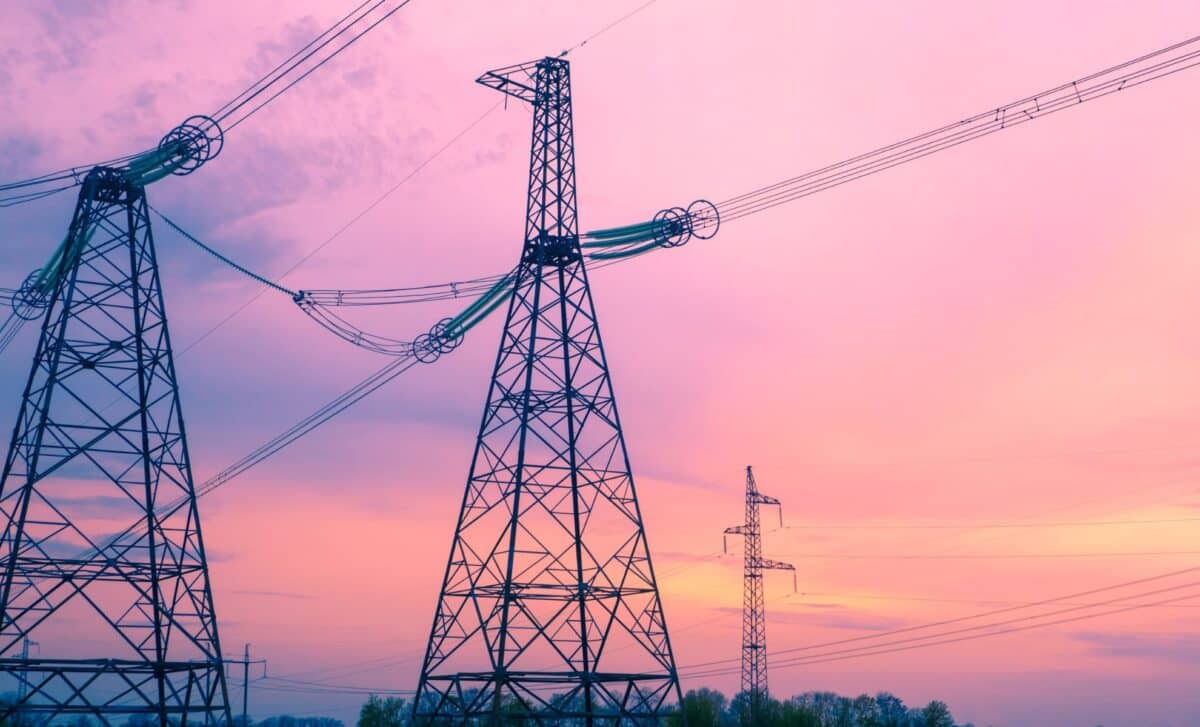
According to ITV News, Britain’s electricity grid is currently operated through several private stakeholders, with three transmission network operators responsible for moving large amounts of electricity across the country. These include National Grid Electricity Transmission, Scottish and Southern Energy and Scottish Power.
The government says the new body will increase competition by allowing a public organisation to bid for network projects. Businesses that currently face delays when seeking grid connections will also be given the option to build their own connection infrastructure, with GB Grid able to support or co-invest in these projects.
Burnham is expected to say that the organisation will “increase competition to drive down costs and speed up delivery so businesses can connect faster and grow quicker”. The announcement forms part of a wider plan to give more public control over energy systems.
The funding for GB Grid will come from the existing budget of Great British Energy, according to reports. The government has not provided details of additional spending for the new organisation.
Grid Upgrades and the Challenge of Reducing Energy Costs
The government’s stated aim is to bring UK energy costs in line with other European countries within ten years. Burnham has argued that businesses and households are facing high energy costs because of problems within the current system.
According to the i Paper, UK household electricity prices were 18 per cent above the European Union average in the second half of 2025, while gas prices were 34 per cent below the EU average during the same period.
A major focus of the plan is improving the electricity network as Britain increases renewable energy capacity. The transition towards more renewable sources requires upgrades to a grid that was largely designed around older power generation patterns.
According to the BBC, energy regulator Ofgem has estimated that £70bn of investment is required in the grid between 2025 and 2031, representing a significant increase from current investment levels. The National Audit Office has also reported that the number of projects waiting for grid connections has grown significantly.
The government says faster connections could reduce delays affecting businesses and renewable energy developments. Energy Secretary Miatta Fahnbulleh described the move as part of efforts to increase public control over energy systems.
Opposition figures have challenged the plan. Shadow energy secretary Andrew Bowie said the Conservatives believed other approaches were needed to reduce energy costs, arguing that government policies could add pressure to bills. The creation of Great British Grid will now form part of the government’s wider energy strategy as it seeks to expand infrastructure and change how future network projects are delivered.