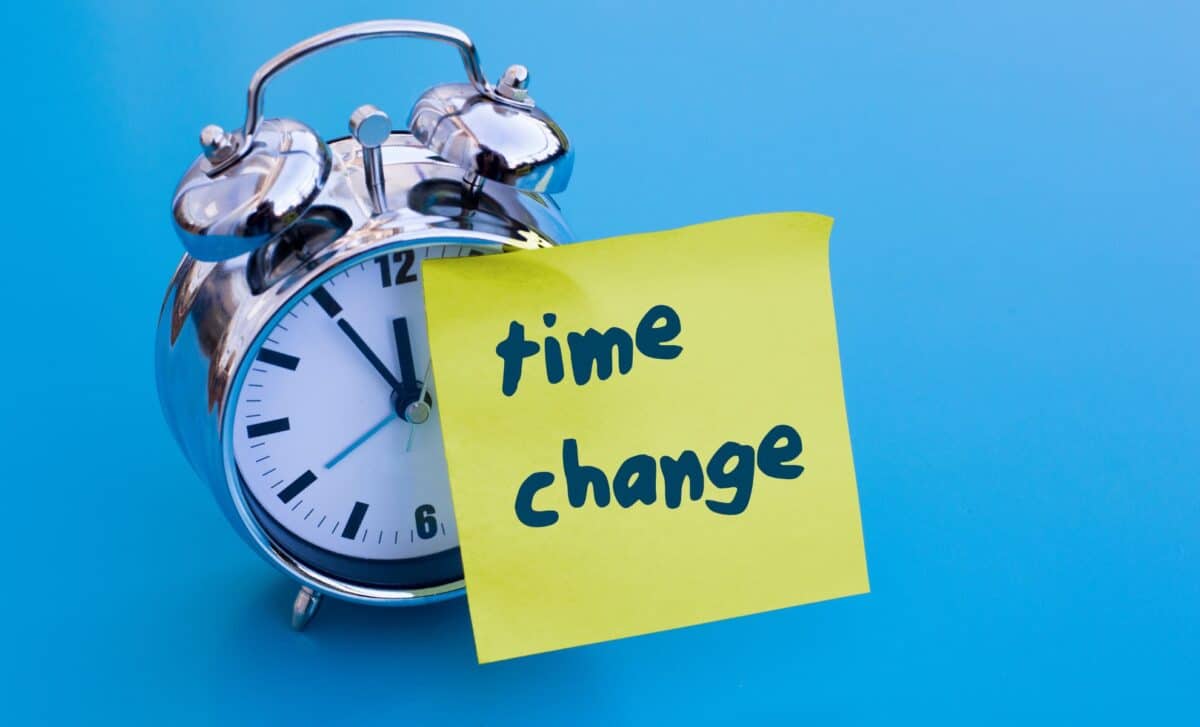
The change from longer summer evenings to darker autumn days also marks the annual adjustment of clocks across the UK. Each year, millions of people change their routines as the country switches between British Summer Time (BST) and Greenwich Mean Time (GMT).
UK Clocks Change On October 25, 2026
In 2026, the clocks will go back slightly earlier than some people may expect, bringing the return of GMT and an extra hour of sleep. The UK will move from British Summer Time to Greenwich Mean Time on Sunday, October 25, 2026.
At exactly 2am, clocks will move back one hour to 1am, meaning people will gain an additional hour overnight. The date may appear earlier than usual because the clock change always takes place on the last Sunday of October.
Since October 25 is the final Sunday of the month in 2026, it is the official date for the autumn time change. In future years, the date will vary depending on the calendar. The end of British Summer Time will fall on October 31 in 2027 and October 29 in 2028.
When Will The Clocks Go Forward In 2027?
The next switch to British Summer Time will happen in spring 2027. Clocks will move forward at 1am on Sunday, March 28, 2027, meaning people will lose one hour of sleep.
The spring and autumn changes follow a fixed pattern. The UK moves to summer time on the last Sunday of March and returns to GMT on the last Sunday of October. The following autumn change will take place on Sunday, October 31, 2027, when clocks move back again.
Why Does The UK Change The Clocks?
The idea of adjusting clocks to make better use of daylight dates back more than a century. British builder William Willett began campaigning in 1907 for changes that would extend evening daylight during the summer months.
He argued that moving clocks forward would allow people to use more daylight hours during the warmer part of the year. Early attempts to introduce daylight saving legislation faced opposition, with several proposals rejected between 1908 and 1916.
The system was finally introduced during World War I through the Summer Time Act, which received Royal Assent on May 17, 1916.The first UK clock change took place on May 21, 1916, marking the beginning of a system that continues today.
A Seasonal Change That Still Shapes Daily Life
The clock change remains a regular part of the UK calendar, affecting commuting, working hours and daily routines. While the extra hour of sleep in autumn is welcomed by many people, the earlier sunsets that follow also mark the transition into the darker months of the year.