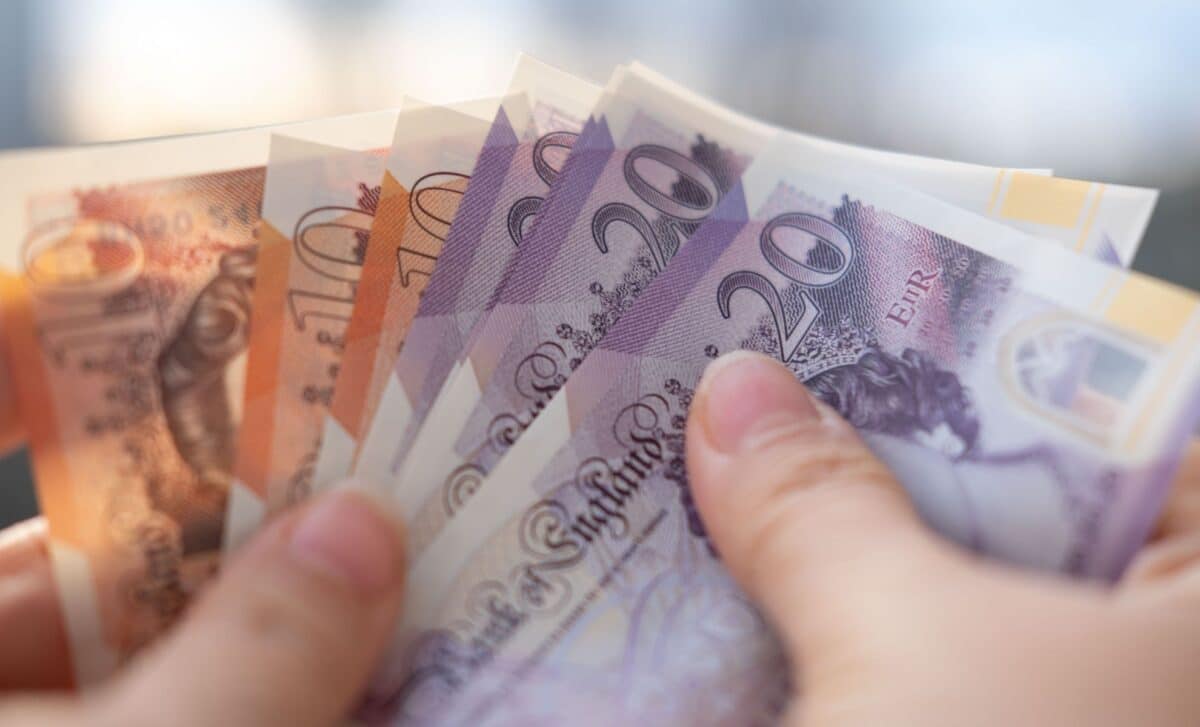
New state pension recipients could receive up to £250.70 per week from April 2027 if current wage growth figures are used in the government’s annual triple lock calculation.
The forecast increase would lift the full new State Pension by around £488 a year, based on current figures showing wage growth ahead of inflation.
Wage Growth Puts Pressure On Next State Pension Increase
The UK government’s triple lock system requires the Department for Work and Pensions (DWP) to increase the state pension each year by whichever is highest among inflation, average wage growth, or 2.5%.
According to Express, the latest figures suggest average wage growth could become the measure used for the April 2027 increase. Current estimates show wage growth at 3.9%, while inflation stands at 2.9%.
The calculation is not yet final because the relevant inflation figure and wage data must be confirmed before the next increase is set.
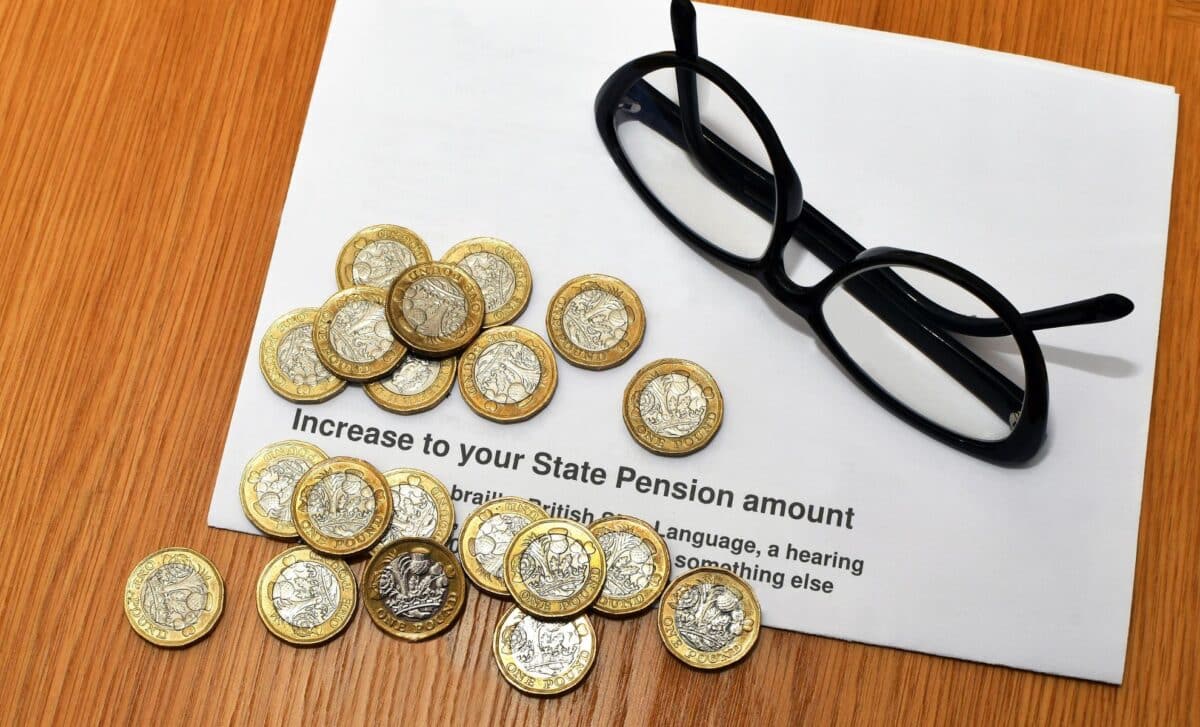
The new State Pension, introduced in 2016, applies to men born after April 5, 1951, and women born after April 5, 1953. Those with a full National Insurance record receive the maximum payment.
© Shutterstock
Pension Experts Explain Possible Payment Changes
Helen Morrissey, Head of Retirement Analysis at Hargreaves Lansdown, said the current figures point towards wage growth being used in the triple lock calculation.
“According to the ONS, average wage growth stood at 3.9%. We may have just over a month to wait until the relevant inflation figure is published, but it currently stands at 2.9%, so unless there’s a real surge it seems likely that the average wage figure will be used.”
She added that a 3.9% increase would change weekly payments for pensioners receiving the full amount.
“Such an increase would put someone on the full new state pension on course to receive £250.70 a week from next April – up from the current £241.30 per week. Someone on a full basic state pension would receive £192.10 a week – up from £184.90.”
Morrissey said the increase would raise pensioner incomes but noted that the state pension alone may not cover every retirement expense.
“This will be a welcome boost to pensioner incomes but even a full state pension is only ever going to cover the basics. If you want to live well in retirement, then you will need to take your pension planning into your own hands.”
Final Triple Lock Figure Could Still Change
The expected increase depends on the data used when the government makes its final decision. If wage growth changes during the assessment period, the eventual rise could be different.
The smallest possible increase would be based on the 2.5% minimum level built into the triple lock. That would represent a rise of around £313.69 a year for someone receiving the full new state pension.
Prime Minister Andy Burnham has committed to maintaining the triple lock for the upcoming October Budget, continuing a policy promise made during the Labour manifesto campaign.
Pension Saving Remains A Focus For Future Retirees
Morrissey also highlighted the role of personal pension planning for people who expect their retirement income to fall below their needs.
“If you have a gap between what you have and what you need, then taking small actions, like boosting contributions every time you get a pay increase or a promotion could have a big impact over time.”
“Your employer might also be willing to increase their contribution if you increase yours – known as the employer match – and this can also make a big difference. This steady drip feed of contributions invested over the long term can transform your retirement.”
She said people who are concerned about their pension savings can still take steps to improve their position.
“If you’re worried that you’ve neglected your pension, then it’s important to say that it’s never too late to make a difference to your retirement.”
“Take stock of what you have, and if you have any extra money to contribute, it can still make a huge difference. You can usually access money in a pension from age 55 (rising to 57 in 2028).”
The current full new state pension rate is £241.30 per week.