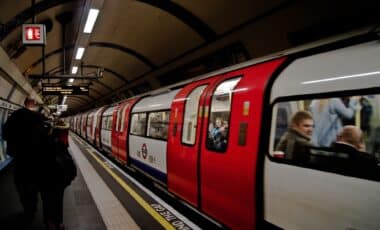

The UK will move back to Greenwich Mean Time (GMT) on Sunday, October 25, 2026, ending the annual period of British Summer Time (BST) and bringing earlier sunsets across the country.
At 2am, clocks will move back by one hour, giving people an extra hour in bed but reducing evening daylight as winter approaches.
The 2026 Clock Change Date Has Been Confirmed
The annual switch from BST to GMT always takes place on the last Sunday of October in the UK. In 2026, that date falls on October 25.
According to The Sun, the change will happen one day earlier than in 2025, when clocks moved back on October 26.
Most modern devices, including smartphones, computers and connected devices, will update automatically. Older watches, car clocks, traditional alarm clocks and some household appliances may still need to be adjusted manually.
The following clock changes will take place later in October, with the switch scheduled for October 31 in 2027 and October 29 in 2028.
The clocks are set to go back in just a few weeks, and this year the change will happen even earlier. The UK will switch from British Summer Time (BST), also known as Daylight Saving Time, to Greenwich Mean Time in October. Moving the clocks takes place overnight on a Saturday… pic.twitter.com/J2v3380fAC
— The Sun (@TheSun) September 7, 2026
UK Summer Time Returns In March 2027
The next move forward will happen on Sunday, March 28, 2027, when clocks will jump from 1am to 2am and restore British Summer Time.
The UK follows a fixed annual pattern, with clocks moving forward on the last Sunday in March and moving back on the last Sunday in October.
A common reminder for the direction of the change is the phrase “spring forward, fall back”.
The annual switch from BST to GMT always takes place on the last Sunday of October in the UK.
Credit: Canva
Why The UK Changes Its Clocks Twice A Year
The clock adjustment was introduced to make better use of daylight during the summer months.
Campaigns for daylight saving were led in Britain by builder William Willett, who began promoting the idea in 1907. His proposals argued that changing the clocks could allow people to use more daylight during the evening.
The first attempts to introduce legislation faced opposition, but the policy was eventually adopted during World War I.
The Summer Time Act 1916 received Royal Assent on May 17, 1916, and the UK moved its clocks forward for the first time on May 21 of that year.