
Applications are handled through local councils, and households do not have to be receiving benefits to ask for help. According to BirminghamLive, anyone can apply for support, although local authorities will prioritise people considered to be in the most urgent financial need.
Local Councils Decide How Much Financial Support Households Receive
The payments are distributed by local authorities, meaning the amount available can vary depending on where an applicant lives. Birmingham City Council has been providing grants worth £200 to eligible households through its local support arrangements.
Residents who want to seek assistance must apply to their local council, with information about the process available through council websites. Applications are assessed locally rather than through a single national payment system.
According to BirminghamLive, the funding is designed to help households cover essential costs such as food, water and energy. People experiencing financial pressure can therefore submit a request even if they are not already receiving other forms of government support.
While applications are open widely, councils may give priority to households whose circumstances suggest a more immediate need. The report notes that parents with young children could be among those treated as a priority, though requests from other households will also be considered.
That distinction means applying for the fund does not guarantee that a household will receive a payment. Local authorities are responsible for assessing requests and determining how support is allocated within their areas.
The £200 figure reported in Birmingham applies specifically to grants being distributed by Birmingham City Council. Other councils may provide different amounts, since local authorities determine the value of payments made under their own schemes.
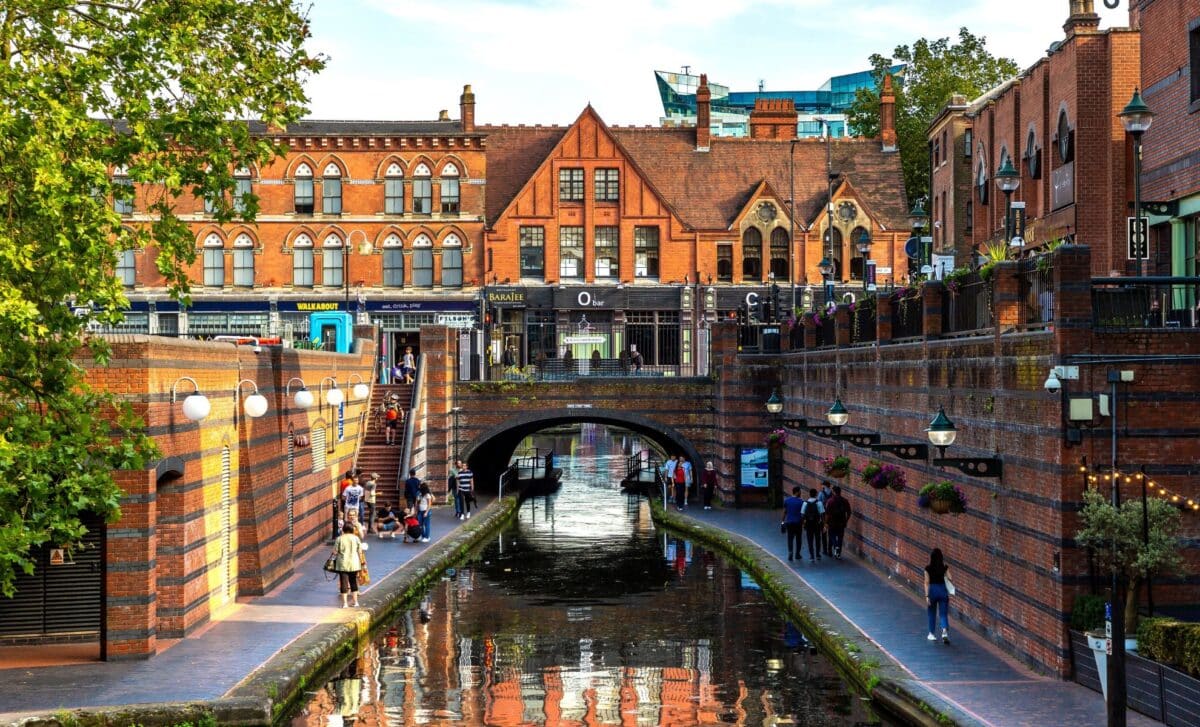
Birmingham Scheme Moves From Household Support Fund to Crisis Resilience Fund
In Birmingham, the arrangements previously operating through the Household Support Fund have moved into a scheme known as the Crisis Resilience Fund. Birmingham Voluntary Service Council handles enquiries and applications on behalf of Birmingham City Council.
The organisation said the application procedure would remain unchanged following the transition. According to Birmingham Voluntary Service Council, “The Household Support Fund has now transitioned into the Crisis Resilience Fund. The enquiry and application process will remain the same as HSF.”
The organisation also stressed that receiving Universal Credit or another support service is not a requirement for eligibility. It said people who are not currently receiving any support services, including Universal Credit, may still qualify for help through the Crisis Resilience Fund.
This means households should not assume that being outside the benefits system automatically prevents them from submitting an application. Requests are still considered through the same enquiry and application process operated locally in Birmingham.
For residents facing money difficulties, the route to support remains through their local authority. In Birmingham, applications continue to be handled through the council’s arrangements with Birmingham Voluntary Service Council, while households elsewhere need to check the information provided by their own council. Payments are continuing during September, with local authorities considering applications and directing support towards households judged to need assistance most urgently.