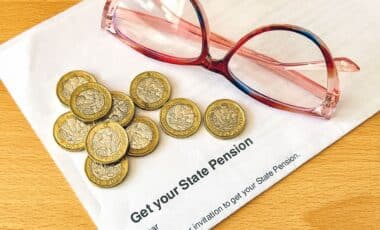
Some younger state pensioners will receive two Department for Work and Pensions (DWP) payments in September 2026, creating a possible total of £1,930.40 for those receiving the maximum new state pension rate.
The additional payment is linked to the way four-week pension payment cycles align with the calendar, meaning certain recipients will be paid twice during a month containing five Tuesdays.
Why Some Younger Pensioners Will Receive Two Payments
According to Express, the payment change affects younger state pensioners who retired after April 2016 and have a full National Insurance record.
The maximum new state pension currently stands at £241.30 per week, which equals up to £965.20 every four weeks. Pension payments are issued based on four-week periods rather than a standard monthly schedule.
In September 2026, some recipients will receive two four-week payments because of the timing of the payment dates.

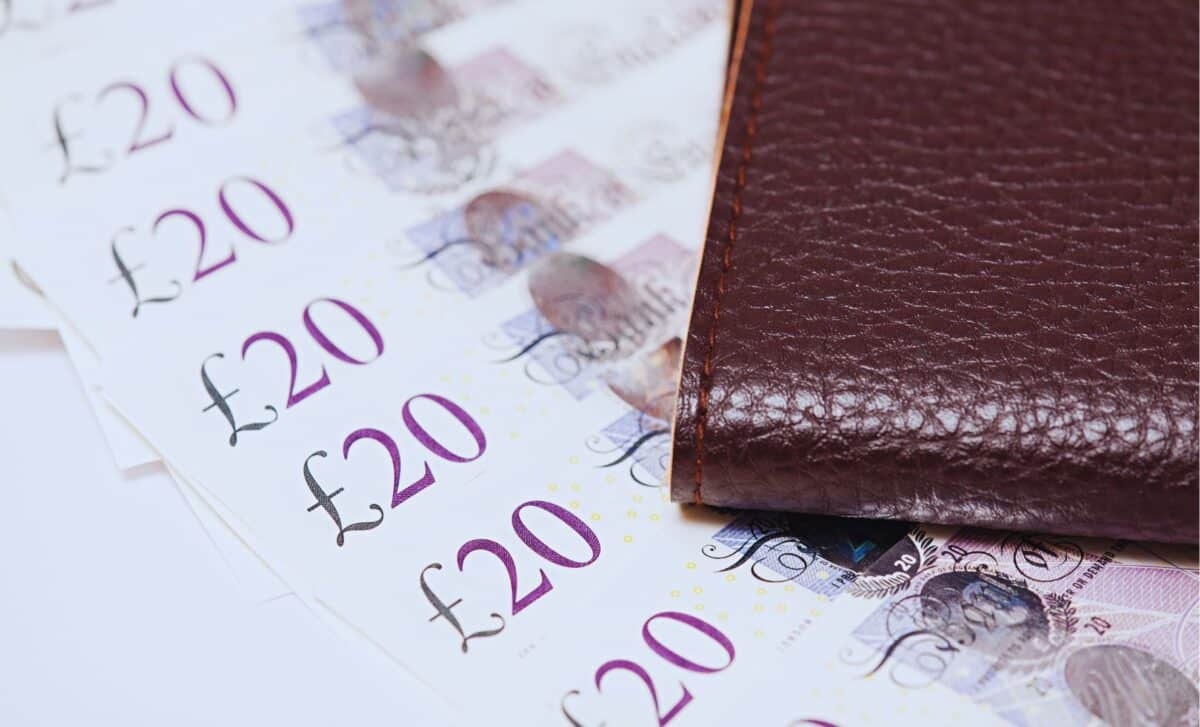
Credit: Canva
National Insurance Numbers Determine Payment Dates
The DWP uses the final two digits of a person’s National Insurance number to determine their normal payment day.
People whose NI numbers end between 20 and 39 are usually paid on Tuesdays. Since September 2026 includes five Tuesdays, these pensioners will receive two scheduled payments during the same month.
Those with incomplete National Insurance records will receive a lower amount, with the final payment calculated according to their individual pension entitlement.
The Annual Value Of The New State Pension
A pensioner receiving the maximum new state pension rate can receive around £12,547 per year from their basic payments.
That figure remains below the £12,570 Personal Tax Allowance, though other income sources such as savings interest, employment earnings or rental income can affect whether someone needs to pay tax.
The government has announced plans that would allow some pensioners above the tax allowance threshold to avoid paying tax on their state pension if they have no other income. The Treasury is expected to provide further details during the October 28 Budget.