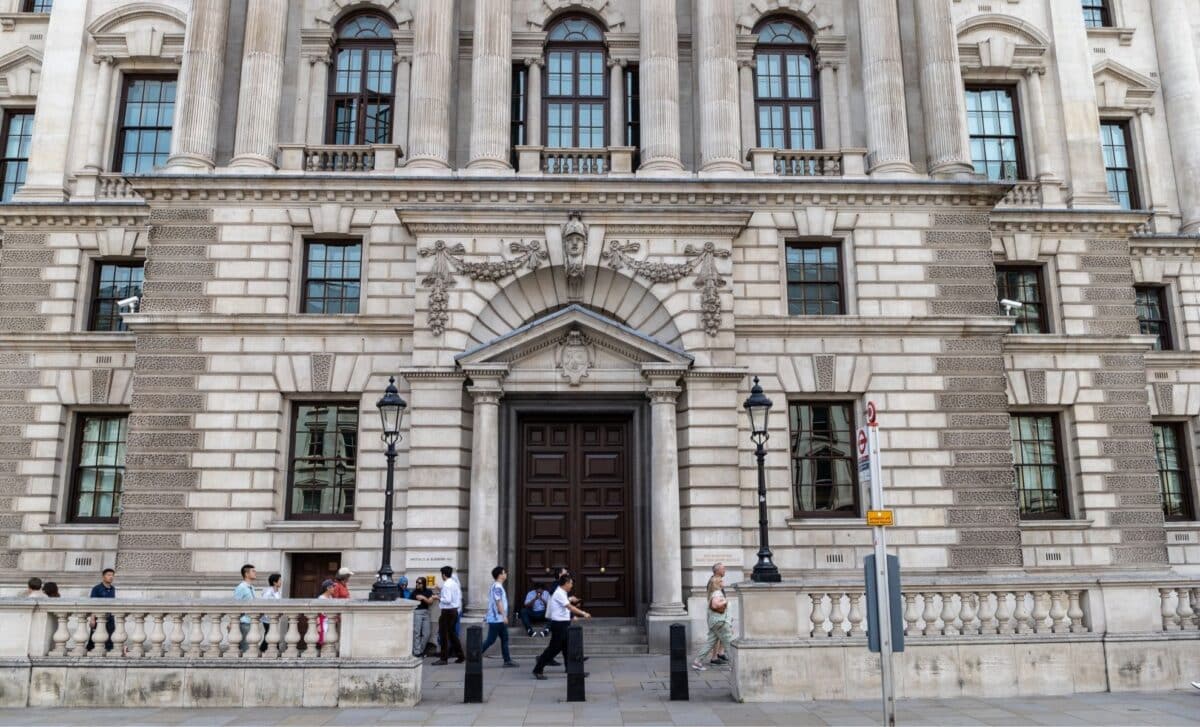
The scheme was designed to lower the cost of certain activities for families during the school summer holidays. According to HM Revenue and Customs (HMRC), the reduced rate applied to specified children’s meals, children’s tickets for cinemas, theatres, concerts, exhibitions and shows, as well as admission for customers of any age to a defined group of family attractions.
What Changes When the Temporary 5% VAT Rate Ends
From 2 September, supplies previously covered by the temporary measure return to their normal VAT treatment. HMRC states that the 5% rate applied from 25 June to 1 September 2026 inclusive, replacing the standard 20% VAT rate for qualifying transactions during that period.
For children’s meals, the relief was restricted to food specifically marketed, presented and priced as a children’s meal and served as part of catering services for consumption on the premises. Takeaway meals were excluded, as were smaller portions or cheaper versions of adult meals that were not presented as children’s meals.
The rules also covered children’s admission to cinema screenings, theatrical performances, shows, concerts and exhibitions. Where tickets were sold separately for adults and children, only the children’s ticket received the reduced rate. A family ticket sold for a single price could qualify in full if it included at least one child admission.
According to HMRC’s policy paper, the legislation did not itself define a child, so the department treated anyone under 18 as a child for the purposes of the temporary relief.
Family attractions were treated differently. Admission to qualifying venues received the 5% rate regardless of the customer’s age. The list included amusement and theme parks, circuses, adventure parks, museums, planetariums, heritage sites, nature reserves, botanical gardens, zoos, aquariums, wildlife parks, soft play centres, indoor play facilities and observation attractions.
Tickets, Advance Payments and Activities Outside the Scheme
The date of admission, rather than simply the date a ticket was purchased, determines whether the temporary rate applies. Tickets bought during the relief period for admission on or after 2 September remain subject to the standard VAT rate.
According to HMRC, businesses that had already accounted for VAT at the standard rate on certain advance payments could make an adjustment where the admission qualified for the temporary reduction. Where VAT was recalculated at the lower rate, any overpaid VAT was to be passed back to the customer.
The relief did not cover every activity aimed at families. Sporting activities, including admission to sporting events, use of sports facilities and participation in recreational sport, were excluded from the temporary rate.
The measure was also limited to admission charges at qualifying attractions. Separately supplied food, merchandise, upgrades and other services continued to follow their usual VAT treatment. Party packages containing additional goods or services would generally remain standard-rated unless all elements of the supply met the conditions for the temporary relief. Businesses using the VAT Flat Rate Scheme were unaffected by the temporary change and continued to apply their existing percentage when calculating VAT liability.