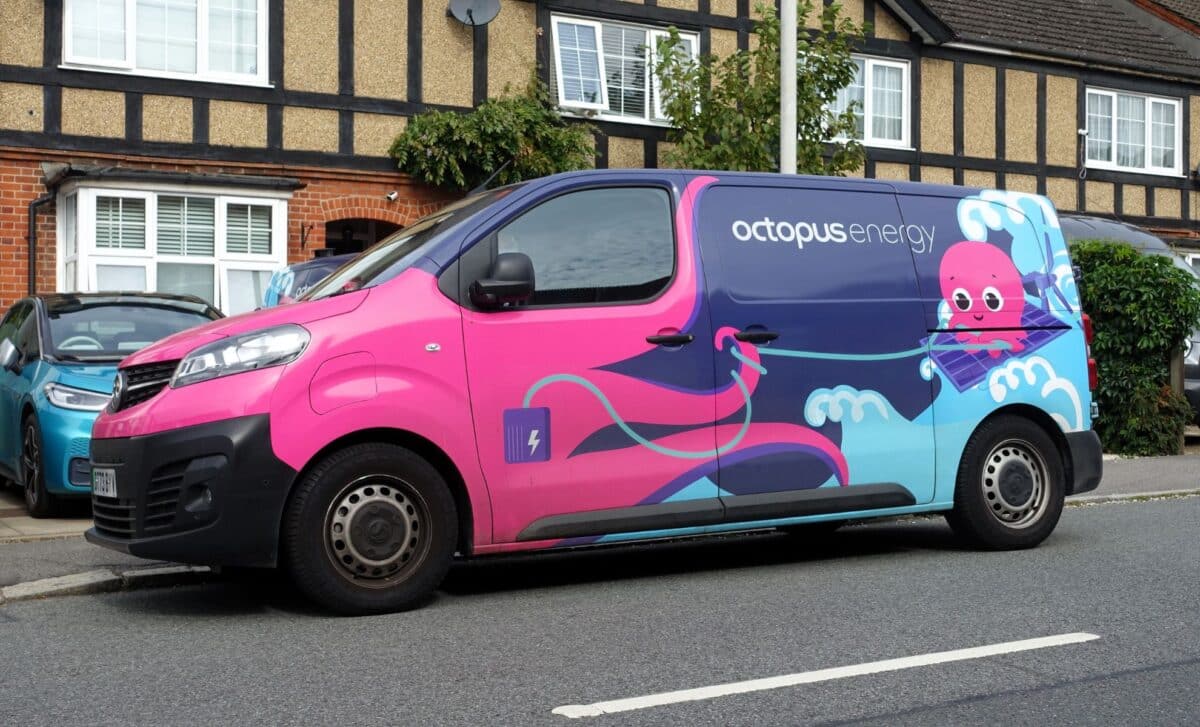
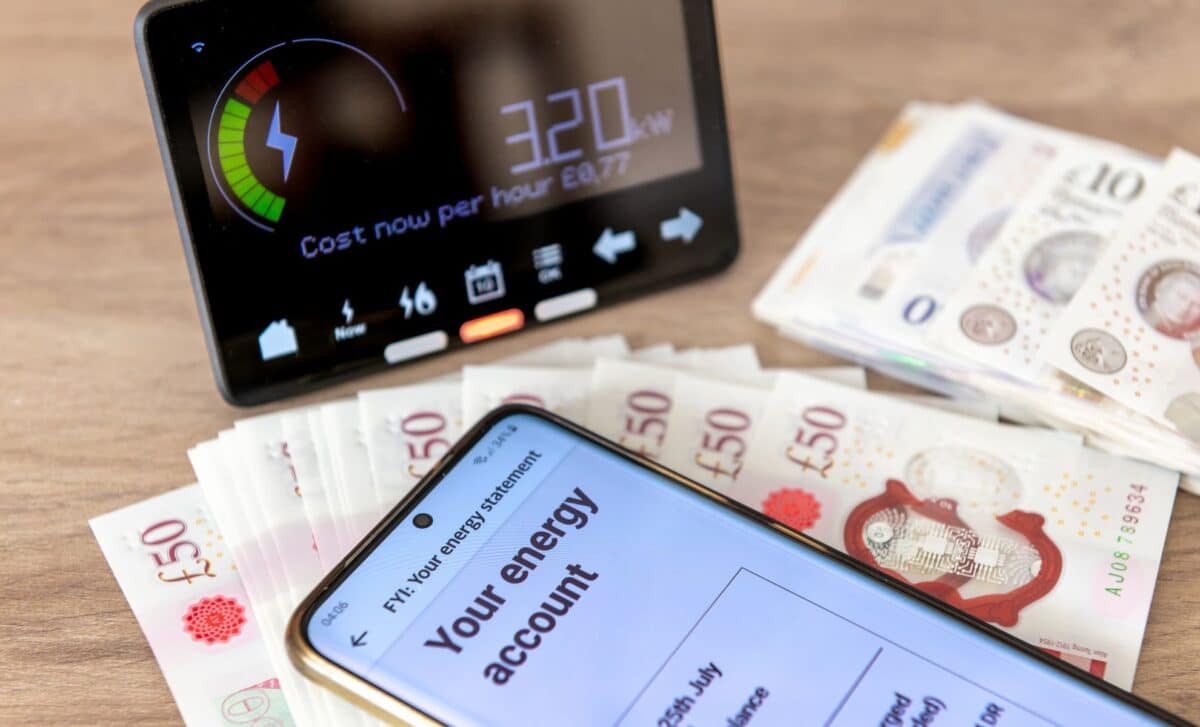
Octopus Energy has confirmed that households using its export tariffs have received an average payment of £244 per home during the last 12 months. The payments were made to customers who generated surplus electricity through domestic solar installations and supplied that power back to the electricity grid.
According to Birmingham Mail, more than 400,000 households are now signed up to Octopus Energy’s export tariffs. Together, those homes exported 825 GWh of electricity during the year, generating nearly £100 million in payments from the energy supplier.
Solar Exports Bring Payments to More than 400,000 Homes
The figures show the scale of electricity being produced by households with solar panels and then returned to the grid when it is not required in the home. Octopus Energy said the average household payment reached £244 across the period covered by the figures.
Interest in installing solar panels also rose during the warmer months. According to Birmingham Mail, almost 74,000 people contacted Octopus about solar installations during May, June and July. That represented a 34 per cent increase compared with the same three-month period last year.
Rebecca Dibb-Simkin, chief product and marketing officer at Octopus Energy, said more than 400,000 UK households on the company’s tariffs were already generating their own renewable electricity, with the number continuing to rise.
“The more we make use of our homegrown green energy sources, the less we rely on fossil fuels, and the more secure our energy system becomes,” she said. The increase in enquiries came during a period of high temperatures in the UK. The same report also linked the heatwave period with renewed calls from climate campaigners for the Government to address the causes of extreme weather and its wider energy policy.
Climate Groups Call for Action during UK Heatwaves
Hannah Martin, co-director of Green New Deal Rising, coordinated a letter to Prime Minister Andy Burnham concerning the UK heatwaves. She questioned whether the Government was being sufficiently clear about the causes of the conditions affecting the country.
“It’s barely believable as wildfires sweep the nation and drought sweeps across the country,” Martin said. “If you can’t name the problem, how will the British public trust you to come up with the solution?”
The organisations behind the letter called on the Prime Minister to recognise what they described as the scale of the climate crisis, identify its cause publicly and use his position to respond to the threat. Robert Palmer, deputy director of campaign group Uplift, also called for action. According to Birmingham Mail, Palmer said Burnham should take steps including stopping major new oil and gas drilling projects such as the Rosebank and Jackdaw fields.
“He must take urgent steps to deal with the problem,” Palmer said, arguing that further drilling would contribute to climate change and extreme weather. The comments came as Octopus Energy reported growing participation in household solar generation. Its latest figures show that hundreds of thousands of homes are already supplying electricity back to the grid, while customer enquiries about new solar installations increased during the early summer months.