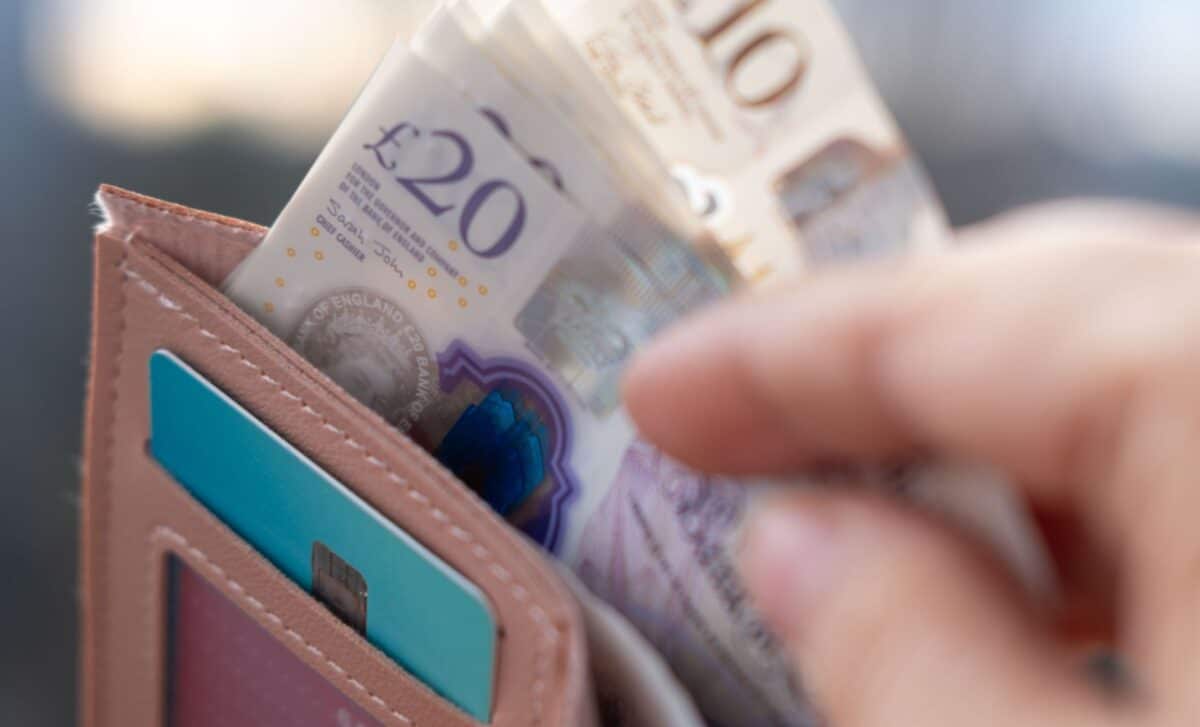
The personal allowance has remained frozen at £12,570 since 2021 despite several years of high inflation. While raising the threshold would provide some relief for taxpayers facing higher living costs, experts say any reduction in income tax would likely require other measures to offset the loss of revenue.
The debate comes as ministers face growing scrutiny over how they will finance a series of recent spending commitments. According to the Express, these include the removal of VAT on household electricity bills, a £2 bus fare cap and reduced business rates for pubs, all of which have increased expectations that the Autumn Budget could also contain tax rises or other revenue-raising measures.
Frozen Personal Allowance Remains at the Centre of Budget Speculation
Speculation has intensified that Prime Minister Andy Burnham and Chancellor John Healey are examining whether to ease the freeze on the personal allowance, which determines how much income people can earn before paying income tax. According to AJ Bell’s senior pensions and savings expert Charlene Young, increasing the allowance would be popular with households but would also represent a substantial cost to the Exchequer.
A £500 increase to the personal allowance would reduce the annual income tax bill of a basic-rate taxpayer by £100. HMRC estimates, cited by AJ Bell, suggest that every £100 increase in the personal allowance costs around £1 billion each year, placing the annual cost of a £500 increase at roughly £5 billion.
The current threshold was frozen in 2021 under former Chancellor Rishi Sunak as part of efforts to repair the public finances following the Covid pandemic. According to AJ Bell, had the allowance increased in line with inflation, it would now exceed £16,000. The firm estimates that an average taxpayer is currently paying around £700 more each year than would otherwise have been the case, with that figure approaching £1,000 by 2030-31 if the freeze continues.
Charlene Young said that unless the threshold is increased more substantially and linked to inflation once again, many taxpayers could feel that any short-term improvement falls well short of reversing previous losses.
Experts Outline Wider Tax Pressures and Alternative Options
The source also highlights that higher earners have been affected by the continued freeze in the higher-rate income tax threshold, which remains at £50,270. According to AJ Bell, if that threshold had risen with inflation it would now stand above £64,000.
The firm estimates that someone earning £75,000 is paying around £4,000 more in tax each year because of the frozen higher-rate threshold. It also notes that individuals earning more than £100,000 gradually lose their personal allowance, creating an effective marginal tax rate of 60% across part of their income.
The report states that if a proposed return of the 50% additional rate of income tax were introduced without changes to existing thresholds, effective marginal tax rates could reach 67.5% in England and Wales, and 75% in certain circumstances.
As an alternative, AJ Bell suggests that reducing employee National Insurance by one percentage point would cost around £5.8 billion annually while delivering greater savings for many workers. According to the firm’s calculations, an employee earning £35,000 would save around £225 a year, although pensioners would not benefit because they do not pay National Insurance. AJ Bell also points to previous HMRC analysis, which concluded that the former 50p additional rate raised less revenue than originally expected because some higher earners altered their financial behaviour.