
British households could be indirectly subsidising energy costs in France under Sir Keir Starmer’s EU reset deal, as surplus wind power generated in the UK is exported through cross-border electricity links, according to warnings from energy suppliers.
Wind Surplus Exported to Europe Under Existing Rules
The UK increasingly generates excess electricity from wind during periods of strong output. When supply exceeds domestic demand, the surplus power is exported through interconnectors to neighbouring countries, including France and the Netherlands.
Because wind generation receives government-backed subsidies, critics argue that UK consumers are effectively helping fund electricity that is later sold abroad. This raises concerns over whether domestic energy bills are indirectly supporting foreign energy use through existing market mechanisms.
EU Electricity Market Link Raises New Concerns
Energy firms have warned that closer integration with the EU electricity market could increase cross-border energy flows further. While supporters argue that linking systems improves trading efficiency, critics say it could amplify existing structural issues in pricing and distribution.
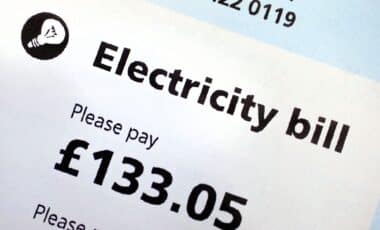
Industry estimates suggest inefficiencies in the current system could cost UK consumers up to £16 billion between 2030 and 2050, averaging around £770 million per year, reports Telegraph. These costs are linked to grid constraints and how renewable subsidies interact with export pricing.
Debate Over “Double Payment” Effect
Some industry voices claim the system can lead to what they describe as a “double payment” effect, where renewable generators receive subsidies and then sell surplus electricity into European markets. Critics argue this means UK households carry a disproportionate share of system costs.
Opponents of the current structure say this arrangement risks increasing pressure on energy bills, particularly during periods of high renewable generation when exports are more frequent.
Potential Savings and Opposing Views
Supporters of closer EU energy cooperation argue that integration could deliver benefits through more efficient electricity trading and reduced wholesale costs. Estimates suggest potential savings of around £370 million per year on wholesale electricity prices.
However, analysts caution that such savings may not directly translate into lower household bills, as retail prices are influenced by multiple factors including taxes, levies and network costs.
Grid Limitations at the Centre of the Issue
The underlying challenge remains the capacity of the UK electricity grid. In many cases, transmission bottlenecks prevent excess renewable power from being efficiently distributed within the country, forcing exports during peak production periods.
Energy experts argue that upgrading domestic infrastructure could reduce reliance on exports and improve the efficiency of the system, potentially lowering long-term costs for consumers.
Ongoing Political and Industry Divide
The Government maintains that its energy strategy is focused on long-term stability and decarbonisation, while critics argue that current arrangements may be placing unnecessary costs on UK consumers.
Industry groups remain divided, with some calling for reform of subsidy structures and grid investment, while others support deeper integration with European energy markets as a way to improve efficiency.
The long-term impact of the UK-EU energy agreement will depend on how these structural issues are addressed alongside future investment in renewable capacity and grid modernisation.