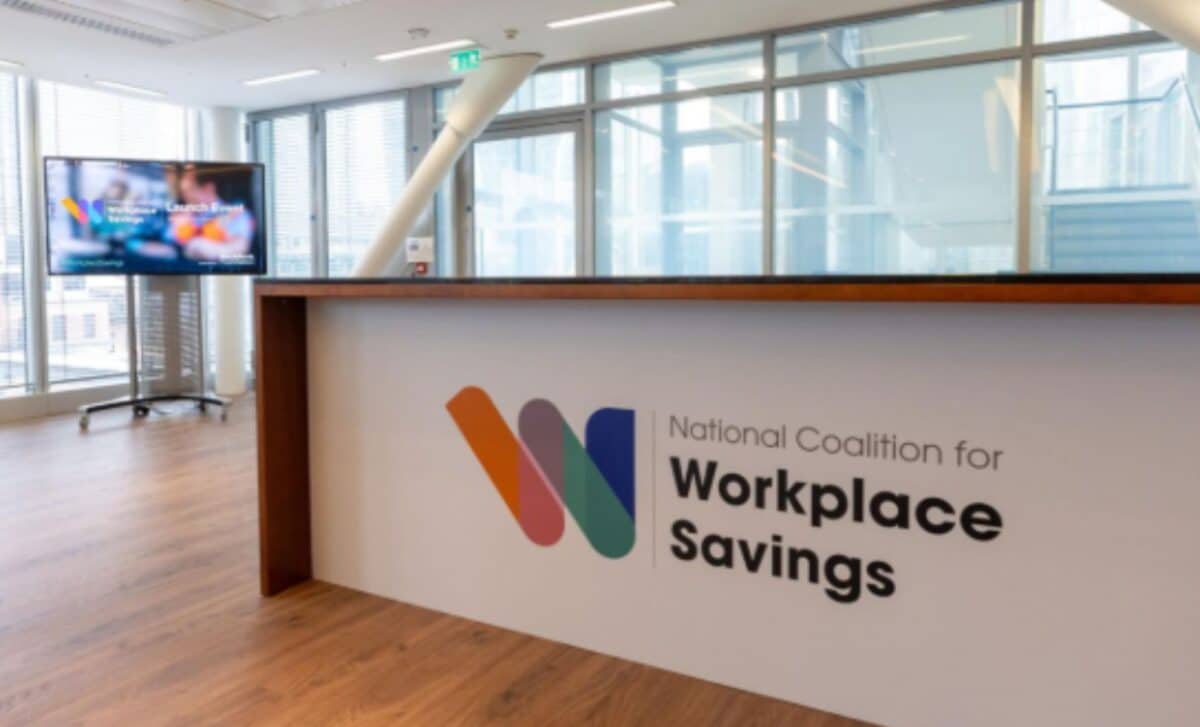
The programme is designed to help people set aside regular contributions directly from their pay into accessible savings accounts. According to government figures cited in the announcement, the initiative seeks to reduce reliance on high-cost debt and support households facing unexpected financial shocks.
Workplace Coalition and Participating Employers
The National Coalition for Workplace Savings spans a range of industries including retail, hospitality, transport, facilities management, the public sector and charities. According to the Press Association, it collectively represents around 400,000 workers across participating organisations. Among the employers involved are the Co-op, First Bus, Next, the Department for Environment, Food and Rural Affairs, Travelodge, Mitie and StepChange.
Rachel Blake, the Economic Secretary to the Treasury, told the Press Association that the initiative is focused on encouraging people to build a consistent savings habit. She said having even modest funds available for unexpected events, such as household breakdowns or changes in working hours, can ease financial strain and reduce pressure on households.
The coalition has been introduced through the Government’s financial inclusion strategy, with officials stating it is intended to increase uptake of workplace savings schemes and encourage more employers to take part. Claire Costello, chief people officer at the Co-op Group and chair of the coalition, said the programme reflects growing evidence that structured workplace saving can help people improve financial stability over time.
How Workplace Savings Schemes Are Intended to Work
Workplace savings schemes typically allow employees to divert a chosen amount of their salary directly into a separate savings account via payroll. According to organisations involved in the initiative, the accounts are designed to remain easy-access, meaning workers can withdraw funds when needed without penalties or waiting periods.
Rachel Blake told the Press Association that embedding saving into payroll processes makes participation more straightforward, as it reduces the need for individuals to actively set money aside each month. She said this approach is intended to help build long-term saving habits among people who might otherwise struggle to save consistently.
Ms Blake also highlighted concerns about the number of people without any financial buffer, noting that the initiative aims to increase both participation in savings schemes and the overall level of household savings.
Sarah Williams, chief people officer at OCS UK & Ireland, said everyday unexpected costs, such as vehicle repairs or school expenses, can quickly place pressure on household budgets. She said workplace savings schemes are designed to reflect how people manage money in practice, offering a structured way to cover short-term financial gaps without turning to borrowing.
The coalition is encouraging employers across the UK to join through its website or via organisations including the Money and Pensions Service, Nest Insight and TISA, as part of wider efforts to expand financial inclusion and workplace-based saving opportunities.