

Some older state pensioners are set to receive up to £1,479.20 in June payments, as the Department for Work and Pensions (DWP) confirms a rare calendar timing that leads to two state pension payments landing in the same month for certain recipients. The situation affects pensioners on specific payment schedules linked to their National Insurance numbers.
Why Some Pensioners Receive Two Payments in June
Although the state pension is often described in weekly terms, payments are actually issued every four weeks. This means that in some months, depending on the calendar, pensioners can receive more than one payment within the same period.
In June 2026, the structure of the month means that some recipients will receive two separate four-week payments, effectively doubling their monthly intake. For eligible older state pensioners, this brings the total to £1,479.20, based on the basic rate.
Who Will Receive the Double Payment
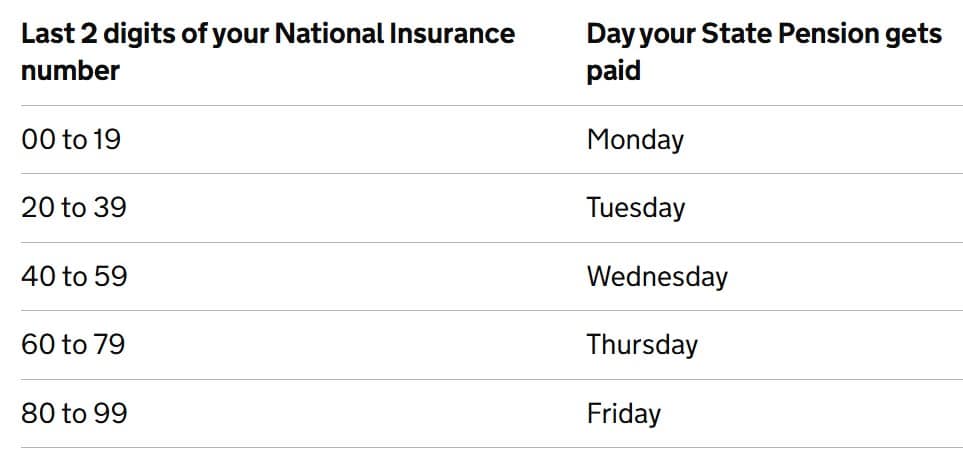
Eligibility depends on the final digits of a pensioner’s National Insurance number, which determine the payment schedule. Those with numbers ending between 20 and 39 are typically paid on Tuesdays. Because June includes five Tuesdays, this group is among those most likely to receive two payments within the same month.
The DWP confirmed that payments remain based on full National Insurance contributions. Pensioners with incomplete records will receive reduced amounts depending on their entitlement.
Older State Pension Rates Explained
Older state pensioners who retired before April 2016 receive a lower basic rate than newer pensioners. The current weekly rate stands at £184.90, compared with £241.30 under the new state pension system.
Despite this difference, some older pensioners may receive additional income through historic schemes such as SERPS or the Second State Pension, which can increase overall weekly payments. These schemes are no longer open to new entrants but continue to pay out to those previously enrolled.
Pension Credit and Income Support
Some pensioners may also be eligible for Pension Credit, which tops up weekly income to around £238 per week for those on low incomes. However, eligibility depends on savings, earnings, and other sources of income such as private pensions or investment returns.
Officials stress that Pension Credit is designed to support pensioners with limited income, ensuring a minimum standard of living in retirement.
Tax Changes and Future Rules
The government has also indicated future changes regarding taxation of state pensions. Pensioners earning below the £12,570 personal tax allowance may not owe tax on their state pension if they have no additional income, although final details have not yet been confirmed.
Additional State Pension payments, however, are expected to remain taxable under existing rules.
What This Means for Pensioners
While the £1,479 figure applies only to specific cases, the timing of June’s payment schedule highlights how pension income can vary depending on payment cycles. For some pensioners, it results in a temporary boost, while for others payments remain unchanged.