UK shoppers face rising costs as ministers refuse to scrap the £2 billion packaging tax, officially called the Extended Producer Responsibility (EPR) regime. The move is expected to push up prices on everyday food and drink items, adding to financial pressure for households already struggling with higher living costs.
How the Packaging Tax Works
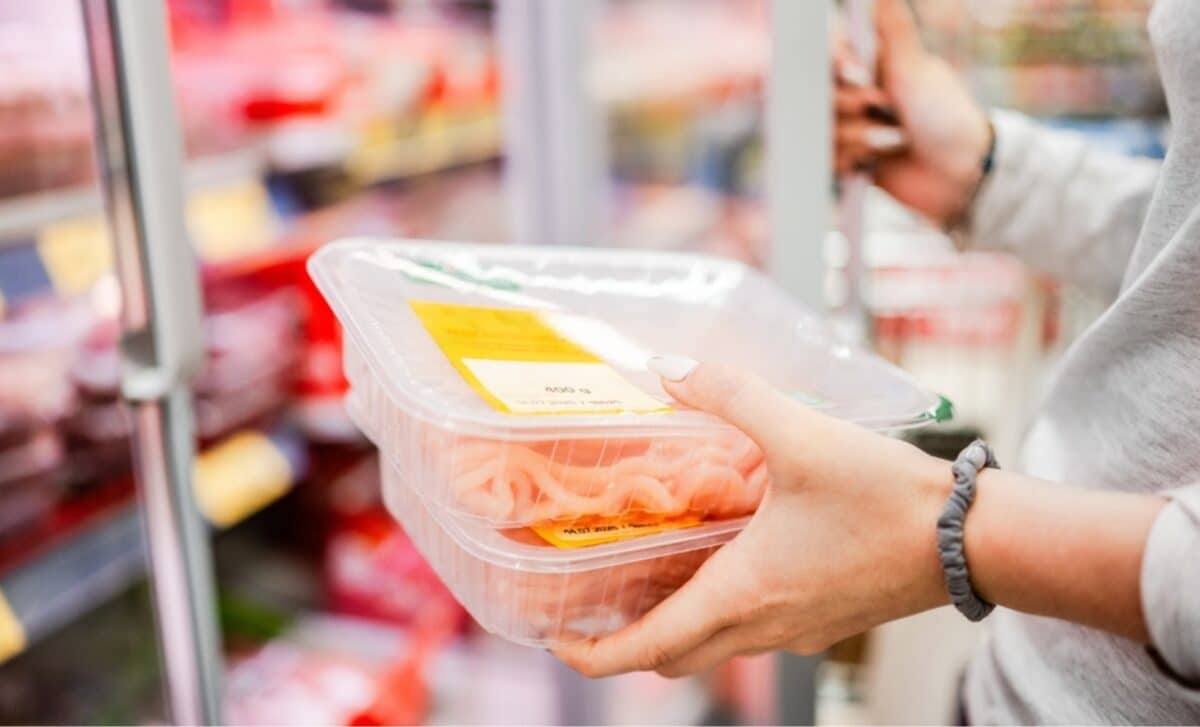
EPR is designed to shift the cost of waste management from taxpayers to producers. Around 80% of the tax is added directly to the price of goods, earning it the nickname “shopping stealth tax.” Items such as coffee cups, soup containers, juice cartons, and plastic packaging will see price increases of 15–19%, according to industry estimates.
The money collected is directed to local authorities, but councils are not required to spend it specifically on recycling. Many are using the funds to support other services, including social care, planning, and education. Some local officials have welcomed the scheme as a boost to council budgets.
Struggles in the Glass Sector
The UK glass industry, which employs 120,000 people and contributes £2 billion to the economy, is under significant strain. Companies such as Encirc, which produces roughly a third of UK glass bottles, have warned that the tax threatens planned investment. Encirc is considering halting £500 million of upgrades for net zero compliance, citing the disproportionate EPR costs.
Glass represents just 5% of the packaging market but is due to pay 27% of EPR fees, as the tax is calculated by weight. Industry leaders warn this imbalance could accelerate declines in domestic production, increase imports, and discourage further investment in UK manufacturing.
Impact on Retailers
Supermarkets are also affected. While much of the tax can be passed on to consumers, retailers still face tens of millions of pounds in additional costs. Some executives say the EPR levy could increase their expenses by about a fifth, outweighing other pressures from the supply chain and inflation.
Defra insists that EPR is essential to move waste management costs away from taxpayers, generating over £1 billion annually and supporting 25,000 jobs. Officials note that the tax on glass packaging will slightly fall when the regime is reset in June, but projections indicate only a 1% reduction, offering limited relief to manufacturers.
Outlook for Consumers and Industry
Despite government assurances, trade bodies warn that without reform, investment in UK manufacturing could flow overseas. Shoppers will likely see the cost of everyday goods rise, while glass manufacturers face uncertainty over production and investment. The EPR regime is intended to promote sustainability, but critics say it comes at a steep economic cost to households and industry alike.