Thousands of UK savers are being forced to pay tax they do not owe after HM Revenue and Customs (HMRC) incorrectly adjusted their tax codes. The problem affects interest earned on savings, including money in tax-free ISAs, leaving households with unexpected bills.
How the Error Started
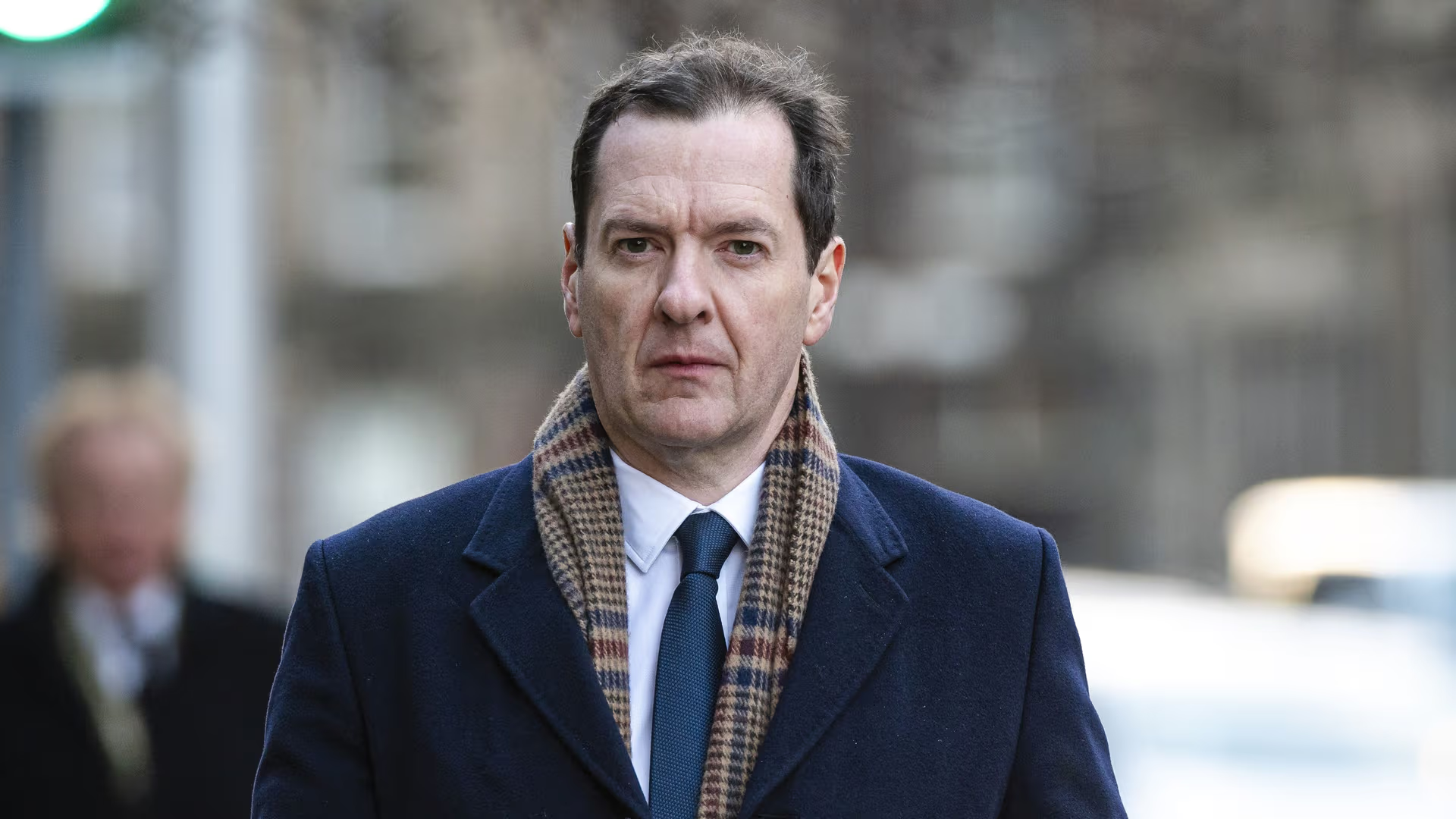
The issues date back to 2015 when Chancellor George Osborne announced the Personal Savings Allowance, effective April 2016. HMRC was granted the power to adjust PAYE tax codes to reclaim tax it believes is owed on savings interest.
Under the rules, basic-rate taxpayers can earn up to £1,000 in interest per year tax-free, while higher-rate taxpayers have a £500 allowance, and additional-rate taxpayers receive none. Money held in ISAs remains fully tax-free.
Scale of the Problem
The thresholds have been frozen, while interest rates have risen, causing more savers to fall into HMRC’s net. For the current financial year, 2.64 million people are expected to face tax on savings interest, compared to 647,000 in 2021/22.
HMRC has been aware of some errors since at least 2020. In 2022, the Parliamentary and Health Service Ombudsman confirmed “failings” in how the department recorded bank interest for a pensioner dating back to 2018.
Experts Warn Savers to Check Figures
Sarah Weston from the Low Incomes Tax Reform Group says to The Sun, “It is important that taxpayers do not assume any figures received from HMRC are correct. We urge them to check any savings interest figures included in their PAYE coding notice or end of year tax calculations against their own records and contact HMRC if something does not look right.”
James Daley, managing director of Fairer Finance, added that such errors undermine confidence in the tax system. “People should be able to have confidence that the taxman can get its sums right,” he said.
Upcoming Reforms
From April 2027, banks will be required to collect National Insurance numbers from savers to report interest directly to HMRC. The department claims this will help ensure tax bills are correct from the start.
Andrew Hagger, founder of MoneyComms, advises affected savers to gather their interest records and report discrepancies to the Financial Ombudsman if HMRC calculations are wrong.
HMRC Response
A spokesperson for HMRC said: “We don’t want anyone to overpay or underpay tax, so we update tax codes based on the most recent data available and work with financial institutions to get information in as close to real time as possible.”
The issue highlights a wider challenge: as interest rates rise and more savers earn money from deposits, HMRC’s systems must be accurate and reliable to prevent unfair overpayments that can cost families thousands.