
Major UK supermarkets including Aldi, Lidl, Tesco, Asda, Sainsbury’s and Morrisons must now comply with updated pricing regulations designed to make product comparisons easier for shoppers. The reforms, which came into effect in April 2026, revise how retailers display unit prices, loyalty discounts, and promotional labels on shelves.
The changes update the long-standing Price Marking Order 2004 and follow growing concern over “shrinkflation,” where products are reduced in size while prices remain unchanged or increase. According to reporting from the Express, the revised rules aim to improve transparency across a broader range of everyday household goods.
The legislation applies to large retailers and supermarkets, while smaller convenience stores with floor space below 280 square meters remain exempt. Retailers have also been given guidance on how loyalty pricing and promotional offers must now appear in stores.
New Pricing Standards Target Clearer Product Comparisons
Under the revised Price Marking Order, supermarkets are now required to standardize the way unit prices are displayed on shelves. Retailers can no longer mix different units of measurement for comparable products, such as pricing one item per kilogram and another per gram on the same shelf.
According to Herrington Carmichael, the reforms now require labels to display measurements using kilograms, liters, meters, square meters, or cubic meters. The changes are intended to help shoppers make direct comparisons between products sold in different quantities or package sizes.
The reforms also expand unit pricing obligations to a wider range of packaged goods. Cereals, pasta, dried fruits, detergents, cleaning products, and cosmetics are among the additional categories now covered by the legislation.
The government delayed the implementation of the updated guidance until April 2026 after initially planning to introduce the changes in 2025. The postponement gave retailers additional time to prepare for compliance.
The issue has drawn attention in recent years as manufacturers increasingly reduced package sizes without lowering prices. According to the Express, the practice became widely associated with shrinkflation across common grocery products, including chocolate items and butter tubs. Last year, Asda was reported to have sold products that breached the previous pricing guidance for several weeks before updating shelf labels and issuing an apology.
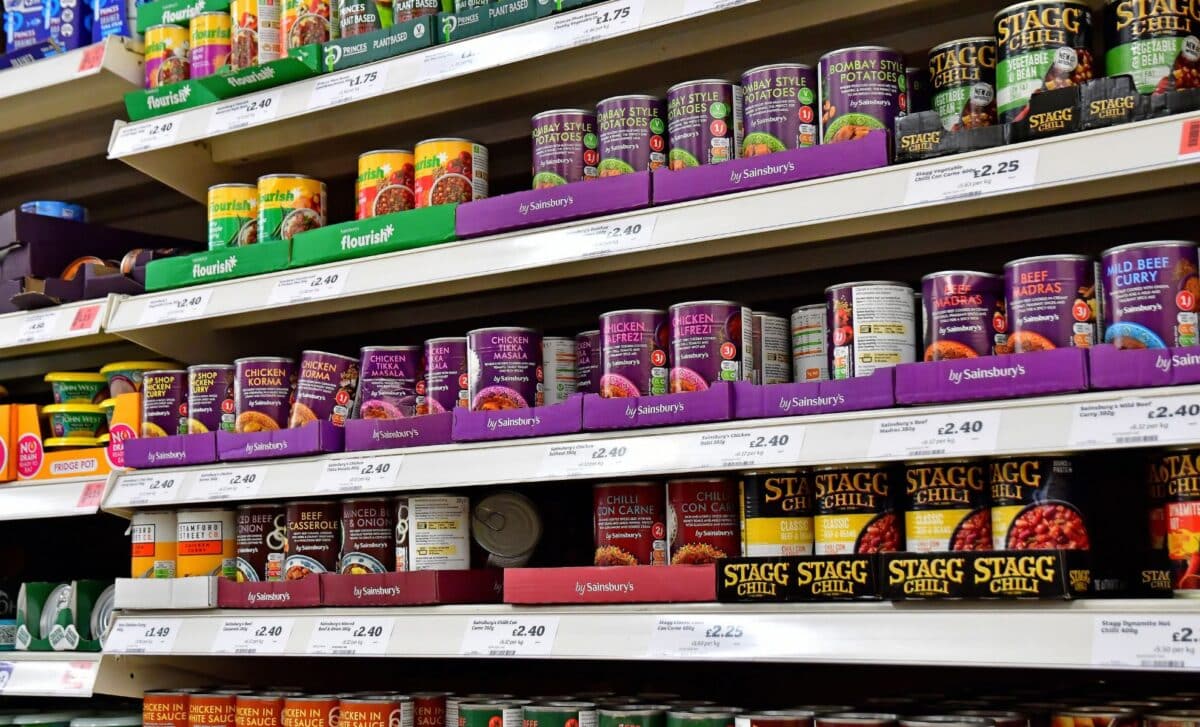
Loyalty Discounts and Shelf Labels Now Face Stricter Oversight
The updated regulations also place new requirements on supermarket loyalty pricing schemes, including Tesco Clubcard and Sainsbury’s Nectar offers. Retailers must now display standard prices and loyalty prices together on shelf labels where multiple prices apply.
According to Herrington Carmichael, businesses must also clearly explain eligibility conditions for discounted loyalty pricing and ensure that one price is not given “undue prominence” over another. The rules apply where unit pricing is required, meaning corresponding unit prices must also be displayed for both offers.
The legislation also introduces revised definitions linked to deposits and promotional reductions. Retailers can still advertise blanket discounts, such as percentage reductions across product ranges, without changing every individual shelf label.
The legal guidance states that the reforms are intended to strengthen consumer transparency and support informed purchasing decisions. According to Herrington Carmichael, the updated framework clarifies how prices should appear when promotions, discounts, and loyalty schemes are involved. While the reforms affect major supermarket chains across the UK, smaller independent stores and convenience retailers below the size threshold are not required to adopt the new standards.