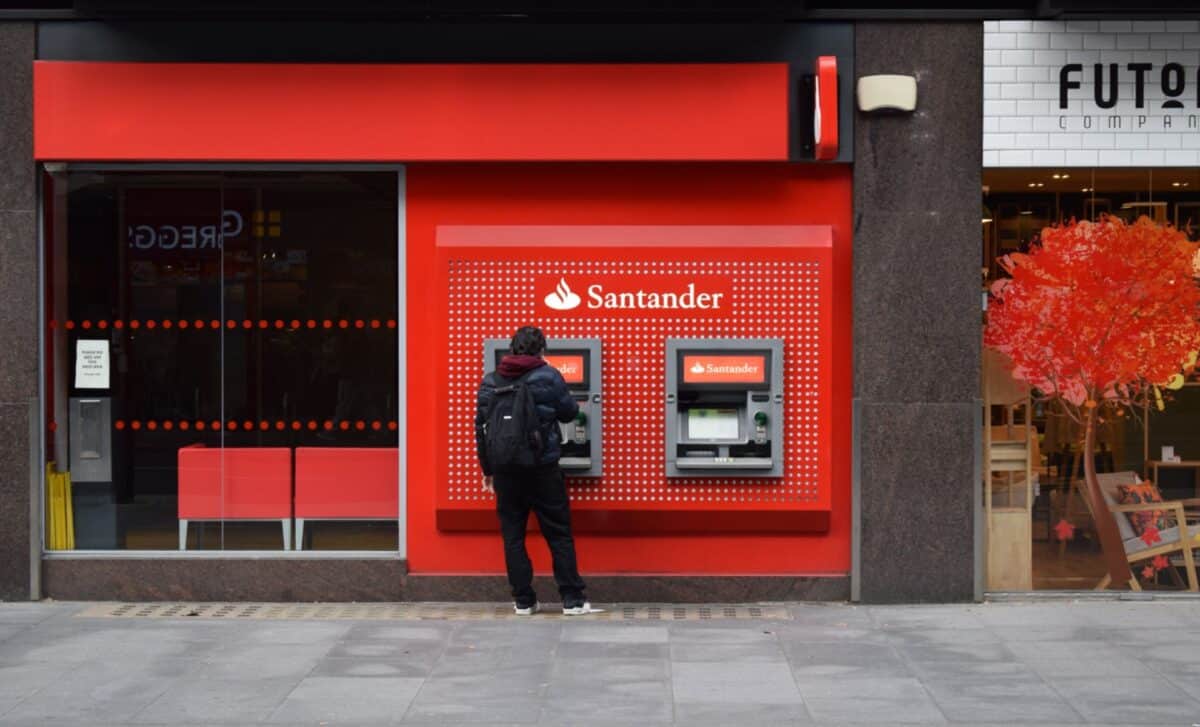
Santander has issued a warning to customers about a rise in ticket scams linked to concerts, festivals and football matches, after reporting average losses of £183 per victim in late 2025. The bank said fraudsters are increasingly targeting people through social media platforms and unofficial resale offers.
The alert comes as new figures show fraud remains a major financial threat across the UK. According to UK Finance, more than £629 million was lost to scams and payment fraud during the first half of 2025, with over two million reported cases recorded between January and June.
Santander contacted customers directly by email this week, outlining common warning signs associated with ticket scams and advising users to avoid rushed purchases or unofficial payment methods. The bank also urged customers to act quickly if they believe they have been targeted.
Santander Highlights Common Warning Signs in Ticket Scams
According to Santander, scammers are commonly using social media applications to advertise fake or non-existent tickets for major events. The bank said customers should be cautious when tickets are offered significantly cheaper than elsewhere or when sellers attempt to create urgency around a sale.
The warning identified several patterns regularly associated with fraudulent activity. These include sellers providing photos as “proof” that tickets exist, requests for payment through bank transfer or “friends and family” options, and attempts to move conversations away from official resale platforms.
Santander told customers: “If there’s any sense of urgency, take a moment to stop and consider whether it could be a scam.”
The bank also advised users to buy tickets only through official websites or authorised resale services. Customers were warned against sending money directly to individuals they do not know and encouraged to check that websites begin with “https” before making payments.
According to the bank’s guidance, some football ticket resales are illegal, and supporters should buy directly from clubs or official partners. Santander added that suspicious links in text messages or emails should also be avoided.
The bank stated that it would never ask customers to log into online or mobile banking through a link, nor request passwords or security details through messages. Santander said legitimate communications may include the final four digits of an account or card number, or the final three characters of a postcode.
© Shutterstock
Fraud Cases Continue to Rise across the UK
The Santander alert was issued against a backdrop of rising fraud reports nationwide. According to UK Finance figures cited in the reports, £629.3 million was lost through scams and payment fraud during the first six months of 2025 alone.
The same figures showed that more than two million fraud cases were reported between January and June 2025, representing a 17 per cent increase. Victims lost an average of around £300 per case, while two-thirds of all fraud cases began online. Santander said the average ticket scam loss during the fourth quarter of 2025 stood at £183, describing it as “money meant for your big day out”.
Customers who suspect they have been scammed were advised to contact the bank immediately through the mobile banking app or by calling the number printed on the back of their card. Santander said: “The sooner you contact us, the more we may be able to help.” The bank also directed users to its Fraud Hub, accessible through the Fraud and Security Centre section of its mobile app, where further information about scams and fraud prevention is available.