
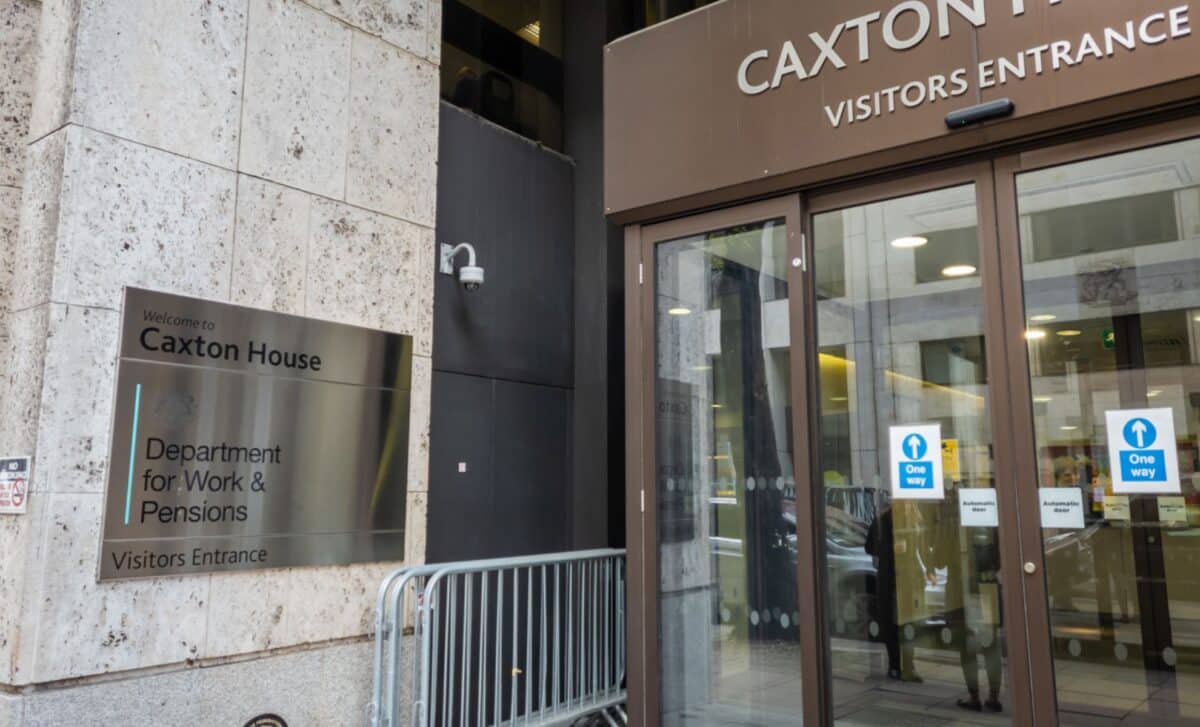
The Department for Work and Pensions (DWP) is to be handed significant new enforcement powers, including the ability to temporarily remove driving licences from benefit claimants who fail to repay money they owe. The measures form part of a wide-ranging effort to reduce fraud across the welfare system and recover billions of pounds lost each year.
Officials have indicated that the driving licence sanction is intended as a lever to encourage non-compliant claimants to engage with the department and settle outstanding debts, rather than as a routine penalty.
Driving Bans Reserved for the Most Serious Cases
The power to disqualify individuals from holding a driving licence will not be applied broadly. According to the DWP, it would function as a last resort, targeted specifically at cases “where individuals have persistently and deliberately evaded repayment of debt.”
Crucially, the measure requires court involvement. The DWP would need to apply to a court, which would then have to be satisfied that the debtor had the means to repay and had chosen not to do so without good reason. That judicial threshold means the power cannot be exercised unilaterally by the department.
The new enforcement tools will apply primarily to households claiming Universal Credit, Employment and Support Allowance, and Pension Credit, three of the most widely claimed benefits in the country.
Alongside the driving licence provision, the DWP confirmed that it now has the ability to recover money directly from a claimant’s bank account. Under the updated rules, the department can issue a direct deduction order to a bank, compelling it to deduct repayments from an individual’s account without requiring the claimant’s consent.
Banks Drawn into the Crackdown amid Privacy Concerns
Financial institutions are also being brought into the government’s anti-fraud effort. Banks will be required to share information about certain claimants’ accounts to help determine whether those individuals are genuinely eligible for the benefits they are receiving.
The measure raises the prospect of the state having broader access to personal financial data than has previously been the case in welfare enforcement, a development that has already drawn criticism from campaigners.
Privacy advocates have argued that the government is overreaching in its approach, with concerns centred on the scale of data sharing and the potential for intrusion into the finances of people who may not be engaged in any wrongdoing. The DWP has not yet provided detailed guidance on the safeguards that will govern how that bank account data is handled or stored.
The government’s position is that the measures are necessary to address what it describes as a significant and ongoing drain on public finances, with billions of pounds lost to benefit fraud each year. Officials view the combination of financial penalties, direct deductions, and the threat of driving disqualification as creating a more effective deterrent than existing tools have allowed.