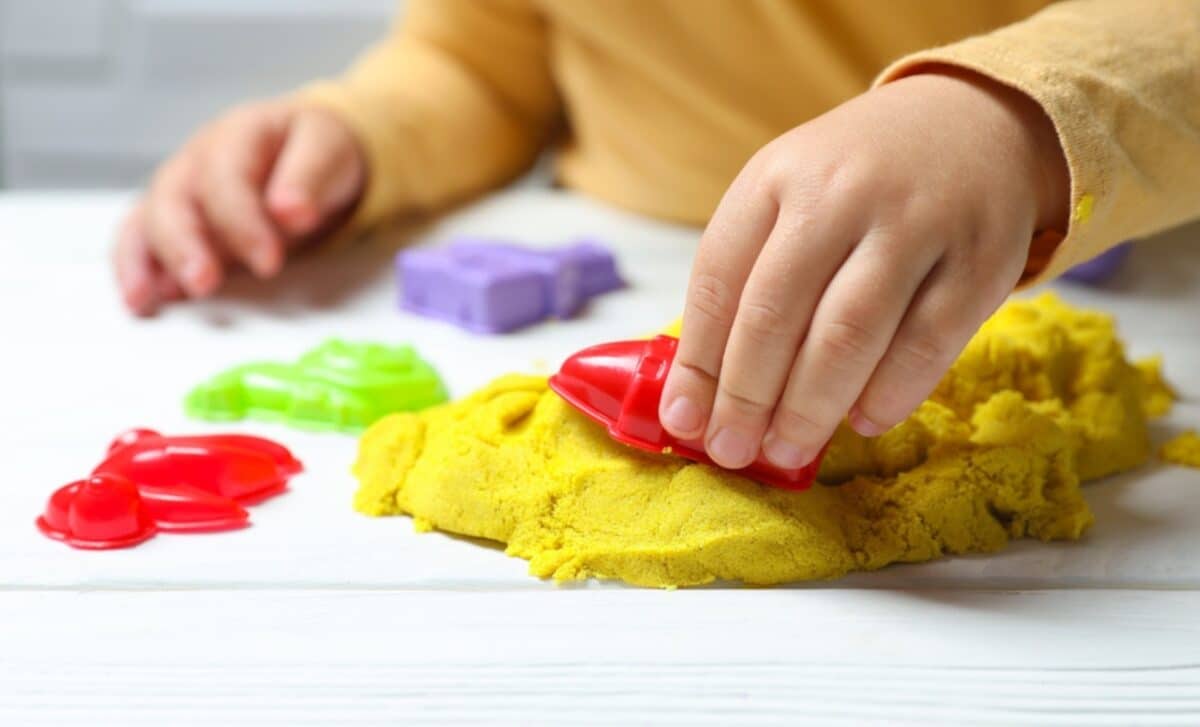
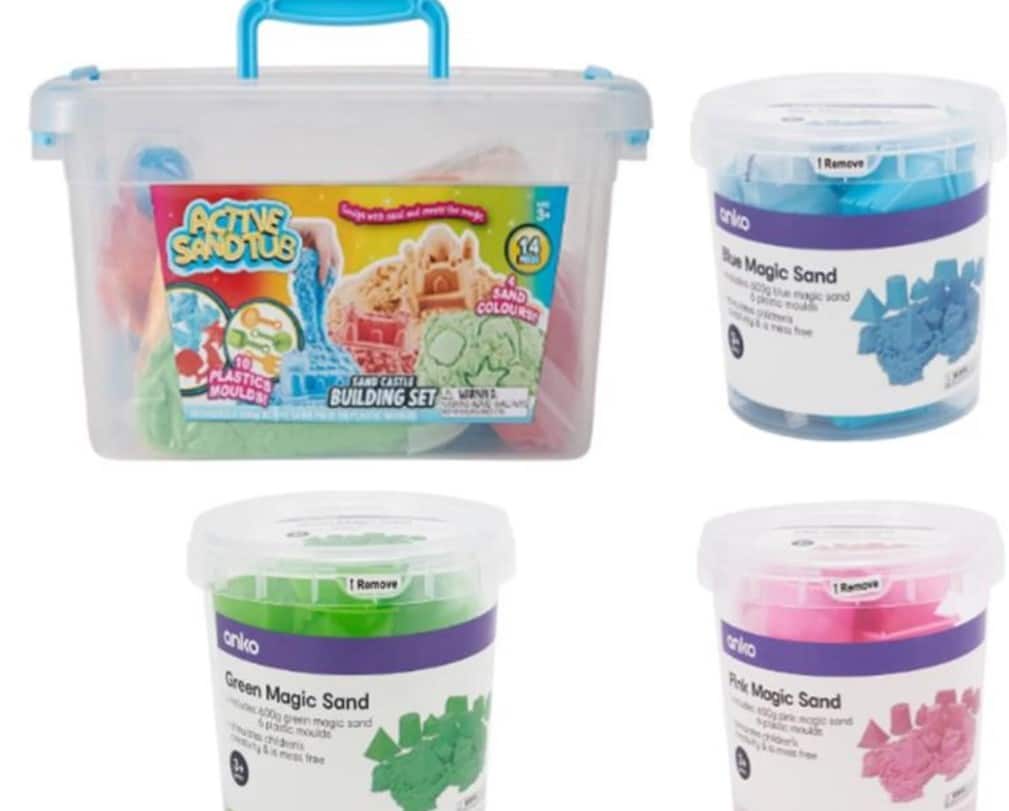
More than 30 children’s toys have been recalled across the UK after traces of asbestos were found in play sand used inside several products. Major retailers including Tesco, Primark, Matalan and M&S are affected, raising concerns about product safety and oversight.
A Contamination Linked to Imported Play Sand
The issue appears to stem from play sand sourced from China, where asbestos fibres can occur naturally in certain mines. In the UK, the presence of asbestos in any consumer product is strictly prohibited due to long-term health risks.
The first alert came earlier this year, when a craft kit sold by Hobbycraft was withdrawn after a customer raised concerns, reminds The Guardian. Tests later confirmed contamination in bottles of coloured sand, triggering further investigations and recalls.
A Growing List of Affected Products
Since the initial discovery, recalls have expanded to include a wide range of items, from candle-making kits to stretchy rubber toys. Many of these products had previously been certified as safe, which has raised questions about existing testing methods.
Laboratories have since reported a sharp increase in testing requests, as retailers and manufacturers attempt to verify the safety of their products. More advanced testing techniques have revealed contamination that earlier checks failed to detect.
Concerns Over Safety Checks and Regulation
Consumer groups have expressed concern about what they describe as gaps in safety controls. The scale of recent recalls suggests that some contaminated products may have remained on sale for longer than expected.
There are also concerns about online marketplaces, where oversight can be more limited. Campaigners warn that without stricter monitoring, similar products could still be circulating beyond traditional retail channels.
A Wider International Issue
The problem is not limited to the UK. Similar contaminated sand products led to recalls and even temporary closures of schools and nurseries in Australia and New Zealand. Despite those incidents, comparable items continued to be sold in parts of Europe.
In the UK, authorities have issued updated guidance to businesses on testing methods, encouraging the use of more reliable detection techniques.
What This Means for Consumers
Retailers have advised customers who purchased affected products to stop using them and follow recall instructions. In some cases, this includes sealing items securely and seeking guidance on safe disposal.
The situation highlights how supply chains and testing standards can directly affect everyday products. For families, it serves as a reminder to stay informed about recalls and product safety alerts, especially when it comes to items used by children.