
The Oxford-based company had expanded internationally but struggled with sustained losses abroad. Nearly three-quarters of its workforce have been made redundant as administrators begin winding down operations.
The collapse of EO Car Chargers marks a notable setback for a company that had built a presence across dozens of international markets. Once responsible for tens of thousands of electric vehicle charging installations, the firm is now entering an orderly wind-down under the supervision of administrators.
The development highlights ongoing pressures within the electric vehicle infrastructure sector, particularly for companies attempting rapid overseas expansion. It also comes amid broader financial strain affecting related businesses in the UK energy technology space.
Overseas Expansion and Mounting Losses
EO Car Chargers entered administration in early April after experiencing what it described as “challenging trading conditions in recent years”. According to reporting from regional business outlets, the company had been operating at a loss across several international markets, including the United States, Australia, New Zealand and Italy.
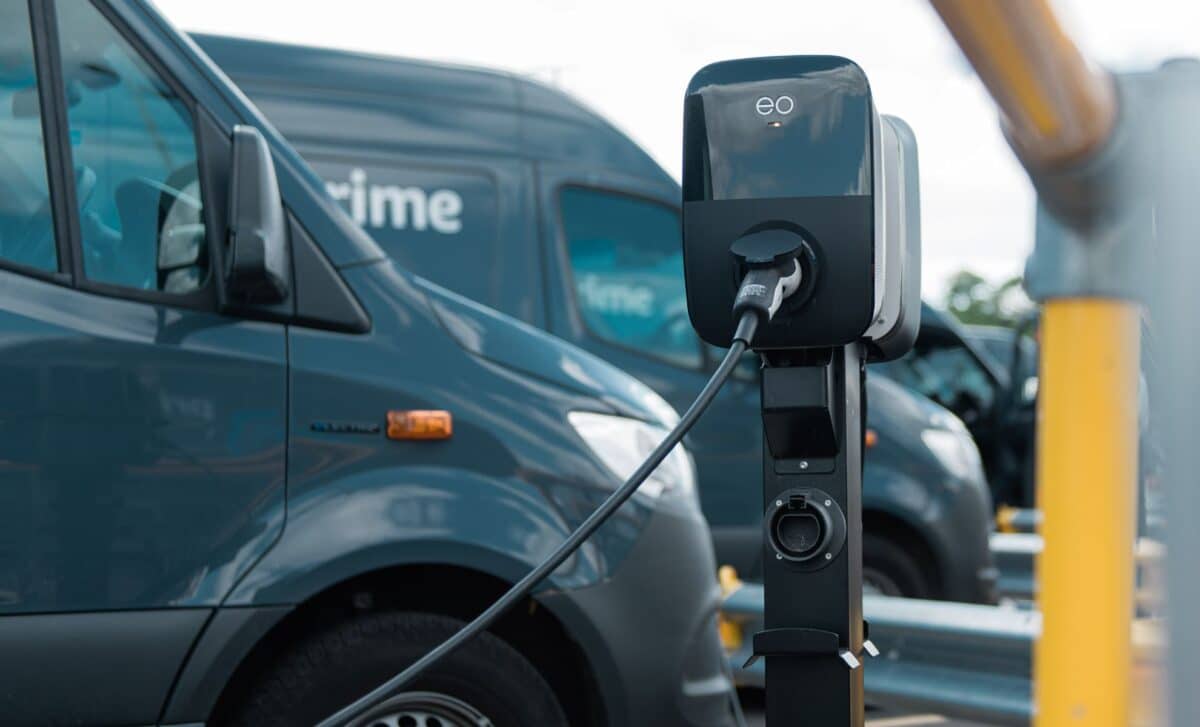
The firm, which traded as Juuce Limited, had built a substantial global footprint. It manufactured more than 85,000 charging units and deployed approximately 13,000 commercial charging stations across around 35 countries. Its services extended beyond hardware to include software platforms and continuous repair and support systems.
Despite this reach, the company’s international strategy appears to have placed sustained pressure on its finances. According to statements from the appointed administrators at PwC, the business had become loss-making following its overseas expansion, ultimately leaving it unable to continue trading.
The impact on staff has been significant. Of the company’s 93 employees, 69 have been made redundant, with the remaining workforce retained temporarily to assist in winding down operations and supporting existing customers.
Administration Process and Sector Context
Edward Williams, joint administrator and partner at PwC, confirmed the company had no alternative but to enter administration. He stated that efforts are now focused on ensuring a smooth transition for customers to alternative suppliers, while attempting to maximise the value of the company’s remaining assets.
According to Williams, the retained employees will play a role in maintaining continuity during this process before the business is formally closed. Alongside him, Ross Connock and Victoria Hatton were also appointed as joint administrators on 8 April.
The collapse comes shortly after another UK-based energy technology firm, GivEnergy Ltd, also entered administration. According to financial filings, that company reported revenues of £50.3 million but held cash reserves of just £41,470, alongside a post-tax loss of approximately £5.4 million for the year ending December 2024. This followed a profitable year in 2023, when it recorded £4.8 million in profit.
While the two cases differ in detail, both underline financial volatility within the sector, particularly for firms balancing growth ambitions with operational costs. EO Car Chargers’ situation reflects the risks associated with rapid international expansion in a competitive and evolving market. For now, the focus remains on managing the company’s closure and supporting affected employees and customers as the process unfolds.