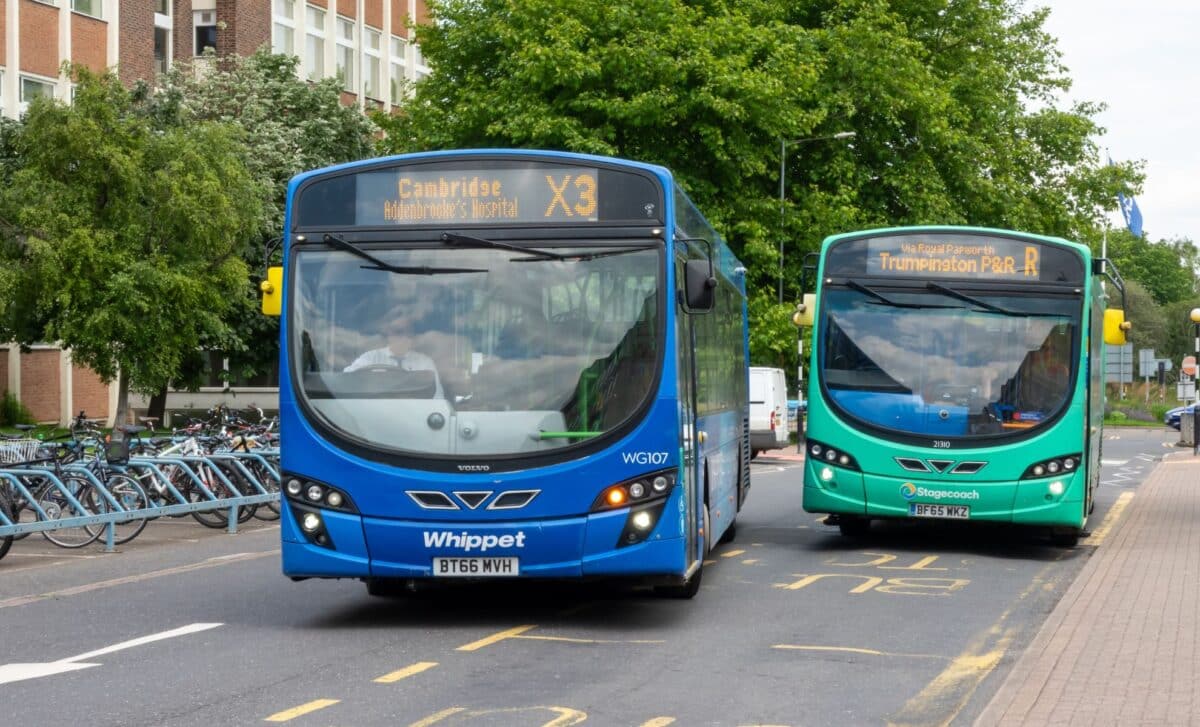
The proposal, which aimed to mirror Scotland’s existing scheme, was seen as a chance to boost employment, education, and social mobility in underserved areas. Its cancellation has sparked frustration among MPs and commuters alike, highlighting growing regional inequalities and casting fresh doubt over the future of bus transport in England.
A Long-Awaited Initiative Put On Hold
A proposed plan to offer free bus passes for under-22s in England has been abandoned, following a government decision that labelled the scheme “unaffordable”. Initially recommended by the Transport Committee in August, the initiative aimed to reduce travel costs for young people and improve access to education and employment.
Modelled partly on Scotland’s successful programme, the English trial was expected to support those in rural and underserved communities, areas where limited public transport has long been a barrier to opportunity. But in a response published Friday, the government confirmed that no funding would be allocated to the scheme within the current spending period, which runs until 2028/2029.
Pressure Builds as Regional Inequalities Persist
According to BBC News, cross-party MPs behind the proposal expressed disappointment at what they called a missed opportunity. Committee chair Ruth Cadbury criticised the Department for Transport for “lacking in ambition” and failing to address “the consequences of poor connectivity”, particularly for young people and vulnerable communities.
“Young people are unable to get their first jobs or take exhausting journeys to reach school or college,” she said, pointing to evidence gathered during the committee’s inquiry. “Older and disabled people feel isolated and depressed and high streets are starved of customers.”

The move has also sparked criticism from young commuters. Gracie Moore, a 22-year-old worker from Slough, told the BBC she spends around £120 per month on bus fares and described the decision as “disappointing”, highlighting how inflation continues to disproportionately affect younger people.
In contrast, Scotland’s free bus pass scheme, rolled out in 2022, allows all residents aged 5–21 to travel free across the country’s bus network with a National Entitlement Card. The Scottish Government describes the policy as a tool for addressing child poverty and improving access to opportunity.
Reform Efforts Continue Amid Economic Decline
While the free travel scheme will not go ahead, the Bus Services Act passed into law this week introduces new requirements for operators and gives more powers to local authorities. It places tougher conditions on cancellations and enables local franchising, measures designed to stabilise services and improve passenger experience.
Transport Secretary Heidi Alexander described the law as a way to put “passengers first” and make it “easier for local leaders to take control of their buses”. Training will also be provided to bus drivers on managing anti-social behaviour, with a focus on improving safety for women and girls.
Yet the broader picture for the English bus industry remains troubled. Government figures cited by the Transport Committee show that between 2011 and 2023, the sector’s contribution to the UK economy declined by approximately £8.9 billion. Over the same period, bus usage fell significantly, and fares outpaced inflation.
Despite a £3 fare cap in place until March 2027 and over £1 billion committed to local transport services in the latest Autumn Budget, doubts remain over whether these measures will reverse long-term trends.
While some local authorities may choose to subsidise fares for younger people, the burden of funding lies heavily on individual councils, most of which face tight budgets and competing demands.
Calls for free or discounted bus travel continue to grow, particularly among youth advocates and regional leaders. A petition seeking to lower the concessionary travel age to 60 in England, already the case in Scotland and Wales, has surpassed 100,000 signatures, underscoring ongoing dissatisfaction with national transport policy.