
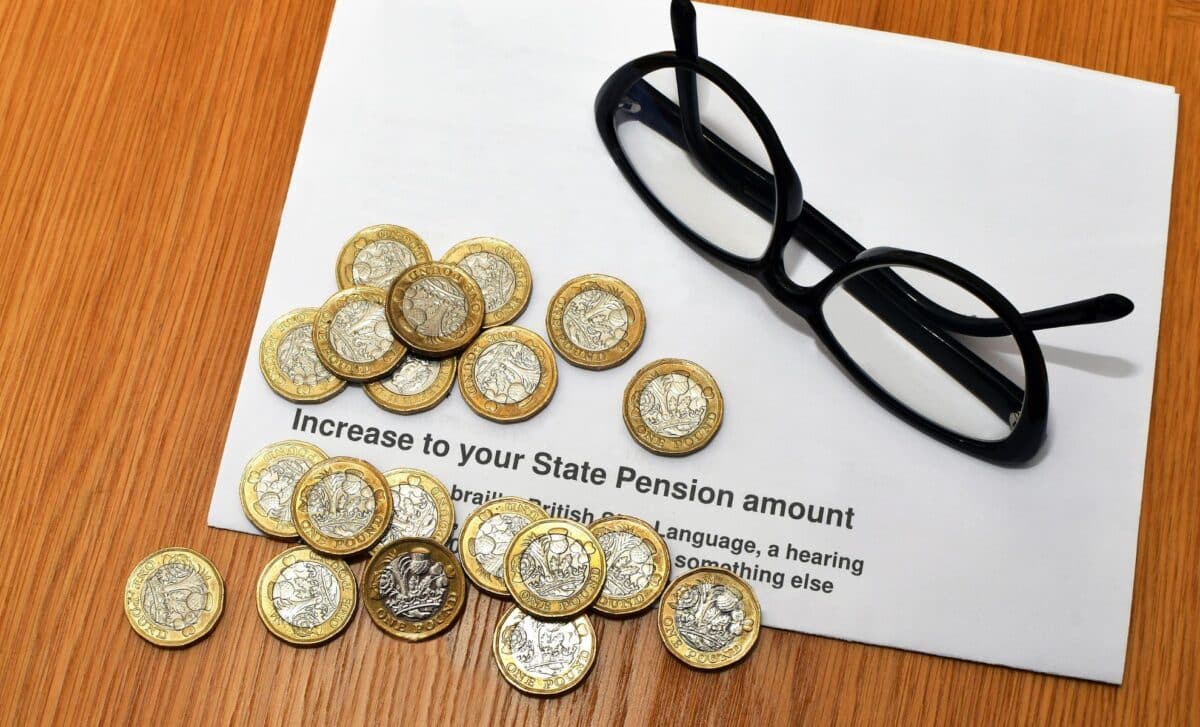
Britain’s pension system is on the brink of a crisis, warns Labour’s Work and Pensions Secretary, Liz Kendall. Addressing concerns over an impending “tsunami of pensioner poverty,” she has called for sweeping reforms, including a review of the state pension age. Kendall’s remarks highlight a growing divide between retirement savings and the number of pensioners set to rise in the coming decades.
Kendall’s call for action comes as research from Age UK indicates a grim outlook for future retirees. Those retiring in 2050 are projected to receive significantly less in state pension payments than their counterparts today, while millions of pensioners are already living in poverty. The need for a comprehensive overhaul of the pension system is more pressing than ever.
State Pension Age Review: A Delicate Balancing Act
One of the central aspects of Kendall’s announcement is a review of the state pension age, which is currently set to rise to 67 by 2028 and 68 by 2046. According to Kendall, the government must address the challenges posed by an ageing population, with the number of pensioners expected to increase by more than 50% by the 2070s. This demographic shift, she argues, will place unsustainable pressure on the country’s pension system.
However, increasing the state pension age is not without controversy. Both the Institute for Fiscal Studies (IFS) and the National Institute of Economic and Social Research (NIESR) have raised concerns over the timing and speed of such changes. While accelerating the rise in the pension age could alleviate fiscal pressures, critics warn it could disproportionately affect older workers, particularly those in manual or low-paid jobs who may not be able to work longer.
The Pensions Gap: A Growing Divide Between Wealth and Need
Kendall’s concerns are compounded by stark data on pension savings. According to the Department for Work and Pensions, over 3 million self-employed workers are not saving for retirement, and only a quarter of low-income workers in the private sector contribute to pensions.
Furthermore, the gender gap in private pension wealth remains substantial, with women typically receiving just half the pension income of men. This inequality, coupled with a significant proportion of the working-age population failing to save adequately, signals a looming crisis.
Kendall emphasised that tomorrow’s pensioners will be financially worse off than today’s if immediate action is not taken. The lack of savings among younger generations, many of whom face unaffordable housing costs and stagnant wages, means they are unlikely to build sufficient retirement funds.
In her statement, Kendall pointed out that the government’s review of pensions and the cost of living pressures should be seen as an opportunity to address long-term financial stability, rather than focusing solely on short-term fiscal concerns.