
As digital payments become the norm for travellers, the need to carry large sums of physical cash is steadily declining. Still, knowing how much money you can legally bring across borders – and the consequences of failing to declare it – remains essential.
UK customs rules place clear limits on the amount of cash that can be carried when entering or leaving the country. With increasing scrutiny at borders, experts are urging travellers to plan ahead and stay informed to avoid unnecessary delays or penalties.
Current UK Rules on Travelling With Cash
Travellers entering or leaving the United Kingdom with £10,000 or more in cash must declare it to UK customs. This legal requirement applies regardless of whether you’re carrying the funds in banknotes, coins, traveller’s cheques, or prepaid cards loaded with funds. According to HMRC, this threshold covers the combined amount carried by a group or family, not just individuals.
James McCaffrey, a finance expert at TotallyMoney, explains: “If you don’t declare the money, it could be seized, and you might have to pay £5,000 to get it back.” Declarations can be made online up to 72 hours before travel or directly at the border. Failure to comply could lead to delays, questioning by border authorities, and the burden of proving the source of the funds.
The rule reflects a broader international effort to monitor the movement of large cash sums across borders, aimed at preventing money laundering and financial crime. The UK is aligned with European Union and global standards on cash declarations, and enforcement has tightened in recent years.
How Much Should You Actually Carry?
While there is no legal minimum or recommendation for the amount of cash to carry when travelling, experts agree that moderation is best. According to Martin Newman, a consumer finance advisor, travellers should “carry a small amount of local currency – about £100 to £150 – to cover essentials like taxis, tips, or markets.”
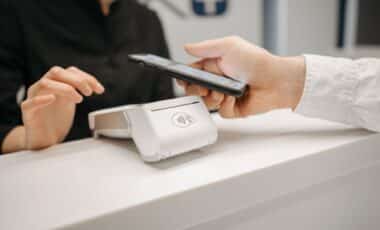
The widespread availability of contactless payments, mobile wallets, and fee-free international cards means that large amounts of physical currency are less necessary. Newman emphasises the importance of balance: “Rely primarily on cards and mobile payments for security and convenience, while keeping a modest cash buffer as a safety net in case of emergencies or places that don’t accept cards”
McCaffrey also points to the security risk of travelling with large sums. “Carrying large amounts also puts you at risk of theft,” he says. “Instead, topping up a current account with no foreign transaction fees might be safer for holiday spending.”