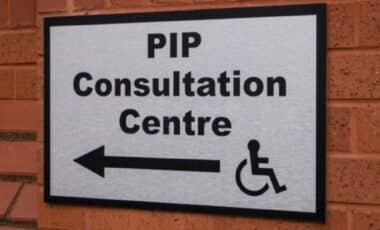

Thousands of claimants are set to receive Universal Credit and 11 other benefits earlier than usual this month due to the upcoming August bank holiday. The Department for Work and Pensions (DWP) has also confirmed changes affecting future payments and eligibility for some benefits.
This early payment schedule will help many households plan ahead, but it also means budgeting carefully as the wait for the next payment will be longer. Meanwhile, recent government decisions regarding Universal Credit and Personal Independence Payment (PIP) have clarified how benefits will be managed in the coming years.
Early Benefit Payments Confirmed for August
According to the DWP, if a benefit payment date falls on a weekend or bank holiday, it is automatically moved to the previous working day. As the next bank holiday is on Monday, 25 August, payments due on 23, 24 or 25 August will instead be made on Friday, 22 August.
This change applies to 12 key benefits, including Attendance Allowance, Carer’s Allowance, Child Benefit, Disability Living Allowance, Employment and Support Allowance, Income Support, Jobseeker’s Allowance, Maternity Allowance, Pension Credit, Personal Independence Payment, State Pension, and Universal Credit.
Anyone receiving their benefit earlier than usual will receive the same amount unless their circumstances have changed, such as an increase in earnings for those on Universal Credit. The DWP has urged claimants to verify their bank statements on 22 August and to contact the department immediately if their payment does not arrive.
The DWP has also reminded claimants that two further bank holidays later in the year will affect payment schedules: payments due on 25 and 26 December will instead be made on 24 December.
Government U-Turn on Universal Credit and PIP Reforms
The government has recently reversed course on plans to reform Universal Credit and PIP, following significant political opposition. According to parliamentary updates, ministers had proposed restricting the health element of Universal Credit for new claimants under 22 and freezing payments for four years. However, these proposals have now been abandoned.
The health element currently allows individuals with long-term conditions or disabilities to receive an additional £423.37 per month on top of the standard Universal Credit rate of £400.14 for single claimants aged 25 or over. Under the revised plans, this element will continue to rise with inflation.
Similarly, controversial changes to PIP assessments—which would have required claimants to score four points in one task such as washing or dressing—have been scrapped. This decision followed a rebellion by 47 MPs, ensuring that current criteria, allowing claimants to qualify with eight points across multiple activities, will remain in place.