Millions of UK households could face higher prices for everyday goods as retailers deal with a projected £440 million increase in electricity costs this year. The British Retail Consortium (BRC) says retailers are expected to spend around £3.15 billion on electricity in 2026, compared with £2.72 billion last year. That represents a 16% increase.
Retail Electricity Costs Are Rising Sharply
Electricity accounts for around 90% of the retail industry’s energy use, making shops particularly exposed to changes in power prices.
The BRC says much of the latest increase comes from non-commodity charges added to electricity bills. These cover government levies and network costs and now account for around two-thirds of retailers’ electricity bills.
The organisation says rising energy expenses are putting additional pressure on businesses across the sector.
Grocery Prices Could Face Further Pressure
Food retailers are among the businesses most exposed to higher electricity costs.
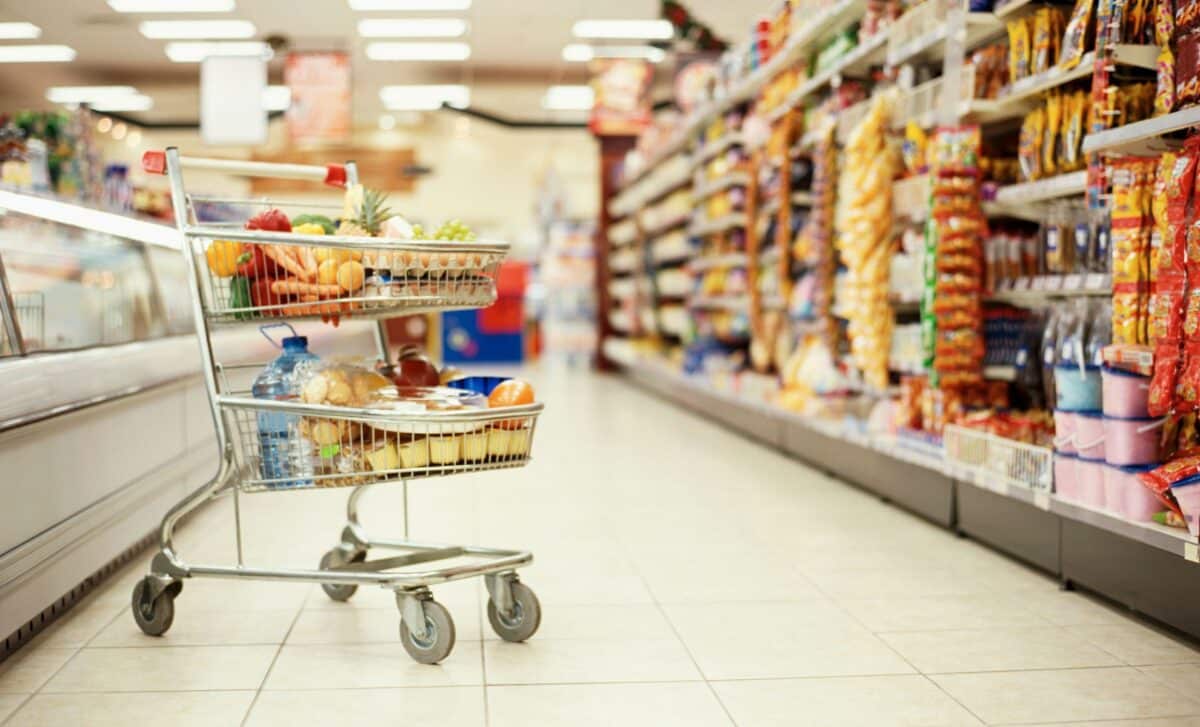
Supermarkets and other food businesses use substantial amounts of power for refrigeration, lighting and other operations. Higher operating costs can then feed into the prices shoppers see at the checkout.
The Food and Drink Federation forecasts food and non-alcoholic drink inflation of 3.9% in December. It expects food inflation to continue rising into 2027, reaching 6.4% in July, according to the figures cited in the report.
Olive Oil, Chocolate and Milk Have Already Risen
Several everyday products have already recorded notable price increases.
Olive oil, chocolate and milk are among the products that have risen fastest in price, while food manufacturers are also dealing with higher expenses for ingredients, transport, logistics, packaging and energy.
These costs come on top of higher employment expenses. The food industry has faced around £6.5 billion in additional employment costs over the past two years, including higher National Insurance contributions.
Diesel Prices Add Another Cost for Retailers
Retailers are also dealing with higher transportation expenses. Diesel prices recently reached a record high, increasing the cost of moving products between manufacturers, distribution centres, warehouses and shops.
Higher transport costs can add pressure at several stages of the supply chain before products reach consumers. The combination of energy, fuel, labour, ingredients and logistics expenses is creating a difficult environment for retailers and food manufacturers.
Retailers Want Action in the Budget
The BRC is calling on the government to address the charges that contribute to retailers’ electricity bills in the upcoming Budget. Helen Dickinson, chief executive of the BRC, said the government should reduce policy levies and make network charges more predictable.
The organisation argues that lower energy costs would give retailers more room to absorb rising expenses rather than passing the full increase on to shoppers.
Households Could Feel the Pressure at the Checkout
For consumers, the concern is that higher costs faced by retailers could translate into higher prices for groceries and other everyday products. The extent of any increases will depend on how much of the additional expense businesses absorb themselves and how much is reflected in retail prices.
Food inflation is already expected to remain elevated, while higher electricity and diesel costs add another source of pressure. For households, that could mean continued pressure on shopping budgets as retailers prepare for another period of higher operating costs.