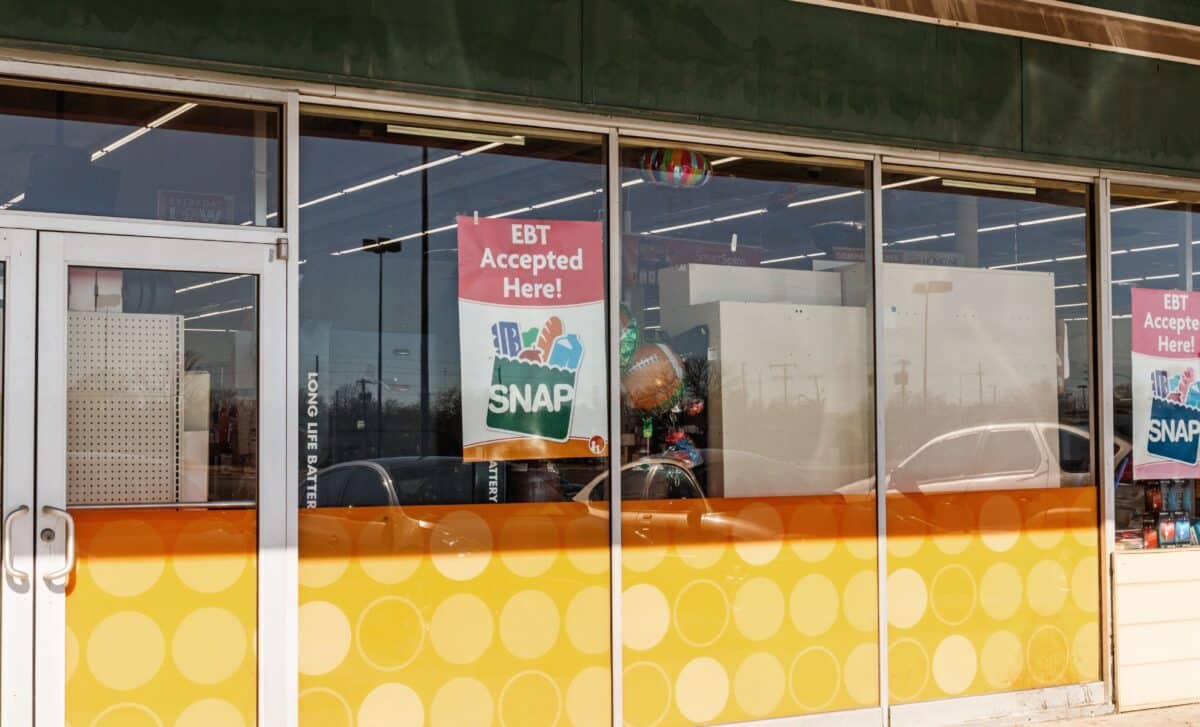
The shutdown, now in its fourth week, has caused widespread financial uncertainty, particularly for vulnerable groups who depend on federal aid for basic sustenance. SNAP, the country’s largest anti-hunger program, helps provide monthly grocery benefits through electronic cards, ensuring that recipients can buy food at participating stores. Without these benefits, many low-income families could struggle to meet basic needs in the coming weeks.
The Shutdown’s Impact on SNAP Funding
The continuation of the federal shutdown has led to a halt in funding for SNAP, preventing the distribution of benefits for November. According to the U.S. Department of Agriculture (USDA), these payments will not be made unless Congress reaches a deal to fund the government. With a divided Congress failing to approve new spending measures, the likelihood of the situation resolving in the near future appears slim.
Though SNAP is a mandatory program, its funding relies on appropriations from the federal government. This means that, without an agreement on how to fund the program, no benefits can be disbursed. For millions of Americans, this creates an immediate and pressing concern.
The USDA has contingency funds available, typically reserved for disaster relief and emergency aid. However, these funds are not sufficient to cover the full cost of SNAP payments, and the department has stated that using them would drain resources needed for other critical programs, such as the National School Lunch Program and Women, Infants, and Children (WIC) assistance. In addition, the $5 billion in contingency funds cannot be used to supplement regular SNAP benefits without explicit appropriation from Congress.
Legal and Political Tensions Escalate
As the government shutdown continues, legal action has emerged as a key battleground in the fight over SNAP funding. Several Democratic-led states, including Massachusetts, have filed lawsuits against the Trump administration, arguing that the USDA is legally obligated to use contingency funds to continue SNAP benefits. These states assert that suspending SNAP benefits would violate both the program’s statutory requirements and established administrative practices.
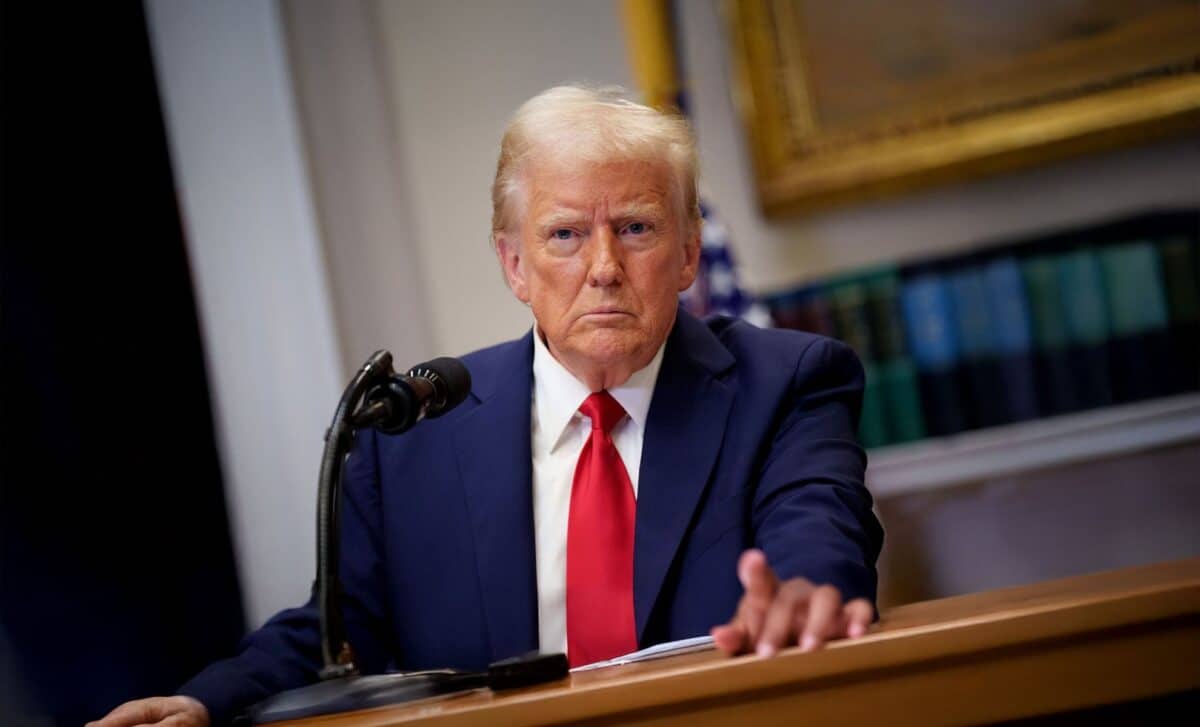
Meanwhile, President Donald Trump has publicly blamed the Democrats for the situation, accusing them of jeopardising food assistance for millions of Americans. On a recent flight aboard Air Force One, Trump stated, “We’re going to get it done,” hinting at potential solutions but offering no specific details. However, some experts remain sceptical of the viability of such measures, particularly without the approval of Congress.
The stakes are high for both political sides, with the shutdown causing a ripple effect across many federal programs. For the American people, particularly those who rely on Supplemental Nutrition Assistance Program for their next meal, the resolution of the deadlock is urgent.