
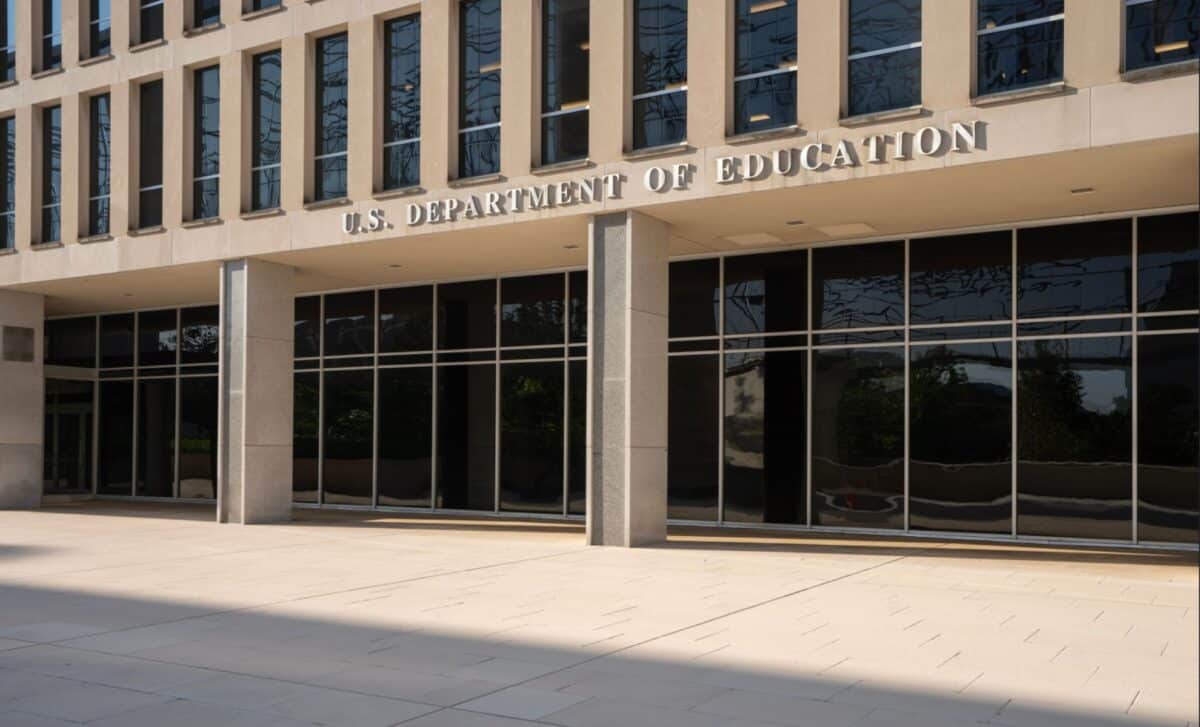
Millions of borrowers in default could soon be handled by private companies that federal regulators previously punished for misleading and abusive conduct. The change follows a decision to move the federal student-loan portfolio out of the Department of Education and into the Treasury.
The shift arrives as defaults reach record levels and as the government prepares to resume collections that have been frozen for much of the year. Education-policy specialists warn that reintroducing these contractors could leave borrowers exposed to higher fees, added confusion and a greater risk of falling back into default.
A Shift from Education to the Treasury
Under the plan, defaulted borrowers will be routed through the Treasury’s Cross-Servicing program, which relies on private contractors to recover federal debts, according to reporting by Business Insider. Two firms already operating within that system, Pioneer Credit Recovery and Transworld Systems, were each previously sued or fined by federal watchdogs over their collection practices.
Both companies had lost their student-loan work before. Lawmakers and officials during President Trump’s first term pushed to end contracts with private collectors, citing high costs and accusations of predatory behaviour, and former President Joe Biden terminated those contracts in 2021.
The scale of the task is considerable. Department of Education data show that more than 10 million borrowers are currently in default or delinquency. Involuntary collections, which include wage garnishment and the seizure of federal benefits, have been suspended since January while the department prepares for substantial changes to repayment. No firm date has been given for when that pause will end, and the department did not say to what extent Pioneer and Transworld would be involved once collections restart.
The administration argues the Treasury is the right home for the work. Treasury Secretary Scott Bessent said in a March press release that the agency could bring financial discipline to the program and act as better stewards of taxpayer dollars. Undersecretary Nicholas Kent struck a similar note during an April discussion, describing it as undeniable that the Treasury was well equipped to manage federal student loans and to help service the debt more effectively.
A Record of Penalties and Unresolved Concerns
The companies returning to the work carry a documented history of regulatory trouble. The Consumer Financial Protection Bureau, which began supervising private collectors in 2013, found that firms made various misrepresentations to defaulted borrowers, including implying that lawsuits were certain when they were not and steering people towards more expensive repayment routes.
According to the bureau’s enforcement record, it filed a complaint in January 2017 against Navient and its subsidiaries, including Pioneer, alleging deceptive and abusive practices. In September 2024 a court entered a judgment requiring the defendants to pay 100 million dollars in consumer redress and a separate penalty, and permanently banning Navient from servicing Direct Loans. Navient, which oversaw Pioneer, denied any wrongdoing.
Transworld was sanctioned separately. The bureau issued a consent order in 2017 over false or misleading affidavits and the filing of debt-collection lawsuits without proof the debt was owed, requiring the firm to pay a 2.5 million dollar civil penalty. The company said it had settled to avoid the cost of litigation.
The fee structures applied to defaulted borrowers have also drawn criticism. A 2018 report by the American Enterprise Institute found the system counterintuitive, noting that harsher penalties are imposed on borrowers who quickly repay their loans in full than on those who go through a lengthy rehabilitation process while making no real progress. Lawmakers separately complained that collectors received many times more money for steering borrowers towards their preferred repayment option despite high redefault rates.
Experts also question the Treasury’s readiness. Sara Partridge of the Center for American Progress said collecting student debt requires specific policy knowledge, and that there is no evidence the Treasury has the expertise to oversee the agencies. Colleen Campbell, a former Federal Student Aid official, warned that adding more entities risks leaving borrowers feeling lost during handoffs between vendors. Bonnie Latreille, a former official in the same office, was blunter, saying no reasonable person would expect these companies to uphold borrowers’ rights.