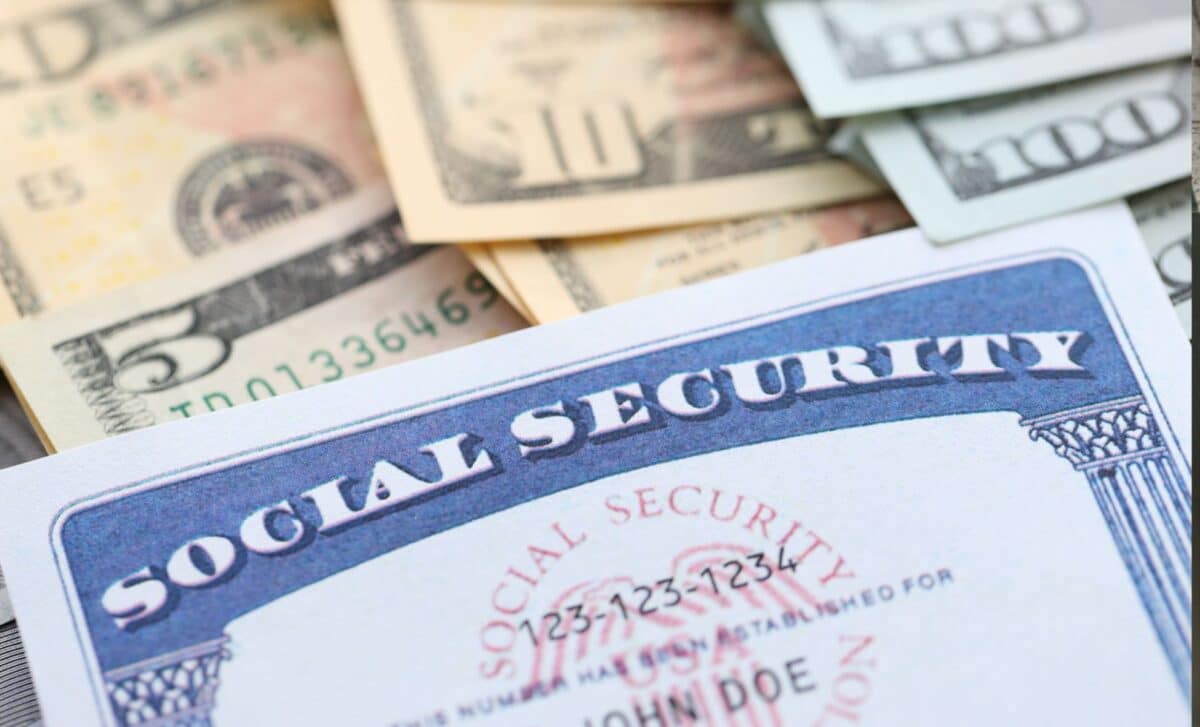
The analysis examined the projected average annual Social Security retirement benefit against living wage figures calculated by the Massachusetts Institute of Technology (MIT). The results highlight differences between states, with the largest gaps appearing in areas where basic living costs are highest.
High-Cost States Record the Widest Retirement Income Shortfalls
The comparison used a projected annual Social Security retirement benefit of $25,716 and measured it against the income required after taxes for one adult with no children in each state. According to Newsweek’s analysis of MIT living wage data, California recorded the largest gap, with an estimated required annual income of $51,416 and a difference of $25,700 between that figure and the average benefit.
Hawaii ranked second, with a required income of $50,771 and a shortfall of $25,055. Massachusetts followed with a required annual income of $50,697, leaving a gap of $24,981. New York and Washington were also among the states with the largest differences, with gaps of $24,139 and $21,163 respectively.
Across the country, the average shortfall was approximately $15,052 a year, while 23 states had gaps of at least $15,000. The smallest difference was found in West Virginia, where the required annual income was $33,999, creating a gap of $8,283. Kentucky and Arkansas followed with smaller gaps compared with other states, at $9,065 and $9,201.
The figures show a comparison between an average benefit and a statewide benchmark rather than the financial situation of every retiree. Individual circumstances vary because Social Security payments depend on a person’s earnings history and the age at which they claim benefits.
Social Security Increases May Not Remove Financial Pressure
Social Security benefits are adjusted each year through a cost-of-living adjustment, known as COLA, which is designed to reflect inflation. According to AARP, current estimates place the 2027 COLA at 3.6 per cent based on available inflation data, which would add around $75 a month to the average retired worker’s benefit.
The final adjustment will depend on September inflation figures and will be announced after all required data is available. The Senior Citizens League is currently projecting a 3.5 per cent increase, while the Committee for a Responsible Federal Budget has predicted a 3.4 per cent adjustment.
For many retirees, the size of the gap depends on whether they have other sources of income. Social Security was created to replace part of previous earnings, with savings, pensions and other income expected to provide additional support.
According to the Federal Reserve’s 2024 economic well-being report, 91 per cent of retirees aged 65 and older received Social Security, while 64 per cent received pension income and 54 per cent had income from interest, dividends or rent. The report also found that retirees with private sources of income generally reported stronger financial well-being than those without them.
The Social Security Administration is expected to announce the official 2027 adjustment after the September Consumer Price Index data is released. The new increase will apply to benefits paid from January 2027.