
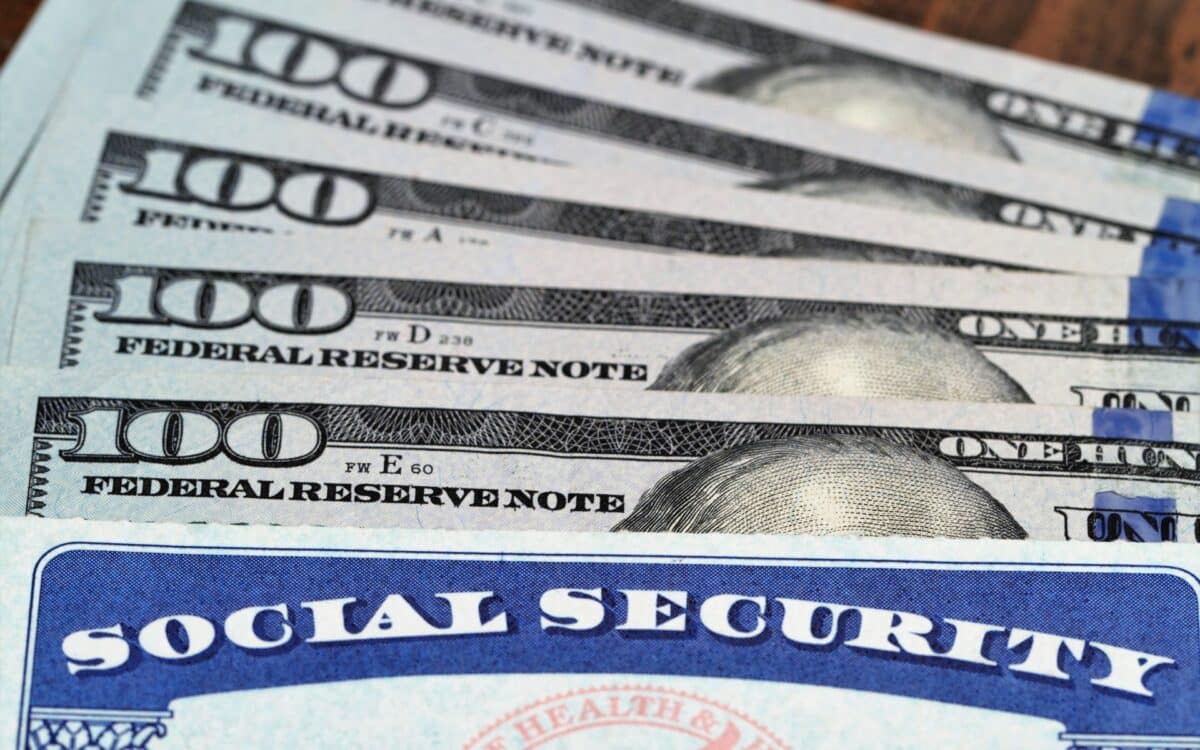
Millions of Americans who receive Supplemental Security Income (SSI) benefits are preparing for an unusual change in their payment schedule, with no SSI payment expected during August 2026. The shift is caused by a calendar adjustment that moves the normal August benefit payment into late July, affecting about 7.5 million recipients who depend on monthly assistance.
The change does not mean beneficiaries are losing money, but it changes when funds arrive. SSI recipients will receive two payments during July, including one payment intended to cover August expenses. The timing difference means households will need to carefully manage their budgets during the month when no new SSI deposit arrives.
The adjustment applies only to people receiving SSI benefits. Americans receiving Social Security retirement benefits, disability benefits, or survivor benefits will continue receiving payments based on the regular schedule.
An Unusual SSI Payment Schedule Change Affects Millions
According to The Sun, millions of Americans are facing a temporary disruption in their usual SSI payment rhythm because of how the Social Security Administration (SSA) handles payments that fall on weekends or federal holidays.
The SSA generally sends SSI payments on the first day of each month. When that date lands on a weekend or a federal holiday, payments are issued earlier to avoid delays. Since August 1, 2026 falls on a Saturday, the agency will send the August benefit on Friday, July 31.
Recipients already received their regular July SSI payment on July 1. The second payment arriving at the end of July is not an additional benefit or a special bonus. It represents the August payment being delivered ahead of schedule.
The early payment system is designed to keep benefits arriving without interruption, but it can create confusion for people who see two deposits in the same month. The timing can make it appear that recipients are receiving extra assistance when the second payment is simply arriving earlier than usual.
Credit: Shutterstock
Why August Will Have No SSI Payment
The absence of an August SSI deposit comes from the payment calendar rather than a change to benefit amounts or eligibility rules. The SSA is moving the payment date forward because the regular distribution date falls on a weekend.
For individual recipients, the upcoming July 31 payment can reach up to $994. Eligible couples receiving SSI can receive up to $1,491. The exact amount depends on each person’s circumstances, including income, living arrangements, and other factors considered by the program.
The schedule change means July will contain two SSI payments, while August will contain none. The second July payment is meant to provide funds for August needs, so spending both deposits immediately could create challenges later in the month.
Financial planning becomes especially relevant for SSI recipients because many rely on these payments for basic expenses such as housing, food, medical costs, and daily necessities. The unusual calendar arrangement requires beneficiaries to view the late July payment as an early arrival rather than extra money.
Social Security Retirement Payments Remain Unchanged
The payment shift does not affect all Social Security programs. People receiving retirement benefits, Social Security Disability Insurance (SSDI), or survivor benefits will continue following their normal payment calendar in August.
Those programs use different distribution schedules based on factors such as birth dates and benefit categories. The August SSI adjustment is specifically connected to the first-of-the-month payment rule used for Supplemental Security Income.
The SSA has not announced any reduction in benefits connected to this scheduling change. Recipients who receive SSI should focus on the timing of deposits and make sure they understand that the July 31 payment replaces the normal August payment date.
What SSI Recipients Should Know before August
The unusual schedule highlights why checking official payment calendars can help beneficiaries avoid confusion. Receiving two payments in one month may create the impression of a financial boost, but the second deposit is simply arriving earlier.
Recipients should account for the longer gap between the July 31 payment and the following SSI payment expected in September. Managing expenses across that period can help prevent unexpected financial pressure.
The Social Security Administration regularly adjusts payment dates when standard payment days fall on weekends or holidays. This practice allows benefits to continue reaching recipients without delays while keeping the agency’s payment system consistent.
For millions of SSI beneficiaries, the key change is the timing of the money, not the amount of assistance they receive. The July 31 deposit will serve as the August benefit, creating a temporary break in the usual monthly payment pattern.