
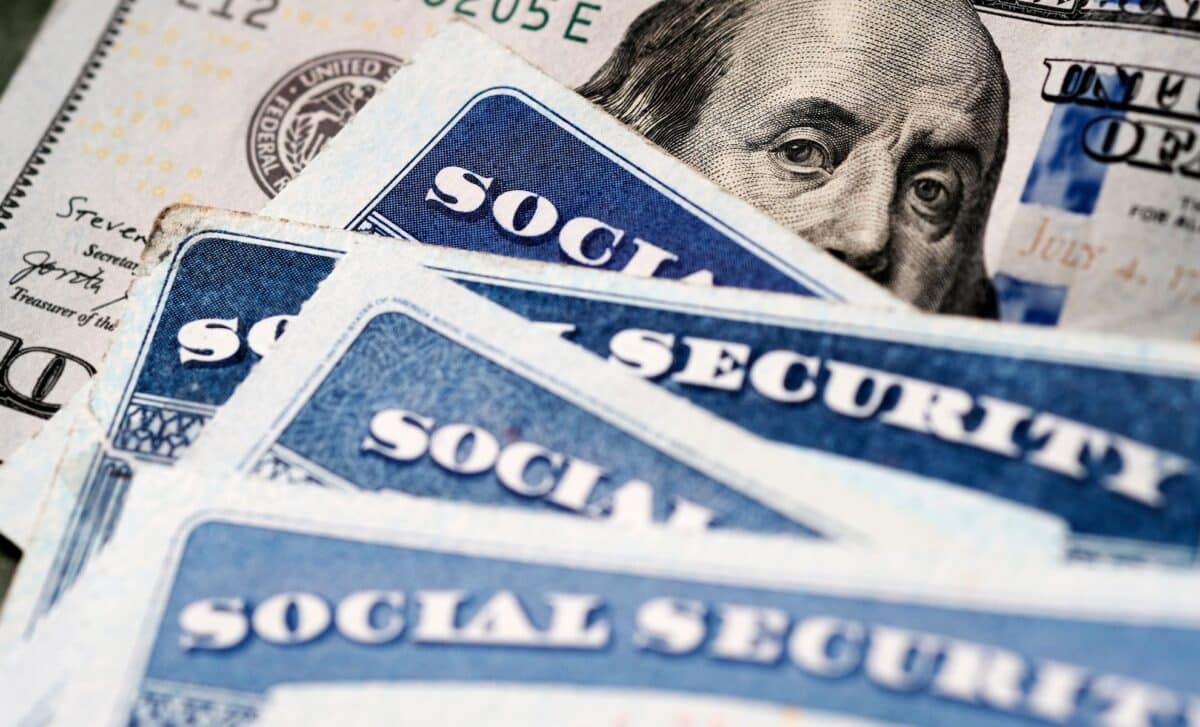
The security of Social Security, the cornerstone of retirement income for millions of Americans, is increasingly under threat, with seven in ten non-retirees worried it may not be available when they reach retirement age.
A new survey reveals widespread concern about the program’s long-term sustainability, with some fearing substantial cuts in benefits. Despite its enduring popularity and pivotal role, Social Security faces a looming insolvency crisis, and the clock is ticking for lawmakers to act.
Americans’ Growing Fears of Social Security’s Collapse
A survey from the Transamerica Center for Retirement Studies (TCRS) paints a stark picture of American apprehension about Social Security. Conducted in late 2024, the survey of over 10,000 adults found that 71% of non-retirees worry Social Security may not be available when they retire.
The issue is not just financial but deeply personal, as nearly a third of Americans rely on Social Security as their primary source of retirement income. For many, the program represents not just a cushion, but the cornerstone of their financial security in later life.
However, the programme is facing significant financial challenges. According to the Social Security Trustees’ latest report, the trust funds that support Social Security are projected to be exhausted by 2034. If this happens, benefits would only be funded through incoming payroll taxes, which would lead to an automatic cut of around 21%. This looming insolvency has created a cloud of uncertainty, fuelling fears that the safety net will no longer be as reliable.
Political Inaction Heightens Public Concern
Despite the urgency of the situation, Congress has struggled to reach a consensus on how to address Social Security’s financial woes. Proposed solutions, such as increasing the retirement age or raising taxes, have failed to gain traction. As a result, many Americans have lost faith in the political system’s ability to tackle the issue before it’s too late.
Doug Carey, founder of WealthTrace and a financial planner, believes political inaction is driving public anxiety. “I believe it’s the political climate and the lack of action over many administrations,” he told Newsweek. “Most politicians do not want to touch benefits since they believe it will only hurt their reputation and reelection chances now.” This delay in action has led to many Americans adjusting their expectations, with some already planning for significant reductions in their benefits, and younger workers focusing more on personal savings rather than relying on Social Security.
The crisis is not just theoretical. Many retirees, especially women, already depend on Social Security as their primary income source. According to the TCRS survey, 59% of retired women rely on it as their main income, compared to 47% of men. This reliance underscores the program’s central role in ensuring financial stability for millions of older Americans.