Representative Brandon Gill, a Texas Republican, introduced the Ending Restaurant Purchases with SNAP Act on Thursday. The legislation targets the Restaurant Meals Program, or RMP, which allows qualifying SNAP recipients to use their electronic benefit transfer cards at approved restaurants, including some locations operated by major fast-food chains.
Around 37 million people are enrolled in SNAP nationwide. Benefits are generally used at participating grocery stores, while restaurant purchases are permitted only under specific conditions in states that have chosen to operate the RMP.
The proposal arrives as the Trump administration is separately expanding restrictions on certain SNAP purchases. More than 20 states have received waivers allowing them to exclude products such as soda, candy and energy drinks as part of the administration’s Make America Healthy Again agenda.
Bill Would Eliminate a Limited Snap Restaurant Exception
Federal SNAP rules generally prohibit recipients from purchasing food that is hot when sold. The Restaurant Meals Program creates an exception for people who may be unable to prepare meals themselves or who lack permanent housing where food can be stored and cooked.
According to the USDA, the RMP is an optional program that individual states may choose to operate. In participating states, every member of an eligible household must be elderly, disabled or homeless, or be the spouse of someone who meets one of those qualifications. Eligibility is controlled through EBT cards. Cards belonging to recipients who do not qualify are automatically declined when used at participating restaurants.
The proposed law would eliminate that restaurant purchasing option. It would leave provisions allowing qualifying public and nonprofit organizations to provide meals, including certain home-delivered meals for elderly and disabled recipients.
Gill said SNAP should help Americans buy nutritious food rather than cover fast-food purchases. According to figures provided to Gill and Senator Joni Ernst of Iowa, more than $524 million in SNAP benefits was redeemed at RMP-authorized restaurants between June 2023 and May 2025.
The lawmakers had previously asked Agriculture Secretary Brooke Rollins and Health and Human Services Secretary Robert F. Kennedy Jr. to review the program, arguing that an accommodation originally intended to be limited had expanded and increasingly involved major fast-food and quick-service chains.
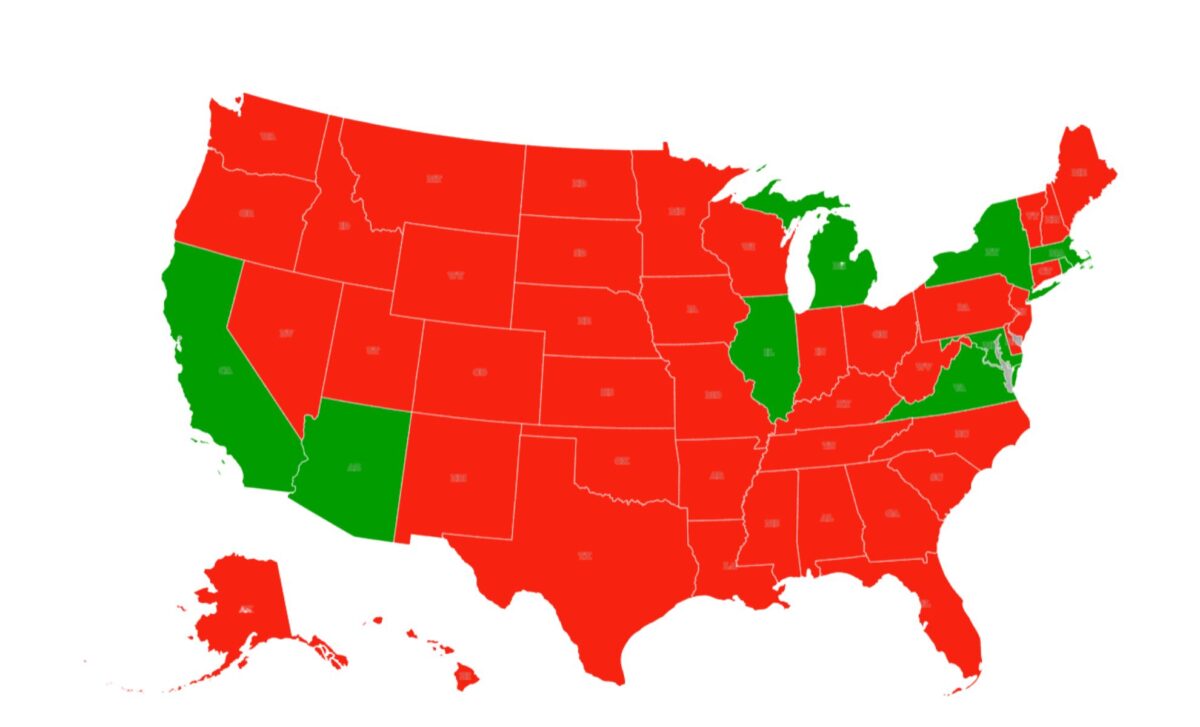
Nine States Currently Operate Restaurant Meals Programs
According to the USDA, Restaurant Meals Programs currently operate in Arizona, California, Illinois, Maryland, Massachusetts, Michigan, New York, Rhode Island and Virginia. California accounted for the largest share of restaurant spending reported to the lawmakers, with about $475 million redeemed between June 2023 and May 2025. Arizona recorded $41.4 million, while New York accounted for $3.6 million.
Michigan recorded $1.3 million in restaurant redemptions, followed by Rhode Island at $995,900, Massachusetts at $649,000 and Illinois at $497,000. Virginia recorded $308,500, while Maryland accounted for $8,600.
Participating restaurants listed by Propel, a company that develops technology for safety-net programs, include locations from chains such as Subway, KFC, Taco Bell, Pizza Hut, McDonald’s and Burger King, alongside independent restaurants.
The proposed legislation comes as USDA is also changing requirements for SNAP retailers. Beginning this fall, most participating stores must stock seven varieties of foods across protein, grains, dairy, and fruits and vegetables, more than twice the previous variety requirement.