Brent crude climbed above $98 a barrel on Thursday after attacks on oil tankers in the Red Sea and continued U.S. strikes against Iran heightened concerns about energy shipments from the Middle East. The latest developments have intensified market attention on two critical maritime routes used for global oil exports.
The price increase comes as shipping activity remains under pressure in both the Strait of Hormuz and the Bab el-Mandeb Strait, while investors continue to monitor the potential impact on global fuel supplies and transportation costs.
Recent military developments have added to uncertainty across energy markets. According to The New York Times, Brent crude has gained about $13 over the past week and has risen roughly 33% since the conflict began. West Texas Intermediate crude also advanced, approaching $90 a barrel during Thursday trading.
Red Sea Attacks Add Pressure to Global Oil Markets
Oil prices extended gains for a fifth consecutive trading session after the Iran-backed Houthis claimed attacks on two Saudi oil tankers operating in the Red Sea. According to the same source, Brent crude rose above $98 per barrel while the U.S. benchmark, West Texas Intermediate, traded near $90.
The Houthis said the tankers had violated a naval blockade announced earlier in the week. According to Oilprice.com, the group identified the vessels as Encelia and Layla, stating that one was carrying Saudi crude destined for India while the other was transporting oil to China.
At the same time, Iran’s Islamic Revolutionary Guards Corps said one of three oil tankers attempting to travel through what it described as a mined route south of the Strait of Hormuz caught fire after an explosion. According to The New York Times, the remaining two vessels turned back following the incident.
The United States also confirmed that it had completed its twelfth consecutive night of strikes intended to reduce Iran’s ability to threaten commercial shipping. As these events unfolded, traders continued to focus on the security of the region’s principal export routes.
Shipping Disruptions and Fuel Prices Remain in Focus
Shipping data indicates that vessel movements through key waterways have slowed. According to The New York Times, six vessels reversed course in the Red Sea earlier this week after the Houthis warned shipping companies to avoid Saudi ports. Some ships have instead headed toward the Suez Canal, a route described as more expensive and logistically more complex.
The Guardian reported that market participants increasingly view the situation as creating a “two-chokepoint problem” because risks now affect both the Bab el-Mandeb Strait and the Strait of Hormuz. The publication also reported that Brent futures approached the $100-per-barrel mark as traders responded to the latest security concerns.
The broader energy market is also facing tighter conditions. According to The New York Times, global oil inventories are lower than they were when the conflict escalated earlier this year, while damage to Russian refineries has reduced supplies of transportation fuels such as diesel.
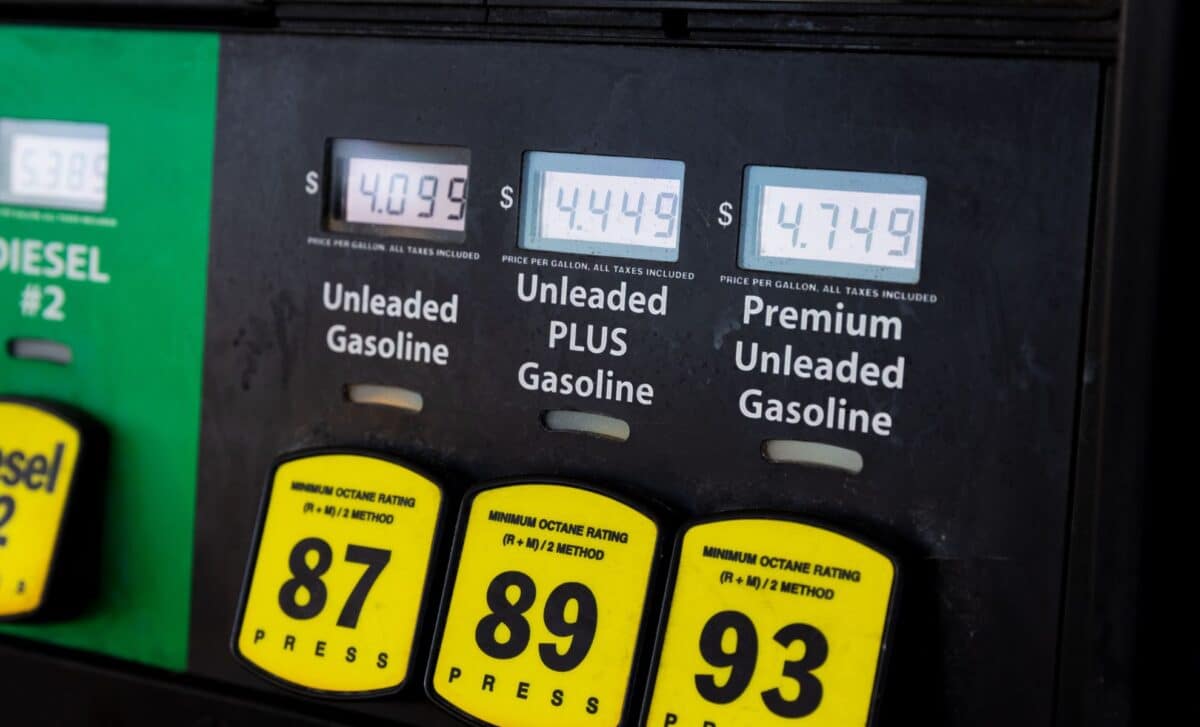
Fuel prices have already reflected part of the increase in crude oil. The New York Times reported that the U.S. national average price for gasoline reached $4.09 per gallon on Thursday, while average diesel prices climbed to $5.21 per gallon. The newspaper noted that gasoline prices generally follow changes in crude oil prices after a delay of several days, as refinery capacity and fuel production continue to influence retail costs.