The funding request arrives as lawmakers from both parties continue to question further military involvement in Iran. Its broad scope could complicate congressional negotiations in the weeks ahead.
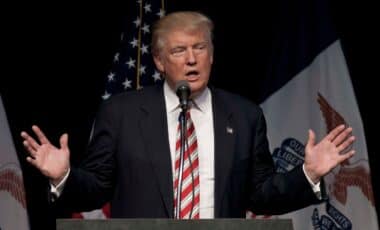
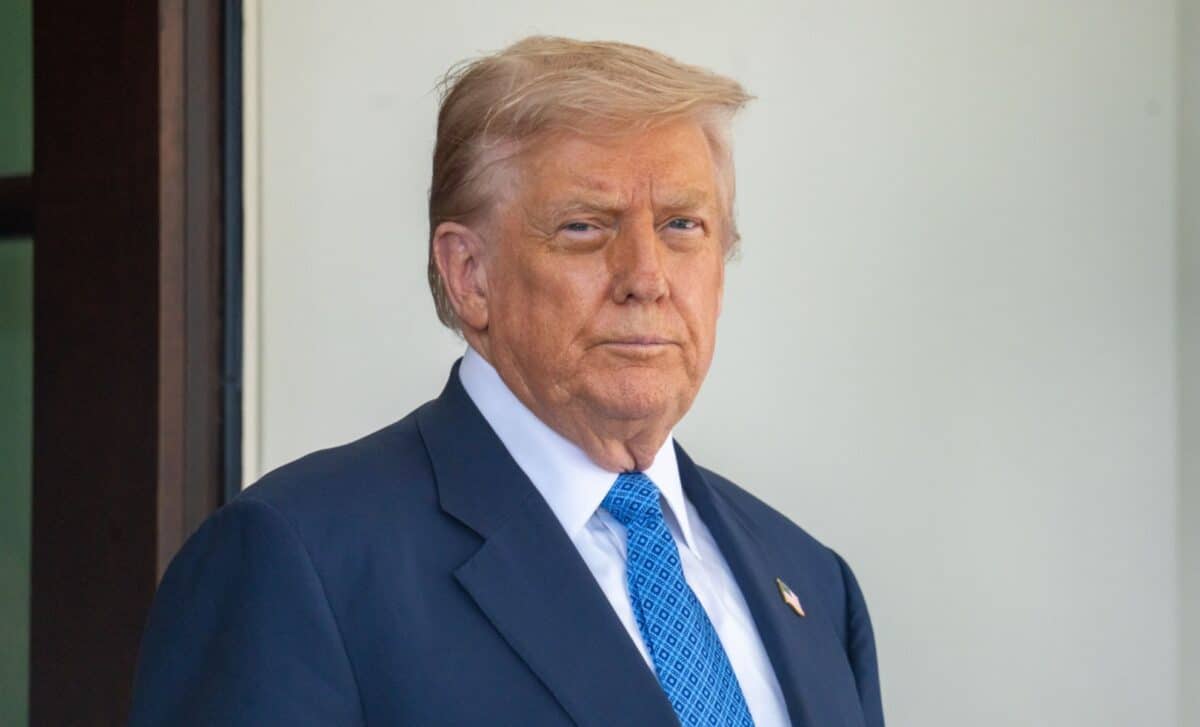
The Office of Management and Budget submitted the supplemental funding request on Wednesday, only hours after President Donald Trump confronted Republican senators over their support for a war powers resolution aimed at limiting additional hostilities. According to the Associated Press, OMB Director Russ Vought urged Congress to act quickly, describing the requested funding as necessary for urgent military and domestic priorities.
The proposal extends well beyond defense spending. Alongside Pentagon funding, it includes economic assistance for farmers, public health funding for Ebola response efforts, restoration projects in Washington, D.C., transportation funding for New York, and several policy proposals covering hemp regulation, renewable fuels, and federal investment rules involving Venezuela.
Defense Funding Dominates the Emergency Request as Political Divisions Deepen
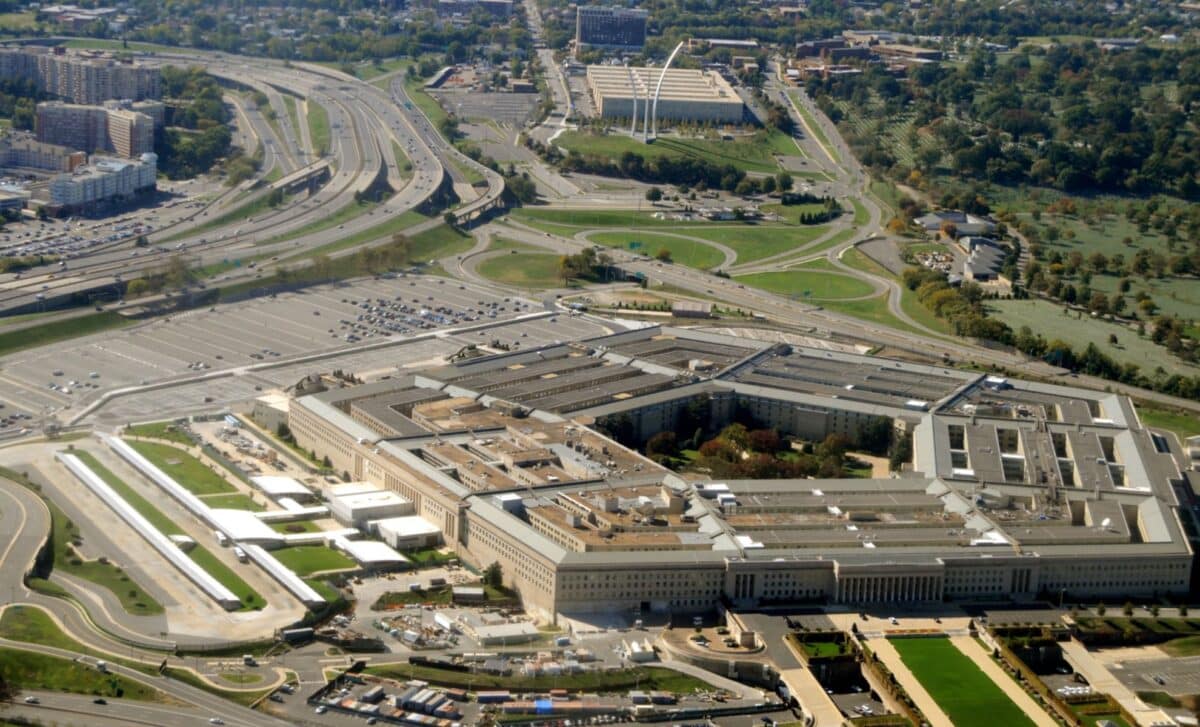
According to the Associated Press, the administration is seeking $67 billion for the Department of Defense to replenish resources used during Operation Epic Fury, the U.S.-led military campaign against Iran. The largest allocation includes $21 billion for weapons and munitions, followed by $17.3 billion for operational costs and $12.1 billion for classified programs. Additional funding would support fuel expenses, drone manufacturing, cybersecurity, military personnel, and readiness requirements.
The request faces uncertain prospects in Congress. Many lawmakers have argued that any vote on the supplemental package could be viewed as a judgment on the military campaign itself.
Sen. Patty Murray, the ranking Democrat on the Senate Appropriations Committee, criticized the proposal, saying it seeks funding not only for the Iran war but also for unrelated Pentagon priorities that should instead be considered through the regular appropriations process. She said she would review the request carefully to ensure support for service members while opposing what she described as additional funding for a “war of choice.”
Republican appropriators Tom Cole of Oklahoma and Ken Calvert of California defended the request, stating that maintaining U.S. defense capabilities requires replacing military resources used during the conflict.
Farm Assistance and Domestic Programs Broaden the Proposal
Beyond defense spending, the administration has requested $11.1 billion in economic assistance for American farmers. According to reports, the funding is intended to help producers facing higher fuel costs, supply chain disruptions, and export uncertainty linked to the conflict, although the administration has not released a detailed breakdown of the overall agricultural allocation.
The Associated Press reported that the package includes $10 billion for row and specialty crop farmers, along with $1.1 billion specifically for Florida agricultural producers affected by last winter’s storms.
Farmers have reported significant increases in production costs. According to Newsweek, Tennessee farmer Todd Littleton said fertilizer expenses alone are expected to rise by about $100,000 this season, representing a 40 percent increase from the previous year because of the war’s impact on global shipping through the Strait of Hormuz.
The proposal also requests $1.4 billion for Ebola response efforts in Central Africa, including funding for disease prevention, detection, and humanitarian assistance. Other provisions include $500 million for restoration and construction projects in and around Washington, D.C., and $1 billion for the modernization of New York’s Penn Station. Whether Congress advances the package in its current form, modifies it, or separates individual provisions remains unclear.