

A South Carolina city is taking an unusual approach to tackling abandoned shopping carts by requiring retailers to pay $50 to reclaim every cart recovered from public streets. The proposal, which could affect major chains including Walmart, is designed to reduce neighborhood clutter, improve public safety, and redirect the collected money toward community assistance programs rather than city operations.
North Charleston Introduces A New Shopping Cart Recovery Fee
Officials in North Charleston, South Carolina say abandoned shopping carts have become an increasingly visible issue across sidewalks, roadsides, and public spaces. Under a newly introduced ordinance, community service officers will collect carts found away from the businesses that own them and transport them to the city’s public works facility. Retailers will then be notified and required to pay a $50 recovery fee for each cart before reclaiming their property.
As reported by The Sun, city leaders say the ordinance is intended to encourage stores to improve measures that prevent carts from leaving their parking lots rather than penalizing businesses after the fact. Explaining the city’s reasoning, North Charleston Communications Manager Tony Tassarotti said,
“We’ve noticed that some of the carts have been taken away from the establishment that they’re a part of. Then we’ll see those carts kind of on the side of the road, which creates kind of an eyesore.”
Officials argue that abandoned carts create more than a visual problem. They can block sidewalks, interfere with pedestrian access, and become hazards for drivers and residents alike. By introducing a financial incentive for retailers to strengthen cart management, the city hopes fewer carts will end up scattered throughout neighborhoods.
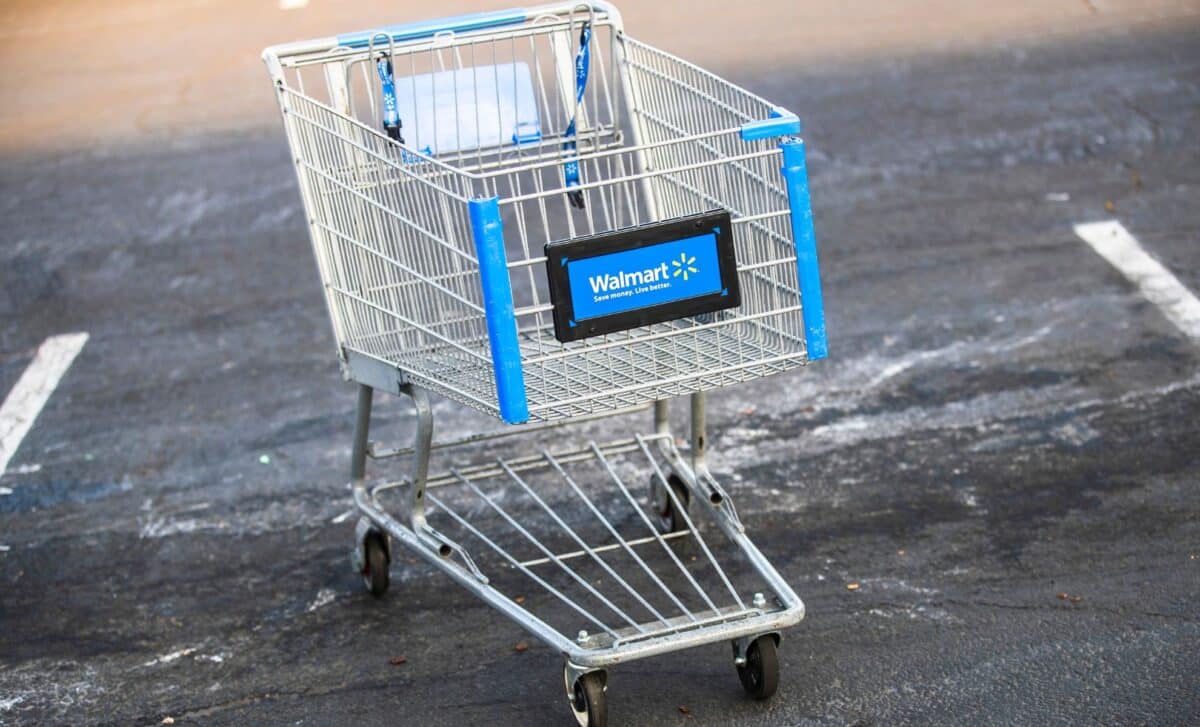
Credit: Shutterstock
Revenue Will Be Directed Toward Community Assistance
Unlike many municipal fines that are deposited into a city’s general operating budget, the money collected through the shopping cart recovery program has a dedicated purpose. According to city officials, every recovery fee will support programs designed to help vulnerable members of the community, giving the ordinance a social service component alongside its public cleanup goals.
Local resident Cindy pointed to another aspect of the issue, saying,
“I see a lot of homeless people that have all their belongings pushing these carts a lot.”
City officials acknowledge that abandoned shopping carts are often connected to broader social challenges rather than simple littering.
Explaining how the revenue will be used, Tony Tassarotti said,
“That money will go into kind of a fund to help when we have warming shelters open, or if there’s a homeless person in need of something.”
The city believes this approach allows the ordinance to address two concerns simultaneously: reducing the number of abandoned carts across public spaces while creating additional resources that can be used during cold-weather shelter operations or to provide immediate assistance for people experiencing homelessness.
Similar Shopping Cart Policies Have Sparked Debate Elsewhere
The discussion surrounding abandoned shopping carts is not limited to South Carolina. In Arizona, lawmakers recently considered legislation that would prevent cities from charging retailers to recover abandoned carts after several municipalities introduced similar fees ranging from $25 to $50 per cart. Supporters of the state legislation argued that businesses should not face additional costs when shopping carts are often removed from store property without authorization.
The proposal, known as HB 2460, would still allow local governments to impound or destroy abandoned carts but would prohibit recovery charges for retailers. Republican State Representative Nick Kupper argued that stores are already victims when carts are stolen and should not be required to pay additional fees to retrieve them. The debate illustrates the competing priorities facing local governments, retailers, and lawmakers as cities search for effective ways to reduce abandoned property without placing unnecessary financial burdens on businesses.
Phoenix’s Experience Highlights The Growing Challenge
The issue has become especially visible in Phoenix, where city officials reported collecting approximately 8,000 abandoned shopping carts during 2024, at an estimated cost of $58,000. Those figures have fueled discussions about who should bear the financial responsibility for recovering carts that end up scattered across neighborhoods.
Phoenix Councilmember Betty Guaradado previously summarized the city’s concerns, saying,
“These carts, often left behind without retailers having any meaningful retrieval plan, are not just annoyances. They obstruct sidewalks, clutter public spaces and contribute to the deterioration of our community’s appearance and quality of life.”
Statements like these reflect the broader challenge many cities now face as abandoned shopping carts become an increasingly common feature of urban landscapes. While approaches differ from one jurisdiction to another, North Charleston’s ordinance represents one of the latest efforts to balance public cleanliness, retailer responsibility, and community support through a single policy.