
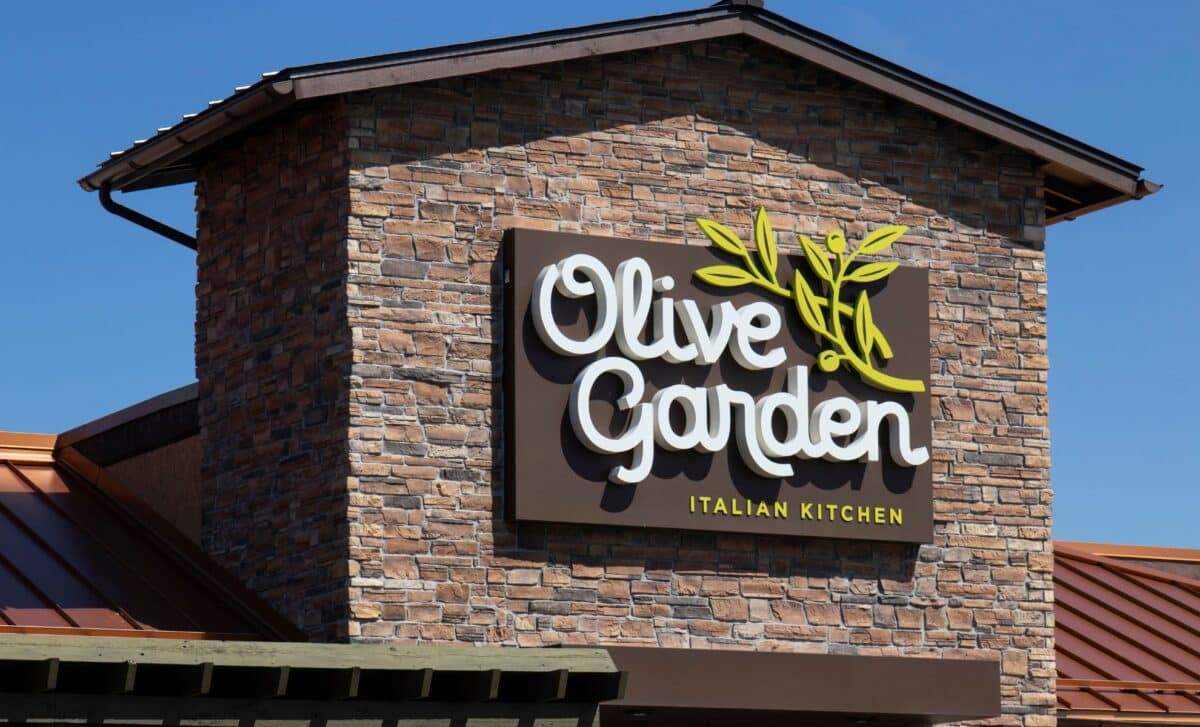
Olive Garden, the popular American chain known for its Italian-American cuisine, has announced it will close all 900 of its locations on Thanksgiving and Christmas Day. The decision aligns with a growing trend in the retail and restaurant industries, as companies offer their employees more time to spend with loved ones during the holiday season. This marks a significant departure from the long-standing tradition of keeping businesses open during major holidays, particularly Thanksgiving.
In a move that echoes broader changes across the service industry, Olive Garden is the latest in a series of companies opting to close their doors during the festive period. As the company confirmed, its restaurants will shut for 24 hours on both Thanksgiving and Christmas Day, forcing diners to adjust their plans.
Closing for the Holidays: A Growing Trend
Olive Garden’s decision to close its doors for 48 hours over the holidays is part of a wider movement across the retail and restaurant sectors. In recent years, an increasing number of companies have decided to offer staff a break on major holidays, moving away from the practice of opening early on Thanksgiving Day to kick off the Black Friday shopping frenzy. According to Olive Garden’s official statement, the closures aim to allow team members to “spend time with their family and friends,” demonstrating the company’s commitment to fostering a healthy work-life balance.
Other businesses are following suit. In addition to Olive Garden, major retailers like TJ Maxx, Hobby Lobby, and Best Buy have announced similar plans for Thanksgiving and Christmas Day. These closures reflect a broader societal shift towards valuing family time and employee well-being, especially during such a traditionally family-oriented time of year. As noted by the company, while these closures may cause temporary inconvenience for customers, they are in line with industry-wide practices meant to benefit staff.
The Impact on Shoppers and Workers Alike
For many customers, the closure of Olive Garden and other retailers on Thanksgiving and Christmas Day may require a change in plans. Restaurants that typically cater to large numbers of diners during these holidays will see a sharp drop in business, while retailers like Walmart, Target, and Best Buy, which are usually open for extended hours, will also close their doors for the 24-hour period. According to reports, the trend of retail closures on holidays began gaining momentum in recent years as more companies recognised the importance of work-life balance for their employees.
The decision, however, is not without consequences. While customers may be disappointed, it is a well-received move among many workers who have long been expected to work on holidays. By providing a day off for employees, businesses not only improve morale but also contribute to the broader conversation on employee rights and the changing landscape of work in the modern world.