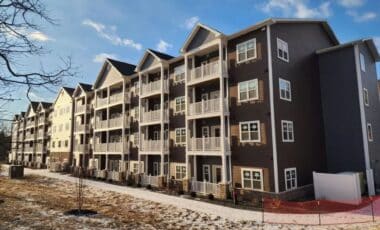

Renters in New Jersey are about to face a significant change starting May 1, with the implementation of a new law that will cap the application fee landlords can charge prospective tenants at $50. The law is designed to address the rising cost of housing and provide some relief to renters who often face additional, unexpected fees when applying for a home.
A Response to Soaring Housing Costs
New Jersey is known for having one of the highest average rent prices in the country, with the average rent reaching $2,412 for just 817 square feet, according to RentCafe. This figure is significantly higher than the national average of $1,740 for 908 square feet.
With the state facing one of the country’s most expensive rental markets, lawmakers have decided to implement the new cap in an attempt to reduce the financial burden on renters and make the housing market more accessible.
New Jersey Attorney General Jennifer Davenport explained that housing costs have become a critical issue for many state residents. “For far too many New Jerseyans, housing is far too expensive,” Davenport said in statement. “When landlords hide the true cost of rent or pile on bogus fees, it becomes even harder for families to secure affordable housing.”
How the New Law Works
The law, which was passed in January and goes into effect on May 1, prohibits landlords and their agents from charging rental application fees higher than $50. Landlords found to be in violation of this cap could face penalties up to $1,000 per violation.
The New Jersey Office of the Attorney General has also released a document outlining potential violations, including collecting multiple fees under different names for the same application, or withholding the rental price until after the fee is paid.
The goal of the law is to create a more transparent and affordable rental process, ensuring that renters know exactly what to expect when applying for a place to live. The hope is that this will not only help families facing high costs but also level the playing field for landlords who adhere to ethical pricing practices.
Other Violations and Penalties
Landlords could also face fines for other practices related to application fees. These include collecting fees for properties that are not available for rent or charging excessive fees beyond the $50 limit. Additionally, withholding key information about a rental property—such as the actual rent price—until the application fee is paid is also considered a violation. These actions are in direct conflict with the Consumer Fraud Act, which aims to protect consumers from deceptive and unfair practices.
A Step Toward Federal Regulation of Rental Practices
In addition to the new law in New Jersey, Attorney General Davenport is also leading a bipartisan initiative urging the Federal Trade Commission (FTC) to create federal regulations that would address unfair rental practices across the country.
This coalition, made up of 27 attorneys general, is asking the FTC to take measures such as requiring clearer disclosure of rental prices, banning unfair fee practices, and giving states more power to regulate housing markets.
Many states, including Colorado, Pennsylvania, and Tennessee, have already taken steps to address unfair rental practices. However, the coalition argues that federal action is necessary, especially given the prevalence of large corporate landlords who operate across multiple states.
What This Means for Renters
The new law in New Jersey is a positive step for renters, offering a more affordable and transparent process for applying for rental properties. By capping application fees and prohibiting deceptive practices, the law seeks to reduce some of the financial pressure renters face.
If successful, it may serve as a model for other states struggling with similar issues. For renters in New Jersey, this change will make applying for housing a fairer, more straightforward process.