
Burberry, one of the world’s most iconic fashion brands, is set to close 21 stores in 2026, marking a notable shift in its retail strategy. The closures will reduce the company’s global store count from 431 to 410 by September 30, as part of a plan to focus on profitability and optimize its physical presence.
Stores Closing Due to Profitability Challenges
The stores identified for closure are those facing profitability challenges or located in areas no longer appropriate for the brand’s strategy, CEO Joshua Schulman explained to The Sun. “When it’s a center location where we just want to exit, we’ll exit. But in other cases, we will find a more profitable alternative to showcase the product,” he said. The focus is on reallocating resources to stores and channels that deliver stronger returns and a better in-store experience.
Financial Performance and Market Dynamics
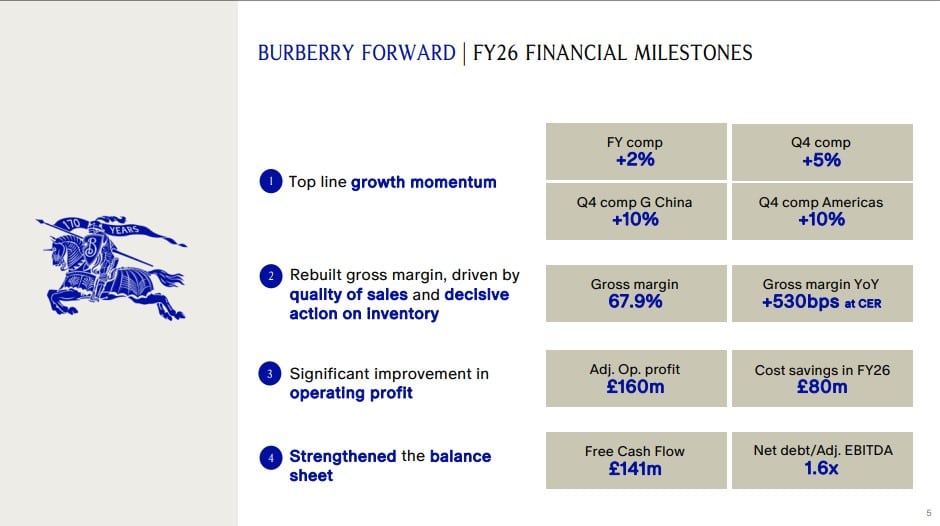
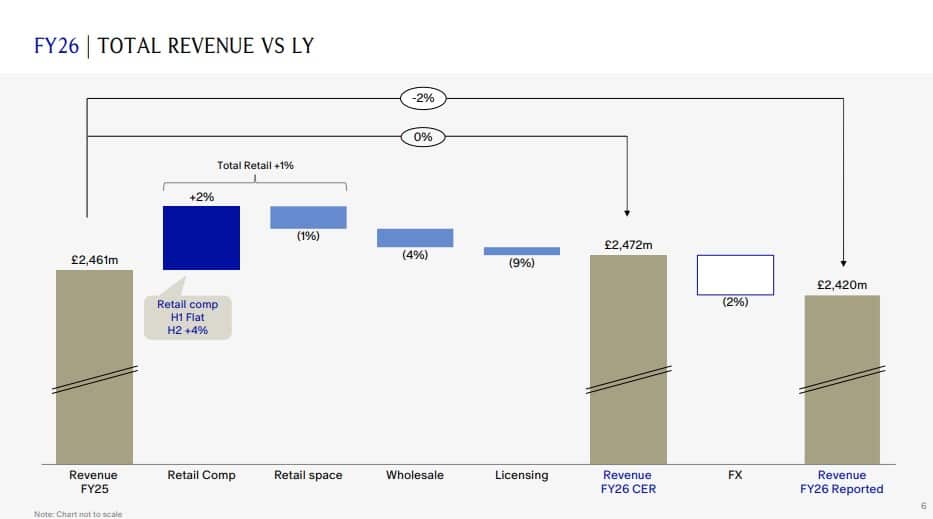
Burberry’s earnings report for the fiscal year shows a 2% decline in revenue year-over-year alongside a 14% increase in cost of sales, highlighting operational pressures and shifting market conditions. Most global regions experienced growth, but the Asia Pacific region, particularly China, has seen a slowdown in demand. The company is monitoring this market closely and plans to adjust its strategy to align with regional consumer behavior.
Strategic Focus and Investments
Going forward, Burberry aims to enhance in-store experiences at remaining locations while continuing to invest in wholesale and department store partnerships, which have produced stronger performance compared with standalone outlets. This dual approach allows Burberry to maintain its luxury appeal while optimizing operational efficiency and protecting profit margins.
Broader Implications for Luxury Retail
Burberry’s store closures mirror wider trends in the luxury sector. Rising operating costs, supply chain issues, and changes in consumer behavior are prompting brands to prioritize fewer, more profitable locations while expanding online and wholesale channels. This strategy balances maintaining visibility and prestige with adapting to evolving shopping habits.
Outlook for the Next Fiscal Year
The company expects its next fiscal year to remain “broadly stable,” with resources redirected toward locations, partnerships, and online platforms that maximize returns. Burberry’s strategy reflects the changing landscape of luxury retail, where profitability, customer experience, and strategic store placement are central to sustaining long-term growth and brand strength.
By closing underperforming stores and focusing on profitable channels, Burberry aims to stay competitive while preserving its iconic status in the global fashion industry.