
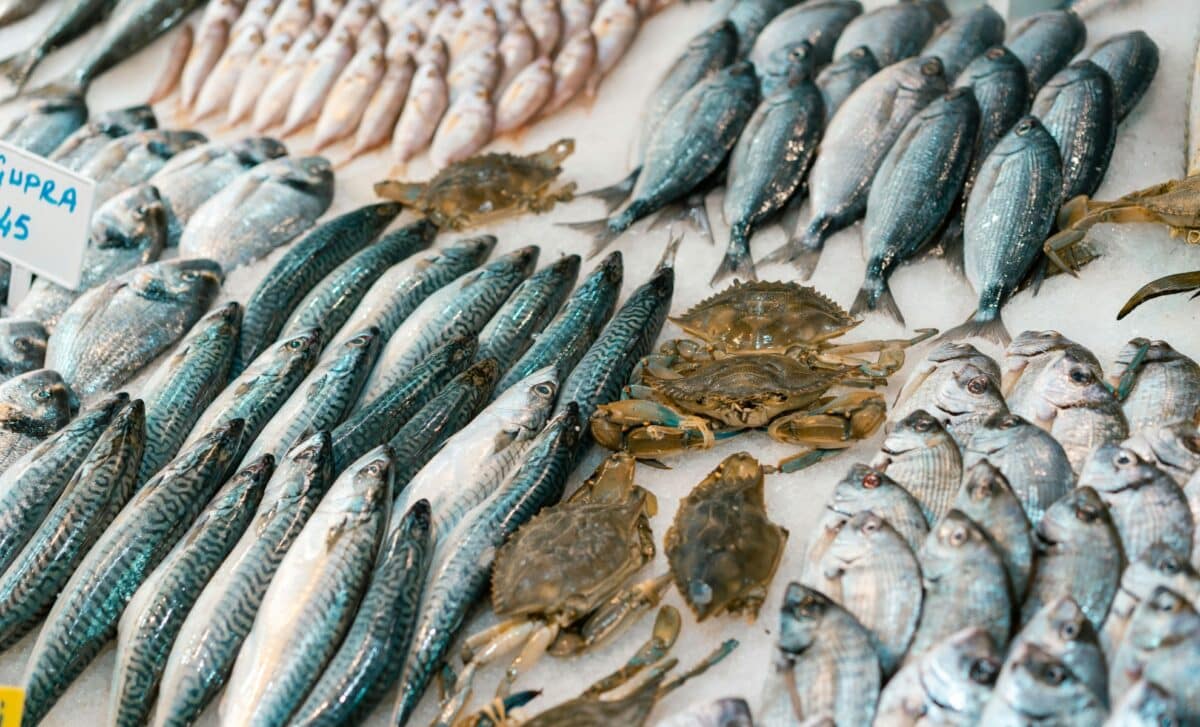
For many Australians, Easter means seafood on the table. Prawns, oysters, fresh fish — it’s almost a tradition. But this year, shoppers may notice something different when they head to the fish market. Prices could be climbing.
Fuel Costs Begin To Hit The Fishing Industry
Fishmongers across Australia are warning that seafood prices may increase in the lead-up to Easter, largely due to the ongoing fuel crisis. The fishing industry relies heavily on diesel to power boats, refrigeration systems and transport trucks.
As fuel prices surge, the cost of catching seafood rises as well. And like most industries, those extra expenses eventually flow through the supply chain.
Sydney Fish Markets has already signalled that some seafood products could become more expensive. While the impact has not fully arrived yet, traders say the pressure is building.
One seafood vendor at Melbourne’s Queen Victoria Market, George Karamoutsos from Limnos Seafood, said the effects are likely to become clearer soon.
Retailers Expect Prices To Climb
According to fishmongers, the price increases may not be dramatic at first, but they are expected to appear gradually during the busy Easter period.
“We expect prices to go up over Easter slightly,” Karamoutsos said. Fishermen facing higher operating costs will inevitably charge more for their catch, and those increases will move down the chain — from wholesalers to retailers, and finally to customers.
Seafood lovers may already have an idea of current prices. Raw king prawns are selling for roughly $36 per kilogram, while large cooked tiger prawns can reach around $55 per kilogram.
Other popular items, like Tasmanian salmon cutlets and oysters, remain widely available for now. But depending on how fuel prices evolve, those numbers could edge higher.
Fishermen Facing Tough Economic Pressures
The situation is especially difficult for commercial fishermen, who often operate on tight margins even in stable times. Fuel is one of their largest expenses.
Some fishermen have warned that if diesel prices climb to $3 per litre, many boats may simply stop heading out to sea. For smaller operators, fishing at those costs could mean running at a loss.
Portland fisherman Daniel Hogan recently explained the dilemma clearly. If fuel becomes too expensive, going out to fish simply doesn’t make financial sense.
“We can’t operate at a loss,” he said to Sky News. Like many small business owners, fishermen still have mortgages and operating costs to cover.
New Fuel Levy Introduced At Sydney Fish Markets
In response to rising costs, Sydney Fish Markets has introduced a temporary fuel levy on seafood sold through its auction system.
The additional charge is designed to help offset fuel expenses faced by commercial fishermen. Importantly, the levy is passed directly back to the fishermen themselves rather than retained by the market.
Officials say the measure is intended to support the fishing industry while the fuel crisis continues to disrupt costs.
Despite the concerns, the market says seafood supply for Easter should remain stable.
Seafood Still Expected To Be Available
Sydney Fish Markets said both supply and pricing remain relatively stable for now, although the situation is evolving.
The market sources seafood from both wild-catch fisheries and aquaculture operations across Australia, helping maintain consistent availability even when certain regions face challenges.
That means shoppers should still find plenty of options when preparing Easter meals.
Still, the broader reality is becoming harder to ignore. As fuel costs ripple through industries — from transport to agriculture and now fishing — the price of everyday goods may continue creeping upward.
For seafood lovers planning their Easter feast, the message from fishmongers is simple: expect prices to edge higher this year.