
Global oil markets shifted within hours of a ceasefire announcement in the Middle East. Prices dropped quickly, signalling potential relief ahead. In Australia, where recent weeks have pushed fuel costs higher, attention is now turning to what happens next. The answer, it seems, is not immediate.
Oil Prices Drop Following Ceasefire Announcement
The announcement of a ceasefire between the United States and Iran has quickly altered the trajectory of global oil markets. Central to this shift is the planned reopening of the Strait of Hormuz, a strategic maritime corridor through which roughly 20% of the world’s oil supply transits.
Within hours of the news, the price of West Texas crude fell from about USD $107 to below $97 per barrel, reports Oilprice. That kind of drop, in such a short time, is not exactly routine — it reflects just how reactive markets have become to geopolitical signals.
The reopening, even if temporary, reassures traders that supply disruptions may ease. And when supply fears ease, prices tend to follow. At least in theory.
A Delayed Effect at Australian Fuel Pumps
For Australian motorists, the key question is simple: when does this translate into cheaper fuel?
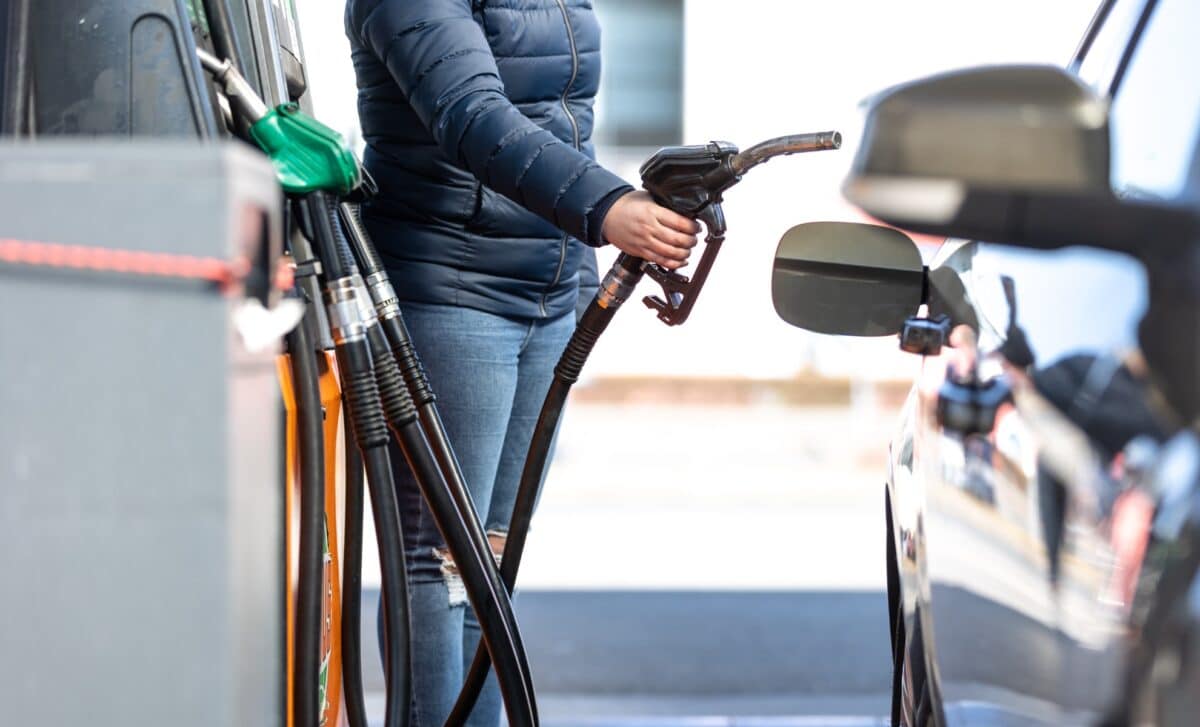
Historically, there is a lag of about seven to ten days between shifts in global oil prices and changes at the pump. This delay is tied to supply chains, existing inventories and wholesale pricing mechanisms. Fuel already stored or in transit was purchased at higher prices, and that cost needs to move through the system.
Industry voices suggest that adjustments could happen faster this time, given how quickly prices climbed during the recent escalation. Still, there’s a bit of uncertainty here. Markets move fast, retail systems… not always.
So while the downward trend has begun, drivers may need a little patience before noticing a real difference.
Mixed Trends Across Petrol and Diesel
Recent figures paint a somewhat uneven picture. The average price of unleaded petrol in Australia has edged down, falling by 13.3 cents per litre to around 240.1 cents.
At the same time, diesel prices have increased, rising by 2.7 cents per litre to approximately 312.7 cents. This divergence can seem counterintuitive, but it reflects different supply dynamics and demand pressures between fuel types.
There’s also the factor of the fuel excise reduction, which theoretically lowers costs by around 32 cents per litre. In practice, the extent to which this reduction reaches consumers depends on how retailers adjust their pricing. And that… can vary.
Supply Disruptions Still Affecting Local Availability
Even as global conditions improve, local supply remains uneven. Recent data shows that over 100 service stations across Australia have run out of at least one type of fuel, with dozens completely without stock.
These shortages highlight a reality that’s easy to overlook: global price movements and local availability do not always align neatly. Logistics, storage and distribution all play a part, sometimes creating short-term mismatches.
It’s a reminder that the system is layered. Oil might be cheaper on paper, but getting refined fuel to the right place, at the right time, is another matter entirely.
A Temporary Window with Uncertain Outcomes
The reopening of the Strait of Hormuz is expected to last two weeks, which raises an obvious question — what happens after that?
If the ceasefire holds, markets may stabilise further, allowing prices to settle at lower levels. If tensions return, volatility could follow just as quickly. There’s a slightly fragile feel to the situation, like a pause rather than a resolution.
For Australian consumers, this means cautious optimism. Relief may be on the way, but it depends on factors far beyond local control. And as recent weeks have shown, those factors can shift rather quickly.