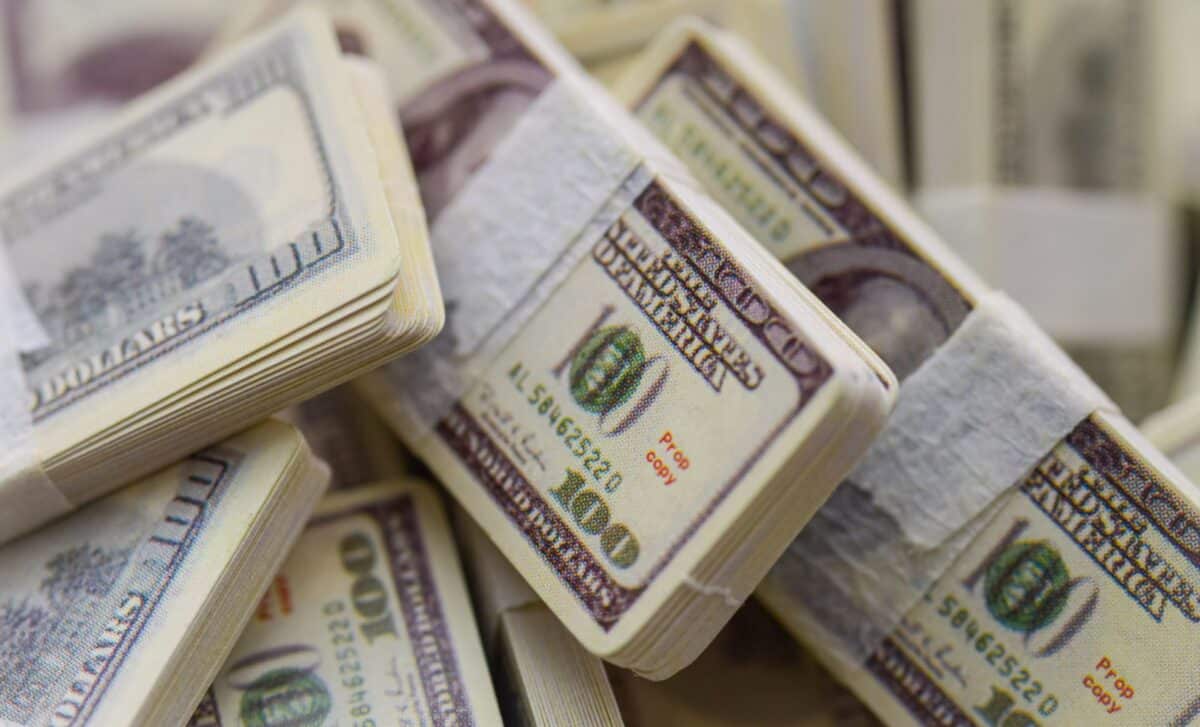
A new proposal in the U.S. House of Representatives would provide direct payments exceeding $1,500 to some Americans, as lawmakers revisit the economic impact of tariffs. The measure is framed as a response to rising consumer costs that supporters say have been passed on to households.
The legislation, introduced by Representative Henry Cuellar of Texas, comes at a time of continued scrutiny over trade policy and its effects on everyday expenses. It also follows a recent Supreme Court decision that invalidated several tariffs, raising broader questions about how those costs should be addressed.
Direct Payments Tied to Tariff-Related Price Increases
The bill, titled the American Consumer Tariff Rebate Act of 2026, proposes one-time payments to eligible taxpayers using existing tax return data. According to information released alongside the proposal, the payments are intended to offset higher prices linked to tariffs imposed without congressional approval.
Under the plan, income thresholds would determine eligibility. Households with adjusted gross income above $400,000 would not qualify, while additional support would be directed toward families, including a $125 payment per eligible child. According to Cuellar’s office, estimated payments based on IRS data would average about $1,020 for single filers, roughly $1,530 for heads of household, and approximately $2,040 for married couples filing jointly.
The structure of the program avoids the need for a new application process, relying instead on recent tax filings to distribute funds. According to statements from the lawmaker, this approach is designed to ensure the payments are delivered efficiently and securely.
Cuellar has argued that tariffs function as a “hidden tax,” with increased import costs passed along to consumers. In a statement accompanying the bill, he said that higher prices have affected goods such as groceries, fuel, vehicles, and building materials, placing additional strain on household budgets.
Legal and Political Context Shapes the Proposal
The push for direct payments follows a Supreme Court ruling earlier in 2026 that struck down several tariffs, finding that the administration had exceeded its authority under the International Emergency Economic Powers Act. According to reporting by Newsweek, those tariffs had already generated more than $133 billion in revenue before being invalidated.
That decision has triggered a wave of legal challenges. More than 2,000 businesses have filed claims seeking refunds, while attorneys general from multiple states are contesting a new round of tariffs introduced after the ruling. According to the same source, these cases argue that the costs were unlawfully imposed and ultimately borne by consumers through higher prices.
Supporters of the rebate proposal present it as a direct way to return funds to households while legal disputes continue. The measure also reflects broader disagreements in Congress over how tariffs affect the economy and whether they deliver measurable benefits to consumers.
Before any payments could be issued, the legislation must move through the House Ways and Means Committee, pass both chambers of Congress, and be signed into law. Its prospects remain uncertain, though it has entered a policy debate that is likely to continue as trade and cost-of-living concerns remain closely linked.