
Air travel is entering a more expensive period as airlines face rising operating costs and changing market conditions. For many passengers, finding affordable tickets is becoming more difficult as carriers review their networks and adjust their offers. The latest decisions from major US airlines could reshape the options available to budget travelers.
Major Airlines Prepare to Reduce Less Profitable Flights
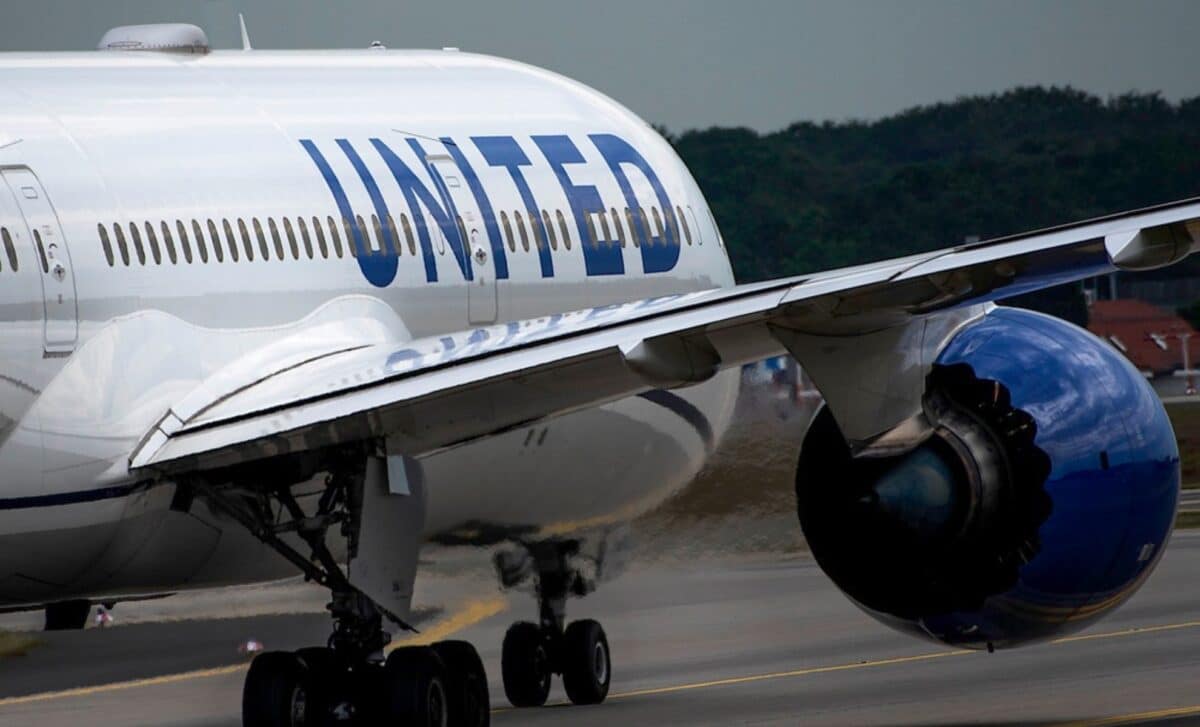
United Airlines, American Airlines and Southwest Airlines have announced that they expect to reduce some flights during the final months of the year. Executives from the three companies discussed the changes during an investors conference, explaining that higher fuel prices are forcing airlines to review their available capacity.
Southwest chief financial officer Tom Doxey said that if fuel prices remain high for an extended period, reducing some flights would be a natural reaction for airlines. The companies had already reduced parts of their summer schedules and introduced higher fees, including changes affecting baggage costs.
United chief financial officer Michael Leskinen said the industry has not seen clear evidence that customer demand is weakening, despite higher fares and additional charges. According to the Consumer Price Index, airline ticket prices during June, July and August were around 25% higher than a year earlier.
Budget Travelers Could Face Fewer Low-Cost Options
The airlines have not revealed which exact routes will be removed. Industry experts believe the flights most likely to disappear are those with lower profitability. These services are generally less popular routes or flights scheduled at less convenient times, such as very early mornings, late nights, Tuesdays or Saturdays.
Airline analyst Zach Griff, author of the newsletter From The Tray Table, said these flights are often preferred by travelers looking for cheaper fares rather than business passengers. When fuel prices rise, routes that were only marginally profitable can become less attractive for airlines. As a result, budget-conscious passengers may find fewer affordable choices in certain markets.
The Low-Cost Airline Sector Faces Additional Pressure
The reduction of cheaper flights comes at a difficult time for budget airlines. Spirit Airlines stopped operating in May after facing financial problems during a period of rising fuel expenses. At the same time, other low-cost carriers such as Frontier Airlines are shifting toward more premium services.
This changing landscape is reducing the number of low-cost alternatives available to passengers. For travelers who rely on discounted fares, the combination of higher ticket prices and fewer budget options is creating a more difficult environment.
Fuel Prices Remain a Major Concern for Airlines
Fuel has become one of the largest expenses for airlines, with energy markets affected by international tensions and supply uncertainty. The four largest US airlines — United, Delta, American and Southwest — paid nearly 80% more for fuel between April and June compared with the same period a year earlier.
The average price of jet fuel reached $4.56 per gallon, according to Argus Research. This was the highest level since early May, although still below the peak recorded in April. Fuel prices are not the only factor determining ticket costs. Airlines also consider passenger demand, competition and the number of available seats when setting fares.
Travelers May See a Different Flight Market Ahead
The airline industry is continuing to balance strong passenger demand with rising operating expenses. While carriers are not reporting a major decline in bookings, the reduction of some lower-cost flights could change the choices available to travelers.
For passengers searching for cheaper tickets, planning ahead and comparing different routes may become increasingly important as airlines adjust their schedules to match new economic conditions.