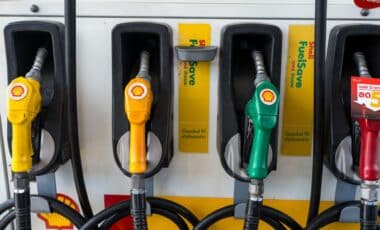

The increase comes at the end of the summer driving season, a period when gasoline prices usually begin to decline as demand falls. This year, concerns about global oil supplies linked to the conflict involving Iran have kept crude oil prices elevated and affected fuel costs across the United States.
Oil Supply Concerns Keep Gasoline Prices Above Seasonal Expectations
The national average for regular gasoline reached $4.14 per gallon heading into Labor Day, nearly 95 cents higher than the same period a year earlier, according to AAA. The figure surpassed the previous Labor Day record of $3.82 per gallon set in 2012 and represented the first time the national average moved above $4 per gallon during the holiday weekend.
The rise followed attacks against Iran in February, which affected concerns surrounding oil transportation routes. According to The Associated Press, crude oil traffic through the Strait of Hormuz has declined, while Iran has refused to reopen the waterway.
The Strait of Hormuz, located between Iran and Oman, is a major maritime route for global energy supplies. The uncertainty surrounding shipments through the passage has kept crude oil prices near $90 a barrel, limiting the usual seasonal decline in gasoline prices after the summer travel period.
Gasoline prices differ widely across the country. California recorded the highest average price at $5.78 per gallon, followed by Washington at $5.47 and Hawaii at $5.41. At the other end of the range, Indiana had the lowest average price at $3.44 per gallon, according to the reported state-by-state figures.

Refinery Conditions and Fuel Demand Add Pressure on Prices
The gasoline market is also being affected by refinery conditions and changes in global fuel supplies. Refineries in the United States are operating at about 98% capacity, with some facilities facing challenges linked to high temperatures in Texas.
According to energy finance professor Tom Seng of Texas Christian University, future gasoline prices remain difficult to predict because several factors are influencing supply and demand. He said refinery disruptions or severe weather events such as hurricanes could affect prices.
Diesel prices have also reached record levels. The national average for diesel reached $5.85 per gallon on Friday, according to The Associated Press. Higher diesel costs affect freight transportation because trucks and delivery systems rely heavily on the fuel, adding pressure to transportation expenses.
Energy Secretary Chris Wright said the administration was taking steps to increase production and pointed to market expectations of lower prices in the coming months. He noted that futures prices indicated gasoline purchased for November delivery was about 35 cents cheaper than current prices.
For drivers, price differences between stations can still make a difference. According to Matthew Metzgar, a clinical professor of economics at UNC Charlotte, fuel prices near interstate highways can be 10 to 15 cents higher per gallon than stations located a short distance away.