
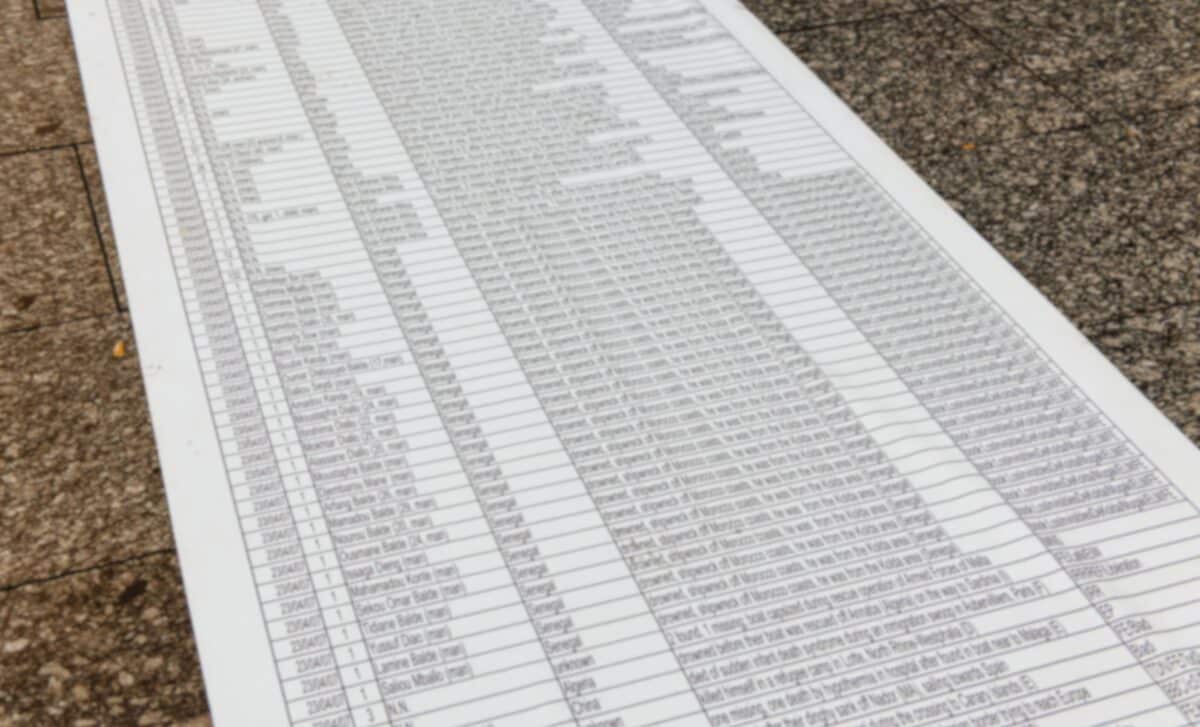
A newly released list of New York City properties that could be subject to a proposed surcharge on non-primary residences has intensified the political battle over the future of luxury real estate in the city. The publication of the records has drawn immediate criticism from elected officials, property owners, and industry representatives, many of whom argue that the list includes properties that may never qualify for the tax. While supporters describe the proposal as a way to generate additional funding for public services, opponents warn it could discourage investment, depress high-end property values, and create widespread confusion among homeowners.
Thousands of Properties Identified Ahead of Proposed Tax
The controversy began after New York City officials released a property roll identifying residences that may fall under a proposed surcharge targeting non-primary homes. The initiative is tied to Mayor Zohran Mamdani‘s broader effort to increase revenue from high-value residential properties that are not used as primary residences.
According to the New York Post, the published records include thousands of condominiums, cooperatives, and other residential properties across the city’s five boroughs. The release immediately attracted attention because inclusion on the list does not necessarily mean a property will ultimately be taxed. City officials emphasized that the document serves as a starting point for further review rather than a final determination. Many listed owners are expected to challenge their classification, arguing that their homes qualify as primary residences or otherwise fall outside the scope of the proposal. The publication has also fueled broader concerns about privacy and the practical challenges of accurately distinguishing between primary and secondary residences in a city with a highly complex housing market.
Today on NY POSTcast: Mamdani publishes names and addresses of all NYC property owners who could be hit with new pied-à-terre tax. Subscribe here: https://t.co/jOPbpVvT1g pic.twitter.com/ksKaVYEDfL
— New York Post (@nypost) July 28, 2026
City Officials Say the List Is Only the Beginning
The New York City Department of Finance maintains that the publication follows existing legal requirements and does not automatically impose any new tax liability. Officials stress that additional verification will occur before any surcharge could be applied.
“As per State law, a property roll was released for public inspection,” said a DOF spokesperson. “From this list, DOF will identify properties that may be subject to the new non-primary residence property surcharge.”
Mayor Zohran Mamdani has defended the proposal as part of a broader effort to strengthen public services while asking wealthier property owners to contribute more toward city finances.
“The best city in the world deserves the best parks, libraries, and schools in the world. That’s only possible when we all pay our fair share,” Mamdani wrote Thursday.
Supporters argue that the measure is designed to capture revenue from luxury residences that remain vacant for much of the year while generating funding for infrastructure and community investments. They contend that the proposal reflects growing concerns over housing affordability and the concentration of expensive properties that serve primarily as investment assets rather than full-time homes. City officials also note that any implementation would depend on compliance with state law and a formal review process before individual assessments become final.
Critics Warn of Errors and Economic Consequences
Republican lawmakers and real estate advocates have sharply criticized both the proposal and the publication of the preliminary property list. Among the most vocal opponents is Council Minority Leader David Carr, whose own residence reportedly appears among the listed properties despite serving as his home.
“It’s a reckless and foolish move, especially considering there are potentially thousands of properties on this list that do not qualify as second homes or whose owners will successfully dispute their inclusion,” Council Minority Leader David Carr (R-Staten Island) — whose own home appears on the list — told The Post Monday.
Carr argues that publishing such a broad list risks creating confusion for homeowners while undermining confidence in the city’s property tax system. Critics also question whether the administrative burden of reviewing thousands of disputed classifications could delay implementation and increase legal challenges. Real estate professionals warn that uncertainty surrounding future tax obligations may discourage prospective buyers, particularly in the luxury segment, where many transactions already face higher borrowing costs and a more cautious investment environment.
Luxury Real Estate Market Faces Growing Uncertainty
The debate now extends well beyond tax policy, touching on the future competitiveness of New York City‘s luxury housing market. Industry analysts have warned that additional taxes targeting high-value residential properties could encourage affluent buyers to invest elsewhere, particularly in states with lower tax burdens.
Carr delivered one of the strongest criticisms of the proposal, arguing that the economic consequences could reach far beyond the city’s wealthiest homeowners.
“All the mayor is doing is tanking the luxury home market in NYC and sending millions of dollars in real estate business to other states. But the upside is Mamdani is a shoo-in for ‘Realtor of the Year’ in Texas and Florida,” Carr railed.
Whether the proposal ultimately advances will depend on legal reviews, political negotiations, and the outcome of expected disputes from property owners seeking removal from the published list. For now, the release has transformed what was initially presented as a revenue proposal into one of the city’s most closely watched political and economic debates, with potential implications for homeowners, investors, municipal finances, and the broader housing market.