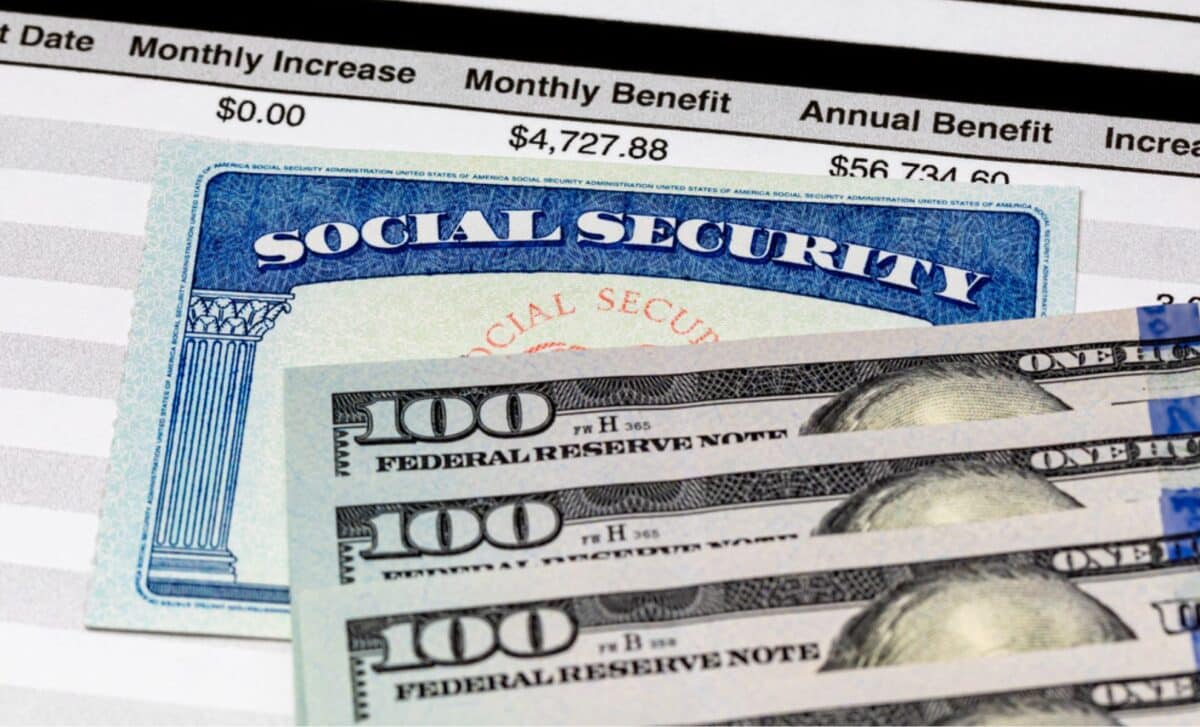
A new forecast suggests that millions of Social Security recipients may see a modest cost-of-living adjustment in 2027 as analysts continue tracking inflation trends that influence annual benefit changes. The projection arrives as lawmakers and advocacy groups debate how to protect the long-term future of the retirement program while maintaining support for current beneficiaries.
The annual Social Security cost-of-living adjustment (COLA) is calculated using inflation data gathered during a specific period each year. Although the final 2027 increase will not be determined until official government data is released, early estimates provide retirees with an indication of what their future monthly payments could look like.
Early 2027 COLA Forecast Reflects Inflation Trends
According to projections discussed by retirement analysts, the expected 2027 Social Security COLA could remain relatively limited if inflation continues to slow. As highlighted by The Hill, the adjustment is designed to help beneficiaries maintain purchasing power as prices for housing, food, healthcare, and other expenses change.
The estimate is based on economic indicators that influence the annual formula used by the Social Security Administration. Since the COLA calculation depends on inflation measurements collected later in the year, current projections can change before the official announcement.
The discussion around the 2027 increase comes at a time when many retirees continue to face higher household costs. Even smaller adjustments can have a meaningful effect for people who rely heavily on monthly Social Security payments.
© Shutterstock
Social Security Reform Debate Continues As Financial Pressure Grows
The conversation about future benefits extends beyond annual COLA changes. Social Security’s financial outlook has pushed lawmakers, researchers, and advocacy organizations to consider possible reforms that could affect future generations of retirees.
The The Senior Citizens League (TSCL) has argued that Congress has an opportunity to address funding concerns while improving protections for older Americans. The group has promoted proposals aimed at strengthening benefits and extending the program’s ability to serve future retirees.
“The bill is the gold standard for Social Security reform and accomplishes the majority of changes older Americans want to see for the program,” TSCL Executive Director Shannon Benton said in a press release, noting that while the bill is unlikely to pass, “it should.”
Benton also highlighted the need for legislative action as Social Security faces long-term financial challenges. “Right now, we have a golden opportunity to act,” Benton said. “Congress will almost certainly have to pass a bill to address the program’s finances in the next few years, which provides a perfect chance to simultaneously shore up benefits for the next 100 years and continue the program’s legacy.”
The debate reflects a broader question facing policymakers: how to preserve retirement security while adapting the program to changing economic conditions and demographic trends.
Retirees Watch Inflation Data Ahead Of Official Announcement
For beneficiaries, the final 2027 COLA announcement will depend on inflation figures released closer to the end of the measurement period. The official adjustment is based on changes in the Consumer Price Index for Urban Wage Earners and Clerical Workers, known as CPI-W.
Social Security recipients often pay close attention to inflation reports because the annual increase directly affects their monthly income. A higher COLA can provide additional support during periods of rising prices, while a smaller adjustment may create concerns for households managing fixed budgets.
Healthcare costs, housing expenses, and everyday goods remain among the main areas watched by retirees when evaluating whether benefit increases keep pace with real-world expenses. Inflation trends over the coming months will determine whether early forecasts remain accurate.
Financial experts generally advise beneficiaries to view preliminary COLA estimates as indicators rather than final numbers. Economic conditions can shift significantly before the government releases the official adjustment.