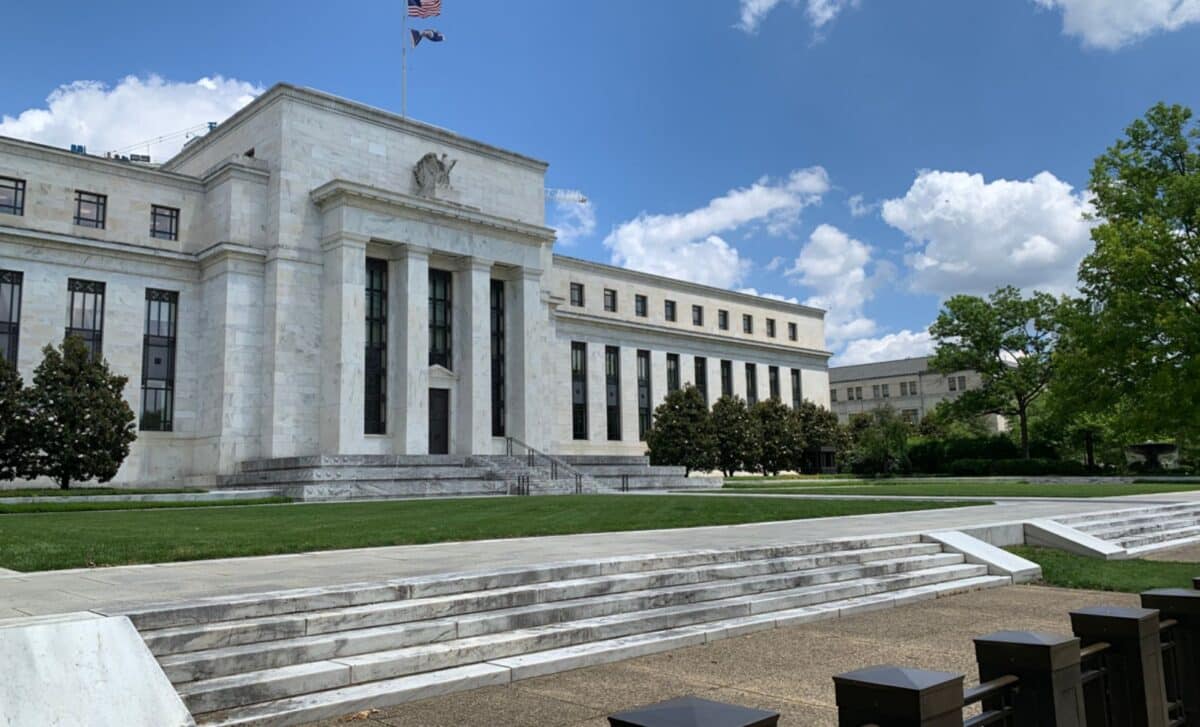
Economic data released over the past week painted a mixed picture of the United States economy. Federal Reserve officials remained divided over the path of inflation, while the housing market continued to face affordability pressures as home prices reached another record.
Fresh reports also highlighted slower hiring, modestly lower unemployment claims, and concerns about global growth linked to higher energy costs. According to the Associated Press, these developments come as households and businesses continue to contend with elevated prices for everyday goods and services.
Federal Reserve Remains Divided as Inflation Outlook Stays Uncertain
Minutes from the Federal Reserve’s latest policy meeting showed that officials do not share a common view on how inflation will evolve during the remainder of the year. According to the Associated Press, the debate centers on whether inflation will remain elevated or ease as the effects of the Iran war diminish.
The first meeting held under Federal Reserve Chair Kevin Warsh revealed differing expectations among policymakers. Minutes indicated that many of the Fed’s 19 officials believed the benchmark interest rate would either remain unchanged or finish the year slightly below its current level of 3.6%. At the same time, officials also acknowledged the possibility that rates could end the year at a higher level.
Forecasts released after the meeting that concluded on June 17 reflected the same divide. Half of the 18 policymakers who submitted projections supported raising interest rates before the end of the year, while the other half favored keeping rates unchanged or lowering them. Warsh did not submit an individual forecast, reflecting his view that publishing one could make it more difficult for policymakers to adjust if economic conditions change.
The broader economic backdrop also remained under scrutiny. According to the International Monetary Fund, global economic growth is now expected to reach 3% in 2026, down from 3.5% in 2025, with the downgrade linked to the energy shock caused by the Iran war. The IMF said stronger investment in artificial intelligence and other technologies has partially offset those pressures. The organization maintained its forecast for US economic growth at 2.3% this year.
Housing Affordability Remains under Pressure as Prices Set a New Record
The US housing market continued to show signs of slowing activity even as prices climbed further. According to the National Association of Realtors, existing home sales declined 2.4% in June from the previous month to a seasonally adjusted annual rate of 4.09 million units. Compared with June last year, sales increased by 2.8%.
The June sales pace fell below economists’ expectations of approximately 4.21 million units, according to FactSet. Even with slower transactions, home values continued their upward trend across the country.
The National Association of Realtors reported that the national median existing-home sales price reached $440,600 in June, marking the highest level recorded since the organization began tracking the data in 1999. The median price was 1.8% higher than a year earlier and extended the annual increase in home prices to 36 consecutive months.
Other economic indicators released during the week presented a mixed picture of the labor market. According to the US Labor Department, initial applications for unemployment benefits declined by 2,000 to 215,000 for the week ending July 4, remaining near historically low levels. At the same time, the government’s June employment report showed employers added 57,000 jobs during the month, less than half the total recorded in the previous month, reflecting continued caution in hiring.